









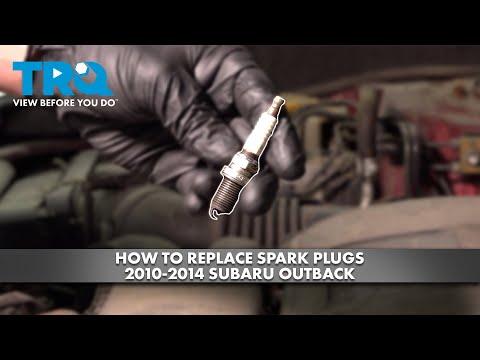




How to Replace Spark Plugs on a 2001-2019 Subaru Outback 2.5L Flat-4
Step-by-step DIY guide with tools, parts, plug gap, torque specs, and safety tips for 2001, 2002, 2003, 2005, 2006, 2007, 2008, 2009, 2010, 2011, 2012, 2013, 2014, 2015, 2016, 2017, 2018, 2019
How to Replace Spark Plugs on a 2001-2019 Subaru Outback 2.5L Flat-4
Step-by-step DIY guide with tools, parts, plug gap, torque specs, and safety tips for 2001, 2002, 2003, 2005, 2006, 2007, 2008, 2009, 2010, 2011, 2012, 2013, 2014, 2015, 2016, 2017, 2018, 2019


🔧 Outback - Spark Plug Replacement
Changing the spark plugs on your Outback restores proper ignition, smoother running, easier starts, and better fuel economy. The flat-4 engine places the spark plugs low on both sides of the engine, so access is tight but manageable with the right extensions and patience.
Difficulty Level: Intermediate | Estimated Time: 2-3 hours
⚠️ Safety & Precautions
- ⚠️ Let the engine cool completely before starting; spark plugs thread into aluminum cylinder heads and hot threads can strip.
- ⚠️ Disconnect the negative battery cable before working near ignition coils.
- ⚠️ Replace one spark plug at a time so coil locations do not get mixed up.
- ⚠️ Do not force the new spark plugs; cross-threading can damage the cylinder head.
- ⚠️ Use only a torque wrench for final tightening; over-tightening can crack the plug or damage the head.
🔧 Required Tools
You'll need the following tools for this repair:
- 10mm socket
- 12mm socket
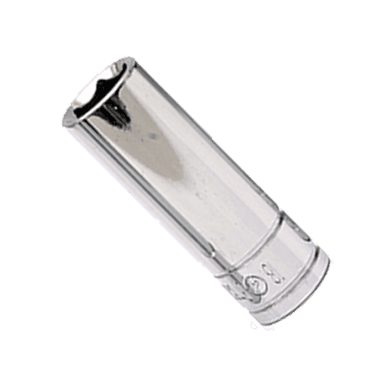
- 14mm thin-wall spark plug socket
- 3/8-inch drive ratchet
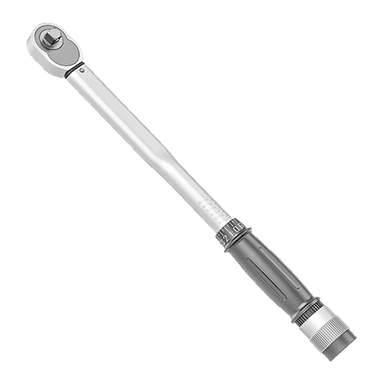
- 3/8-inch drive torque wrench
- 3-inch extension
- 6-inch extension
- 3/8-inch universal joint adapter
- Flathead screwdriver
- Needle-nose pliers
- Compressed air blow gun
- Spark plug gap gauge
- Magnetic pickup tool
- Fender cover
- Nitrile gloves
- Safety glasses
🔩 Required Parts
HowToo sells all the parts you need for this repair:
- Iridium spark plugs - Qty: 4
- Dielectric grease - Qty: 1 small tube
📋 Before You Begin
- Park your Outback on level ground, set the parking brake, and let the engine cool fully.
- Open the hood and install a fender cover to protect the paint.
- Disconnect the negative battery cable using a 10mm socket.
- A universal joint adapter lets the socket bend slightly in tight spaces.
- A thin-wall spark plug socket is narrower than a normal socket so it fits inside the spark plug tube.
- Check the new spark plugs with a spark plug gap gauge; gap should be about 0.044 in if not already pre-set.
- Do not apply anti-seize unless the spark plug manufacturer specifically requires it; most iridium plugs are plated and installed dry.
🔨 Step-by-Step Instructions
Follow these steps in order:
Step 1: Disconnect the Battery
- Use a 10mm socket to loosen the negative battery terminal clamp.
- Move the negative cable aside so it cannot touch the battery post.
- Start with a cool engine.
Step 2: Remove the Battery for Left-Side Access
- Use a 10mm socket to remove the battery hold-down nuts.
- Lift off the battery hold-down bracket.
- Carefully lift the battery out of the engine bay.
- Set the battery upright in a safe spot.
- Use a 10mm socket to remove the battery tray fasteners if extra hand room is needed.
Step 3: Remove the Air Intake Parts for Right-Side Access
- Use a flathead screwdriver to loosen the intake hose clamp at the air filter box.
- Use a flathead screwdriver to loosen the intake hose clamp at the throttle body.
- Use needle-nose pliers to release small hose clamps if any breather hoses are attached.
- Use a 10mm socket to remove the air intake duct or air box fasteners as needed.
- Move the intake parts out of the way to reach the ignition coils on the passenger side.
Step 4: Locate the Ignition Coils
- Find the four ignition coils, two on each side of the engine.
- Each ignition coil sits directly over one spark plug.
- An ignition coil is the small electrical part that sends high voltage to the spark plug.
- Work on only one coil and one spark plug at a time.
Step 5: Remove One Ignition Coil
- Press the electrical connector tab with your finger or a flathead screwdriver.
- Pull the connector straight off the ignition coil.
- Use a 10mm socket to remove the ignition coil retaining bolt.
- Twist the ignition coil gently by hand, then pull it straight out.
- Twist first, then pull.
Step 6: Clean Around the Spark Plug Hole
- Put on safety glasses.
- Use a compressed air blow gun to blow dirt away from the spark plug tube.
- Do not skip this step; dirt can fall into the cylinder when the plug is removed.
Step 7: Remove the Old Spark Plug
- Assemble a 14mm thin-wall spark plug socket, 3-inch extension, 3/8-inch universal joint adapter, and 3/8-inch drive ratchet.
- Place the socket fully onto the spark plug.
- Turn counterclockwise slowly with the 3/8-inch drive ratchet.
- Once loose, spin the spark plug out by hand using the extension.
- Lift the plug out with the 14mm thin-wall spark plug socket or a magnetic pickup tool.
Step 8: Inspect and Prepare the New Spark Plug
- Compare the old plug and new plug to confirm the thread length and tip shape match.
- Use a spark plug gap gauge to verify the new plug gap is about 0.044 in.
- Do not pry hard on iridium plug tips; the center electrode is delicate.
- Do not coat the threads unless the plug maker specifically says to use anti-seize.
Step 9: Install the New Spark Plug by Hand
- Place the new spark plug into the 14mm thin-wall spark plug socket.
- Attach only the 6-inch extension, with no ratchet at first.
- Turn the extension clockwise by hand until the spark plug threads smoothly into the cylinder head.
- If it feels tight right away, stop, remove it, and start again.
- Hand-starting prevents thread damage.
Step 10: Torque the New Spark Plug
- Attach the 3/8-inch drive torque wrench to the extension and spark plug socket.
- Tighten the spark plug to Torque to 18 Nm (13 ft-lbs).
- Do not add extra tightening after the torque wrench clicks.
Step 11: Reinstall the Ignition Coil
- Apply a small dab of dielectric grease inside the rubber boot end of the ignition coil.
- Push the ignition coil straight onto the new spark plug until fully seated.
- Install the ignition coil bolt with a 10mm socket.
- Tighten the ignition coil bolt to Torque to 8 Nm (71 in-lbs).
- Reconnect the electrical connector until it clicks.
Step 12: Repeat for the Other Three Spark Plugs
- Repeat Steps 5 through 11 for each remaining spark plug.
- Use the 14mm thin-wall spark plug socket, 3-inch extension, 6-inch extension, and 3/8-inch universal joint adapter as needed for each side.
- Keep your movements slow in the tight spaces near the frame rails.
Step 13: Reinstall the Air Intake Parts
- Reinstall the air box or intake duct using a 10mm socket.
- Reconnect any breather hoses using needle-nose pliers if clamps were removed.
- Tighten the intake hose clamps with a flathead screwdriver.
- Make sure the intake hose is fully seated so unmetered air cannot enter the engine.
Step 14: Reinstall the Battery
- Reinstall the battery tray using a 10mm socket if it was removed.
- Place the battery back into position.
- Install the battery hold-down bracket using a 10mm socket.
- Reconnect the negative battery cable using a 10mm socket.
- Tighten the terminal snugly, but do not over-tighten it.
✅ After Repair
- Start your Outback and let it idle for a few minutes.
- Listen for a smooth idle with no misfire or popping sounds.
- Check that every ignition coil connector is fully clicked in place.
- Check that the intake hose clamps are tight and the air box is sealed.
- Take a short test drive and confirm smooth acceleration.
- If the battery was disconnected, reset the clock and radio presets if needed.
- If a check engine light appears, scan for codes before driving further.
💰 DIY vs Shop Cost
Shop Cost: $250-$450 (parts + labor)
DIY Cost: $45-$100 (parts only)
You Save: $150-$350 by doing it yourself!
Shop labor rates vary but typically run $100-$150/hour. This repair takes a shop approximately 1.5-2.5 hours.
🎯 Ready to get started?
HowToo makes it easy: same-day/2-day shipping on every part, plus all the tools and specialty tools you need! Check out the parts and tools sections below to add everything to your cart.