









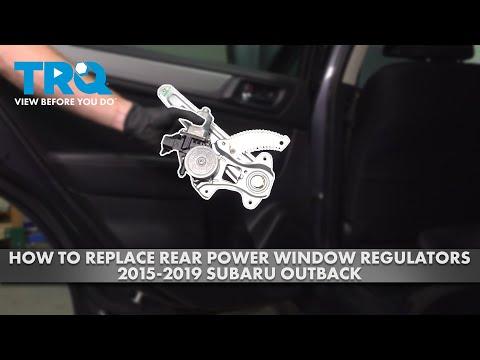





How to Replace Rear Window Regulators on a 2019 Subaru Outback
Step-by-step rear door regulator repair with tools, parts, torque specs, and safety tips for 2015, 2016, 2017, 2018, 2019
How to Replace Rear Window Regulators on a 2019 Subaru Outback
Step-by-step rear door regulator repair with tools, parts, torque specs, and safety tips for 2015, 2016, 2017, 2018, 2019


🔧 Rear Window Regulators - Replacement
This repair replaces the rear door window regulator assemblies in your Outback. The regulator is the mechanism inside the door that raises and lowers the glass; when it fails, the rear window may drop, move crooked, grind, or stop working.
Difficulty Level: Intermediate | Estimated Time: 2-3 hours for both rear doors
⚠️ Safety & Precautions
- ⚠️ Disconnect the negative battery cable before unplugging rear door electrical connectors.
- ⚠️ Support the glass with painter’s tape before loosening the regulator. The glass can drop suddenly.
- ⚠️ Wear cut-resistant gloves because the inside edges of the rear door shell can be sharp.
- ⚠️ Keep the ignition OFF while your hands are inside the door.
- ⚠️ Do not pull hard on the trim panel. Hidden clips and cable connections can break.
🔧 Required Tools
You'll need the following tools for this repair:
- 10mm socket
- Ratchet with 3/8-inch drive
- 6-inch socket extension with 3/8-inch drive
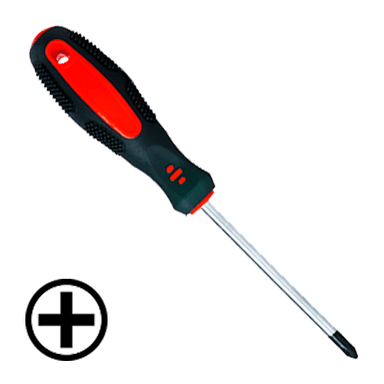
- Phillips #2 screwdriver
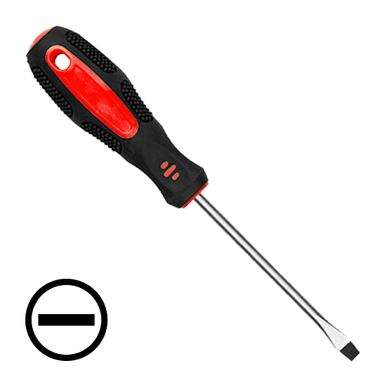
- Small flat-blade screwdriver
- Plastic trim removal tool set
- Panel clip removal pliers
- Needle-nose pliers
- Torque wrench inch-pound range
- Painter’s tape 1-inch wide
- Work light
- Cut-resistant gloves
- Safety glasses
🔩 Required Parts
HowToo sells all the parts you need for this repair:
- Rear left window regulator assembly - Qty: 1
- Rear right window regulator assembly - Qty: 1
- Rear door trim panel clips - Qty: 6-10
- Butyl sealant strip - Qty: 1 roll
📋 Before You Begin
- Park your Outback on level ground and set the parking brake.
- Turn the ignition ON and lower the rear window until the glass-to-regulator bolts are visible through the access holes. If the window will not move, continue carefully and support the glass where it is.
- Turn the ignition OFF after positioning the glass.
- Disconnect the negative battery cable using a 10mm socket.
- Wait 60 seconds before unplugging door connectors.
- The moisture barrier is the plastic sheet behind the trim panel. It keeps water out of the cabin, so reuse or reseal it carefully.
🔨 Step-by-Step Instructions
Follow these steps in order:
Step 1: Remove the Rear Door Switch Panel
- Use a plastic trim removal tool to gently lift the rear power window switch panel from the armrest.
- Pull the switch panel upward by hand once the clips release.
- Use a small flat-blade screwdriver to press the connector lock tab, then unplug the switch connector.
- Tip: Pry slowly to save clips.
Step 2: Remove Rear Door Trim Screws
- Use a small flat-blade screwdriver to open the small screw cover behind the inside door handle.
- Use a Phillips #2 screwdriver to remove the screw behind the inside door handle.
- Use a Phillips #2 screwdriver to remove the screw in the pull handle area.
- Set the screws aside in order.
Step 3: Remove the Rear Door Trim Panel
- Use a plastic trim removal tool at the lower edge of the trim panel to start releasing the clips.
- Use panel clip removal pliers to release the remaining clips around the sides and bottom.
- Lift the panel straight upward by hand to unhook it from the window ledge.
- Use needle-nose pliers to release the inside handle cable ends if they do not come off by hand.
- Use a small flat-blade screwdriver to unlock and unplug any remaining electrical connectors.
Step 4: Peel Back the Moisture Barrier
- Use gloved hands to slowly peel the plastic moisture barrier away from the rear door.
- Use a plastic trim removal tool to help separate the sticky butyl sealant without tearing the plastic.
- Fold the barrier upward and secure it with painter’s tape.
- Do not leave gaps during reassembly, or water may leak into the cabin.
Step 5: Support the Rear Door Glass
- Use painter’s tape 1-inch wide to tape the glass to the upper door frame.
- Apply at least 3 long strips from the outside glass, over the top of the door frame, and onto the inside glass.
- If the glass is loose, lift it fully closed by hand before taping it.
- Tip: Extra tape prevents surprises.
Step 6: Disconnect the Rear Window Motor
- Use a work light to find the window motor connector inside the rear door.
- Use a small flat-blade screwdriver to press the connector lock tab.
- Pull the connector straight off by hand. Do not pull on the wiring.
Step 7: Separate the Glass from the Regulator
- Use a 10mm socket, 6-inch socket extension, and ratchet to loosen the glass mounting bolts through the access holes.
- Do not fully remove the bolts unless the new regulator requires it.
- Slide the glass fully upward by hand and re-secure it with painter’s tape.
- If the regulator is stuck and the bolts are not visible, use a 10mm socket to loosen the regulator mounting bolts, then carefully shift the regulator until the glass bolts can be reached.
Step 8: Remove the Old Rear Window Regulator
- Use a 10mm socket, 6-inch socket extension, and ratchet to remove the rear regulator rail mounting bolts.
- Use a 10mm socket and ratchet to remove the motor mounting bolts if the motor is separate from the regulator assembly.
- Hold the regulator with one hand while removing the final bolt.
- Fold the regulator slightly by hand and remove it through the largest door opening.
Step 9: Install the New Rear Window Regulator
- Guide the new regulator into the rear door opening by hand.
- Start every mounting bolt by hand before tightening. This prevents crossed threads.
- Use a 10mm socket, 6-inch socket extension, and ratchet to snug the regulator mounting bolts.
- Use a torque wrench inch-pound range with a 10mm socket to tighten the regulator mounting bolts to Torque to 8 Nm (71 in-lbs).
- Reconnect the rear window motor connector by hand until it clicks.
Step 10: Reattach the Rear Door Glass
- Carefully remove enough painter’s tape to lower the glass by hand onto the regulator clamps.
- Make sure the glass sits evenly in the front and rear run channels. The run channels are the felt-lined tracks the glass slides in.
- Use a 10mm socket and ratchet to snug the glass mounting bolts.
- Use a torque wrench inch-pound range with a 10mm socket to tighten the glass mounting bolts to Torque to 8 Nm (71 in-lbs).
Step 11: Test the Rear Window Before Reassembly
- Reconnect the negative battery cable using a 10mm socket.
- Temporarily plug in the rear window switch by hand.
- Turn the ignition ON.
- Use the rear door switch to move the glass down and up slowly.
- Use a work light to watch for tilting, binding, or cable noise.
- If the glass binds, loosen the glass bolts with a 10mm socket, center the glass by hand, and retighten to Torque to 8 Nm (71 in-lbs).
Step 12: Reinstall the Moisture Barrier
- Turn ignition OFF and disconnect the negative battery cable again using a 10mm socket.
- Press the moisture barrier back onto the original sealant by hand.
- If the sealant is weak, apply butyl sealant strip around the opening and press the barrier into place.
- Check that the wiring harness sits on the cabin side of the barrier where it belongs.
Step 13: Reinstall the Rear Door Trim Panel
- Reconnect the inside handle cable ends by hand or with needle-nose pliers.
- Reconnect all electrical connectors by hand until they click.
- Hang the upper edge of the trim panel onto the window ledge by hand.
- Line up the trim clips with the door holes.
- Press around the panel edges by hand until each clip snaps in.
- Use a Phillips #2 screwdriver to reinstall the handle screw and pull handle screw.
- Snap the screw cover closed by hand.
- Plug in the switch panel by hand and press it back into the armrest.
Step 14: Repeat on the Other Rear Door
- Use the same steps and tools for the opposite rear door.
- Keep the left and right regulators separate because they are side-specific.
- Replace broken trim clips before reinstalling the panel.
✅ After Repair
- Reconnect the negative battery cable using a 10mm socket.
- Turn ignition ON and test both rear windows from their own switches and from the driver master switch.
- Run each rear window fully down and fully up at least 3 times.
- Confirm the window lock switch on the driver door still disables the rear switches.
- Check each rear door for proper lock, unlock, and inside handle operation.
- Spray a light stream of water over the outside glass area and check inside for moisture leaks at the door panel.
💰 DIY vs Shop Cost
Shop Cost: $600-$950 for both rear regulators, including parts and labor
DIY Cost: $160-$380 for both rear regulators and small supplies
You Save: $440-$570 by doing it yourself!
Shop labor rates vary but typically run $100-$150/hour. This repair takes a shop approximately 2-3 hours.
🎯 Ready to get started?
HowToo makes it easy: same-day/2-day shipping on every part, plus all the tools and specialty tools you need! Check out the parts and tools sections below to add everything to your cart.