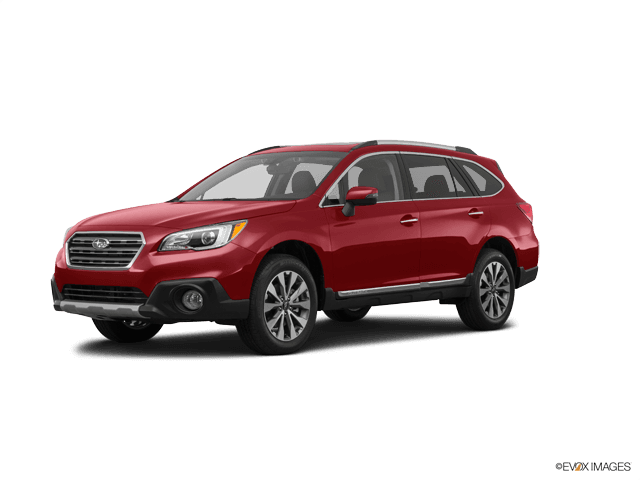









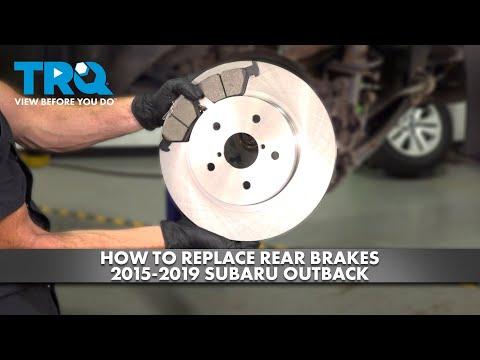






How to Replace Rear Brake Pads on a 2015-2025 Subaru Outback
Step-by-step guide with EPB service mode, tools, parts, torque specs, and safety tips for 2015, 2016, 2017, 2018, 2019, 2020, 2021, 2022, 2023, 2024, 2025
How to Replace Rear Brake Pads on a 2015-2025 Subaru Outback
Step-by-step guide with EPB service mode, tools, parts, torque specs, and safety tips for 2015, 2016, 2017, 2018, 2019, 2020, 2021, 2022, 2023, 2024, 2025


🔧 Outback - Rear Brake Pad Replacement
Replacing the rear brake pads on your Outback requires putting the electronic parking brake system into service mode before the calipers are removed. This prevents damage to the rear parking brake motors and makes room for the new, thicker pads.
Difficulty Level: Intermediate | Estimated Time: 1.5-2.5 hours
⚠️ Safety & Precautions
- ⚠️ Your Outback uses an electronic parking brake, also called EPB. The rear calipers must be retracted properly before pad replacement.
- ⚠️ Do not twist, force, or manually wind back the rear caliper pistons unless the EPB has been placed in maintenance mode. Damage to the EPB motor can occur.
- ⚠️ Work on a cool brake system. Brake parts can stay hot for a long time after driving.
- ⚠️ Support the vehicle with jack stands. Never rely on a floor jack alone.
- ⚠️ Wear safety glasses and gloves. Brake dust and cleaner can irritate skin and eyes.
- ⚠️ Do not press the brake pedal while a caliper is removed.
- ⚠️ Battery disconnect is not required for this job, but keep the ignition off after the EPB is placed in service mode.
🔧 Required Tools
You'll need the following tools for this repair:
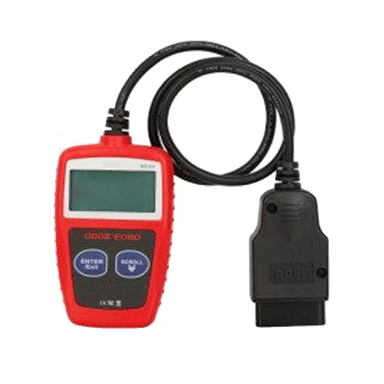
- OBD-II scan tool with electronic parking brake service mode (specialty)
- Floor jack (rated 2-ton minimum)
- Jack stands (rated 2-ton minimum)
- Wheel chocks
- 19mm lug nut socket
- Breaker bar 1/2-inch drive
- Torque wrench 1/2-inch drive
- 14mm socket
- 17mm wrench
- Ratchet 3/8-inch drive
- Brake caliper piston compression tool
- Flat-blade screwdriver
- Needle-nose pliers
- Brake parts cleaning brush
- Drain pan
- Safety glasses
- Nitrile gloves
🔩 Required Parts
HowToo sells all the parts you need for this repair:
- Rear brake pad set - Qty: 1
- Rear brake pad hardware kit - Qty: 1
- Brake caliper slide pin grease - Qty: 1
- Brake cleaner - Qty: 1-2 cans
- DOT 3 brake fluid - Qty: 1 small bottle
📋 Before You Begin
- 🚗 Park your Outback on level ground.
- 🧱 Place wheel chocks in front of the front tires.
- 🔓 Release the electronic parking brake before starting.
- 🧰 A scan tool is a small device that plugs into the OBD-II port under the dashboard and commands vehicle systems like the electronic parking brake.
- 🔧 Use the OBD-II scan tool to enter EPB maintenance or brake pad replacement mode before removing the rear calipers.
- 🛑 Do not use the parking brake switch during the repair.
- 💧 Open the brake fluid reservoir cap before compressing the caliper pistons, then place a clean rag around the reservoir to catch any overflow.
🔨 Step-by-Step Instructions
Follow these steps in order:
Step 1: Put the EPB in Service Mode
- Plug the OBD-II scan tool with electronic parking brake service mode into the diagnostic port under the driver side dashboard.
- Turn the ignition on without starting the engine.
- On the scan tool, select the brake or parking brake function, then choose rear brake pad replacement, EPB maintenance mode, or parking brake release mode.
- Wait until the scan tool confirms that the rear parking brake motors are fully retracted.
- Turn the ignition off after the scan tool confirms completion.
- Listen for both rear motors to finish.
Step 2: Loosen the Rear Lug Nuts
- Use the 19mm lug nut socket and breaker bar 1/2-inch drive to loosen each rear lug nut about one turn.
- Do not remove the lug nuts yet.
Step 3: Lift and Support the Rear of the Vehicle
- Use the floor jack rated 2-ton minimum to lift the rear of your Outback at the approved rear jacking point.
- Place the jack stands rated 2-ton minimum under the rear side support points.
- Lower the vehicle gently onto the jack stands.
- Give the vehicle a light push to make sure it is stable before working near the wheels.
Step 4: Remove the Rear Wheels
- Use the 19mm lug nut socket and ratchet 3/8-inch drive to remove the rear lug nuts.
- Remove both rear wheels and place them flat under the side of the vehicle as an extra safety backup.
Step 5: Remove the Rear Caliper Lower and Upper Bolts
- Use the 14mm socket and ratchet 3/8-inch drive to remove the rear caliper slide bolts.
- If the slide pin spins, hold it steady with the 17mm wrench while removing the bolt with the 14mm socket.
- Support the caliper with one hand as the last bolt comes out.
- Do not let the caliper hang by the brake hose.
Step 6: Lift Off the Rear Caliper
- Use your hands to slide the caliper off the brake pads and rotor.
- If it is stuck, gently use the flat-blade screwdriver to rock the caliper outward slightly.
- Set the caliper on top of the suspension arm where it will not pull on the brake hose.
- Gentle pressure only. Do not pry hard.
Step 7: Remove the Old Pads and Hardware
- Use your hands or the flat-blade screwdriver to remove the old inner and outer brake pads from the caliper bracket.
- Use the needle-nose pliers to remove the old stainless pad clips if they are tight.
- Place old parts in the drain pan to keep brake dust and residue contained.
Step 8: Clean the Caliper Bracket
- Spray the caliper bracket with brake cleaner.
- Use the brake parts cleaning brush to clean the pad contact areas where the clips sit.
- Wipe away loose dust and rust with a shop-safe wipe or rag.
- Do not breathe brake dust.
Step 9: Install the New Pad Hardware
- Snap the new rear brake pad hardware kit clips into the caliper bracket by hand.
- Make sure each clip sits flat and fully seated.
- Apply a very thin layer of brake caliper slide pin grease to the pad ears where they touch the clips.
- Do not get grease on the pad friction surface or rotor.
Step 10: Compress the Rear Caliper Piston
- Check that the EPB is still in service mode before compressing the piston.
- Use the brake caliper piston compression tool to slowly press the caliper piston straight back into the caliper bore.
- Watch the brake fluid reservoir while compressing the piston. Remove excess fluid only if it approaches the top.
- A caliper bore is the round opening the piston slides into.
- Go slowly to protect seals.
Step 11: Install the New Rear Brake Pads
- Slide the new rear brake pad set into the caliper bracket by hand.
- Make sure the friction material faces the rotor.
- The pads should move smoothly in the clips without binding.
Step 12: Reinstall the Rear Caliper
- Place the caliper over the new pads by hand.
- Use the 14mm socket and ratchet 3/8-inch drive to start both caliper slide bolts by hand first.
- Hold the slide pin with the 17mm wrench if it turns.
- Use the torque wrench 1/2-inch drive with the 14mm socket to tighten the caliper slide bolts to Torque to 27 Nm (20 ft-lbs).
Step 13: Repeat on the Other Rear Side
- Use the same 14mm socket, 17mm wrench, brake caliper piston compression tool, and brake parts cleaning brush to replace the pads on the opposite rear wheel.
- Always replace rear pads in pairs so braking stays even from side to side.
Step 14: Reinstall the Rear Wheels
- Place each rear wheel back onto the hub.
- Use the 19mm lug nut socket and ratchet 3/8-inch drive to snug the lug nuts in a star pattern.
- A star pattern means tightening across the wheel instead of going around in a circle.
Step 15: Lower the Vehicle and Torque the Lug Nuts
- Use the floor jack rated 2-ton minimum to lift the vehicle slightly off the jack stands.
- Remove the jack stands rated 2-ton minimum.
- Lower the vehicle until the tires touch the ground.
- Use the torque wrench 1/2-inch drive with the 19mm lug nut socket to tighten the lug nuts in a star pattern to Torque to 120 Nm (89 ft-lbs).
Step 16: Exit EPB Service Mode
- Turn the ignition on without starting the engine.
- Use the OBD-II scan tool with electronic parking brake service mode to exit EPB maintenance mode or complete parking brake initialization.
- Follow the scan tool prompts until it confirms normal EPB operation.
- Turn the ignition off.
✅ After Repair
- 🦶 Before driving, press the brake pedal slowly 5-10 times until it feels firm. This moves the caliper pistons back against the new pads.
- 💧 Check the brake fluid level and top off with DOT 3 brake fluid if needed.
- 🅿️ Test the electronic parking brake switch. Make sure it applies and releases normally.
- 🚗 Test drive slowly in a safe area. Confirm the brake pedal feels normal and the vehicle stops straight.
- 🔥 Bed in the pads with several gentle stops from neighborhood speeds. Avoid hard braking for the first 100-200 miles unless needed for safety.
- 🔍 Recheck for unusual noises, warning lights, or fluid leaks after the test drive.
💰 DIY vs Shop Cost
Shop Cost: $250-$450 (parts + labor)
DIY Cost: $45-$120 (parts only)
You Save: $200-$330 by doing it yourself!
Shop labor rates vary but typically run $100-$150/hour. This repair takes a shop approximately 1.0-1.5 hours.
🎯 Ready to get started?
HowToo makes it easy: same-day/2-day shipping on every part, plus all the tools and specialty tools you need! Check out the parts and tools sections below to add everything to your cart.