















How to Change Engine Oil and Filter on a 2019 Subaru Outback 2.5L
Step-by-step DIY oil change guide with tools, 0W-20 oil capacity, torque specs, and safety tips for 2013, 2014, 2015, 2016, 2017, 2018, 2019, 2020, 2021
How to Change Engine Oil and Filter on a 2019 Subaru Outback 2.5L
Step-by-step DIY oil change guide with tools, 0W-20 oil capacity, torque specs, and safety tips for 2013, 2014, 2015, 2016, 2017, 2018, 2019, 2020, 2021


🔧 Outback - Engine Oil & Oil Filter Replacement
This job replaces the used engine oil and oil filter in your Outback. Fresh oil protects the 2.5L flat-four engine from wear, helps cooling, and keeps the timing and valve-control systems working correctly.
Difficulty Level: Beginner | Estimated Time: 30-60 minutes
⚠️ Safety & Precautions
- ⚠️ Work on a level surface so the oil drains correctly and the vehicle stays stable.
- ⚠️ Let the engine cool until it is warm, not hot. Hot oil can burn your skin.
- ⚠️ Use jack stands if lifting the front of the vehicle. Never rely on a floor jack alone.
- ⚠️ Keep oil off the exhaust and belts. Wipe spills right away with shop towels.
- ⚠️ Do not overtighten the drain plug or oil filter. The oil pan threads can be damaged.
🔧 Required Tools
You'll need the following tools for this repair:
- 17mm socket
- 3/8-inch drive ratchet
- 3/8-inch drive torque wrench
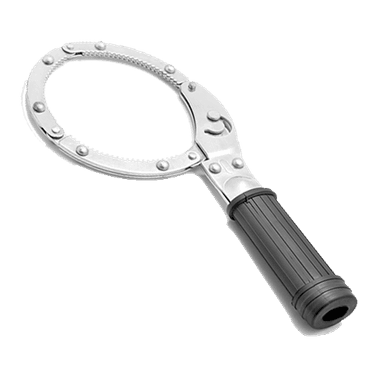
- Oil filter wrench 65/67mm 14-flute
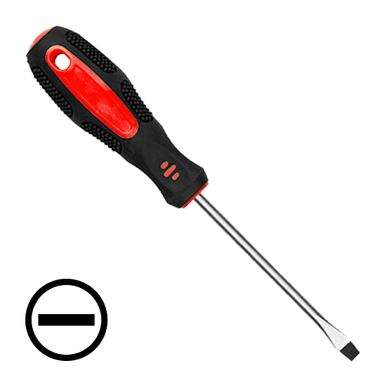
- Flat-blade screwdriver
- Drain pan 6-quart minimum
- Oil funnel
- Floor jack rated 2-ton minimum
- Jack stands rated 2-ton minimum
- Wheel chocks
- Nitrile gloves
- Safety glasses
- Shop towels
🔩 Required Parts
HowToo sells all the parts you need for this repair:
- Engine oil 0W-20 full synthetic - Qty: 5.1 quarts
- Engine oil filter - Qty: 1
- Oil drain plug crush washer - Qty: 1
📋 Before You Begin
- 🅿️ Park your Outback on level ground and set the parking brake.
- 🧱 Place wheel chocks behind the rear wheels so the vehicle cannot roll.
- 🌡️ Run the engine for 2-3 minutes if it is cold, then shut it off. Warm oil drains faster.
- 🧰 A torque wrench is a tool that tightens bolts to a measured amount, helping prevent leaks and stripped threads.
- 🛢️ A crush washer is a soft sealing washer on the drain plug. Replace it every oil change.
🔨 Step-by-Step Instructions
Follow these steps in order:
Step 1: Raise and Secure the Front
- Use the floor jack rated 2-ton minimum at the front center jacking point to raise the front of your Outback if you need more room.
- Place jack stands rated 2-ton minimum under the front side support points.
- Gently lower the vehicle onto the jack stands and lightly shake the vehicle to confirm it is stable.
- Skip lifting if you fit underneath safely.
Step 2: Open the Oil Fill Cap
- Put on nitrile gloves and safety glasses.
- Open the hood.
- Remove the engine oil fill cap by hand. This helps the oil drain smoothly.
- Pull the dipstick up slightly by hand to let air enter the crankcase.
Step 3: Remove the Lower Access Cover if Needed
- Look under the front of the engine for the oil drain plug and filter area.
- If the access panel is in the way, use a flat-blade screwdriver to release the plastic clips.
- Set the clips and panel aside in order so they go back in the same places.
Step 4: Drain the Old Engine Oil
- Place the drain pan 6-quart minimum directly under the engine oil drain plug.
- Use a 17mm socket and 3/8-inch drive ratchet to loosen the drain plug counterclockwise.
- Remove the drain plug by hand once loose. Keep pressure inward until the last thread, then pull away quickly.
- Let the oil drain until it slows to an occasional drip.
- Watch for oil moving as flow slows.
Step 5: Replace the Drain Plug Washer
- Use shop towels to clean the drain plug.
- Remove the old crush washer from the drain plug by hand.
- Install the new oil drain plug crush washer on the drain plug.
- Wipe the oil pan sealing surface clean with shop towels.
Step 6: Reinstall the Oil Drain Plug
- Thread the drain plug into the oil pan by hand first. This prevents cross-threading, which means starting the threads crooked.
- Use the 17mm socket and 3/8-inch drive torque wrench to tighten the drain plug.
- Torque to 41 Nm (30 ft-lbs).
Step 7: Remove the Old Oil Filter
- Move the drain pan 6-quart minimum under the oil filter area.
- Use the oil filter wrench 65/67mm 14-flute with the 3/8-inch drive ratchet to turn the filter counterclockwise.
- Unscrew the filter by hand once it is loose.
- Check that the old rubber gasket came off with the filter. A stuck gasket can cause a major leak.
Step 8: Install the New Oil Filter
- Apply a thin film of new 0W-20 full synthetic engine oil to the new oil filter gasket using a gloved finger.
- Thread the new engine oil filter on by hand until the gasket touches the mounting surface.
- Tighten the filter by hand an additional 3/4 turn after gasket contact.
- If using the oil filter wrench 65/67mm 14-flute and 3/8-inch drive torque wrench, Torque to 14 Nm (10 ft-lbs).
- Hand-tight is usually enough for filters.
Step 9: Add New Engine Oil
- Place the oil funnel into the oil fill opening.
- Pour in about 4.8 quarts of 0W-20 full synthetic engine oil.
- Reinstall the oil fill cap by hand.
- Push the dipstick fully back into place by hand.
Step 10: Start and Check for Leaks
- Start the engine and let it idle for 30-60 seconds.
- Use a flashlight if available to inspect around the drain plug and oil filter.
- If you see dripping oil, shut the engine off immediately and recheck the filter and drain plug with the correct tool.
- Shut the engine off and wait 5 minutes so oil can drain back into the oil pan.
Step 11: Set the Final Oil Level
- Pull the dipstick out by hand and wipe it clean with shop towels.
- Reinsert it fully, then pull it out again to read the level.
- Add small amounts through the oil funnel until the level is near the full mark.
- Total refill with filter is about 5.1 quarts, but always finish by dipstick reading.
- Reinstall the oil fill cap and dipstick by hand.
Step 12: Reinstall the Access Cover and Lower the Vehicle
- If removed, reinstall the lower access cover using the flat-blade screwdriver to secure the plastic clips.
- Use the floor jack rated 2-ton minimum to raise the vehicle slightly off the jack stands.
- Remove the jack stands rated 2-ton minimum.
- Lower the vehicle slowly with the floor jack rated 2-ton minimum.
- Remove the wheel chocks.
Step 13: Reset the Maintenance Reminder
- Turn the ignition on without starting the engine.
- Use the steering wheel controls to open Center Information Display > Home > Car Info > Maintenance.
- Select Engine Oil, then reset or update the distance and date.
- Select Oil Filter, then reset or update the distance and date.
- If your display layout differs, use Home > Settings > Maintenance and reset the oil and filter reminders there.
✅ After Repair
- ✅ Drive for 5-10 minutes, then park on level ground and recheck the oil level after waiting 5 minutes.
- ✅ Recheck the drain plug and oil filter area for seepage.
- ✅ Dispose of used oil and the old filter at a recycling center or auto parts store that accepts used oil.
- ✅ Write down the mileage and date of the oil change.
💰 DIY vs Shop Cost
Shop Cost: $90-$150 (parts + labor)
DIY Cost: $35-$70 (parts only)
You Save: $55-$80 by doing it yourself!
Shop labor rates vary but typically run $100-$150/hour. This repair takes a shop approximately 0.4-0.7 hours.
🎯 Ready to get started?
HowToo makes it easy: same-day/2-day shipping on every part, plus all the tools and specialty tools you need! Check out the parts and tools sections below to add everything to your cart.