









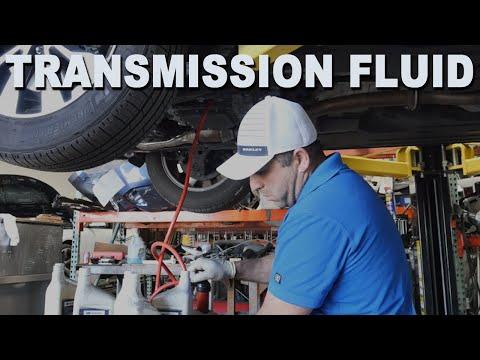







How to Change CVT Transmission Fluid on a 2000-2019 Subaru Outback (Engine: Flat 6 3.6L)
Step-by-step drain and fill guide with tools, Subaru CVT fluid, torque specs, and safety tips for 2000, 2001, 2002, 2003, 2004, 2005, 2006, 2007, 2008, 2009, 2010, 2011, 2012
How to Change CVT Transmission Fluid on a 2000-2019 Subaru Outback (Engine: Flat 6 3.6L)
Step-by-step drain and fill guide with tools, Subaru CVT fluid, torque specs, and safety tips for 2000, 2001, 2002, 2003, 2004, 2005, 2006, 2007, 2008, 2009, 2010, 2011, 2012


🔧 Outback - CVT Transmission Fluid Drain and Fill
This service replaces part of the CVT fluid in your Outback’s TR690 high-torque CVT. Subaru does not use a normal transmission dipstick here, so the final fluid level must be set from underneath with the fluid at the correct temperature.
Difficulty Level: Advanced | Estimated Time: 2-3 hours
⚠️ Safety & Precautions
- ⚠️ CVT fluid level is temperature-sensitive. You need a scan tool that can read CVT fluid temperature.
- ⚠️ Your Outback must be level while filling. Do not fill with only the front raised.
- ⚠️ Do not start the engine with the CVT low on fluid after draining.
- ⚠️ Use only the correct Subaru high-torque CVT fluid. Regular ATF or the wrong CVT fluid can damage the transmission.
- ⚠️ Exhaust, engine, and fluid can be hot. Wear gloves and safety glasses.
- ⚠️ Battery disconnect is not required for this service.
🔧 Required Tools
You'll need the following tools for this repair:
- Floor jack (rated 3-ton minimum)
- Jack stands (rated 3-ton minimum)
- Wheel chocks
- Safety glasses
- Nitrile gloves
- 14mm socket
- 17mm socket
- 8mm hex socket
- 10mm socket
- 3/8-inch ratchet
- 1/2-inch ratchet
- Torque wrench (10-80 ft-lb range)
- Fluid transfer pump (specialty)
- Drain pan (10-quart minimum)
- OBD2 scan tool with CVT temperature data (specialty)
- Infrared thermometer
- Plastic trim clip remover
- Shop towels
🔩 Required Parts
HowToo sells all the parts you need for this repair:
- Subaru High Torque CVT fluid - Qty: 6-8 quarts
- CVT drain plug crush washer - Qty: 1
- CVT fill plug gasket - Qty: 1
- Underbody splash shield clips - Qty: As needed
📋 Before You Begin
- Park your Outback on a flat, level surface.
- Set the parking brake and place wheel chocks behind the rear wheels.
- Raise the vehicle and support it level on jack stands. A level vehicle is required for the correct CVT fluid level.
- Let the CVT cool if the vehicle was driven recently. Final level check must be done around 95-113°F / 35-45°C CVT fluid temperature.
- Connect your scan tool and confirm it can display CVT fluid temperature before draining anything.
- A fluid transfer pump is a hand pump used to push new fluid upward into the transmission fill port.
🔨 Step-by-Step Instructions
Follow these steps in order:
Step 1: Raise and Level the Vehicle
- Use the floor jack to lift your Outback at approved jacking points.
- Place the vehicle securely on jack stands.
- Use wheel chocks to keep the vehicle from rolling.
- Check that the vehicle sits level front-to-back and side-to-side.
- Level matters more than height.
Step 2: Remove the Lower Splash Shield
- Use a 10mm socket to remove the lower splash shield bolts.
- Use a plastic trim clip remover to remove any plastic clips.
- Set the shield and fasteners aside in order.
- On installation later, tighten small splash shield bolts snugly only. Do not overtighten plastic-mounted fasteners.
Step 3: Identify the Correct CVT Plugs
- Use a shop towel to clean dirt from the transmission plug area.
- Locate the CVT drain plug at the lower part of the transmission case.
- Locate the CVT fill/check plug on the side of the transmission case.
- Do not remove the front differential drain plug by mistake. The front differential uses gear oil, not CVT fluid.
- Clean plugs help prevent dirt entering.
Step 4: Remove the Fill Plug First
- Place the drain pan under the transmission.
- Use the correct 8mm hex socket or 17mm socket, depending on the plug style fitted, to carefully loosen the CVT fill plug.
- Only loosen it first. This proves you can refill the CVT before you drain it.
- If the fill plug will not loosen, stop the job and do not drain the fluid.
Step 5: Drain the Old CVT Fluid
- Move the drain pan under the CVT drain plug.
- Use the correct 14mm socket or 8mm hex socket, depending on plug style, to remove the drain plug.
- Let the fluid drain until it slows to a drip.
- Measure the amount drained using markings on the drain pan if available.
- Expect roughly 4-6 quarts during a normal drain and fill.
- Measure drained fluid as a backup.
Step 6: Reinstall the Drain Plug
- Install a new CVT drain plug crush washer on the drain plug.
- Thread the drain plug in by hand first to avoid cross-threading.
- Use a torque wrench with the correct socket to tighten the drain plug to Torque to 31 Nm (23 ft-lbs).
- Wipe the area clean with shop towels.
Step 7: Pump New CVT Fluid Into the Transmission
- Insert the hose from the fluid transfer pump into the CVT fill opening.
- Pump in Subaru High Torque CVT fluid until fluid begins to run back out of the fill opening.
- Temporarily install the fill plug finger-tight using the correct socket.
- Do not torque the fill plug yet. The final level is not set.
Step 8: Warm the CVT Fluid
- Connect the OBD2 scan tool with CVT temperature data.
- Start the engine and keep your foot firmly on the brake pedal.
- Move the shifter slowly through P-R-N-D, pausing 3-5 seconds in each position.
- Return the shifter to Park and leave the engine idling.
- Watch the scan tool until CVT fluid temperature reaches 95-113°F / 35-45°C.
- Use the infrared thermometer only as a backup reference at the transmission pan area. The scan tool reading is the important one.
Step 9: Set the Final Fluid Level
- With the engine idling and the CVT fluid at 95-113°F / 35-45°C, remove the fill plug using the correct socket.
- If no fluid comes out, use the fluid transfer pump to add fluid until it begins to trickle from the fill opening.
- If a heavy stream comes out, wait until it slows to a thin trickle.
- The correct level is reached when fluid comes out as a light trickle at the specified temperature.
- A trickle means full, not empty.
Step 10: Install and Torque the Fill Plug
- Install a new CVT fill plug gasket.
- Thread the fill plug in by hand first.
- Use a torque wrench with the correct socket to tighten the fill plug to Torque to 50 Nm (37 ft-lbs).
- Wipe the transmission case clean with shop towels.
Step 11: Reinstall the Splash Shield
- Position the splash shield back under your Outback.
- Use a plastic trim clip remover by hand to seat any reusable clips, or install new clips if damaged.
- Use a 10mm socket to reinstall the splash shield bolts.
- Tighten splash shield bolts snugly by hand. Do not overtighten.
Step 12: Lower the Vehicle
- Use the floor jack to lift slightly off the jack stands.
- Remove the jack stands.
- Lower the vehicle slowly to the ground.
- Remove the wheel chocks.
✅ After Repair
- Start the engine and check underneath for leaks.
- Take a gentle 10-15 minute test drive. Avoid hard acceleration at first.
- Confirm smooth engagement from Park to Reverse and Drive.
- Recheck for leaks after the test drive.
- No battery registration, coding, or infotainment reset is required.
- If you see CVT warning lights, delayed engagement, slipping, or abnormal noises, stop driving and recheck the fluid level procedure.
💰 DIY vs Shop Cost
Shop Cost: $280-$500 (parts + labor)
DIY Cost: $90-$180 (parts only)
You Save: $190-$320 by doing it yourself!
Shop labor rates vary but typically run $100-$150/hour. This repair takes a shop approximately 1.5-2.0 hours.
🎯 Ready to get started?
HowToo makes it easy: same-day/2-day shipping on every part, plus all the tools and specialty tools you need! Check out the parts and tools sections below to add everything to your cart.