









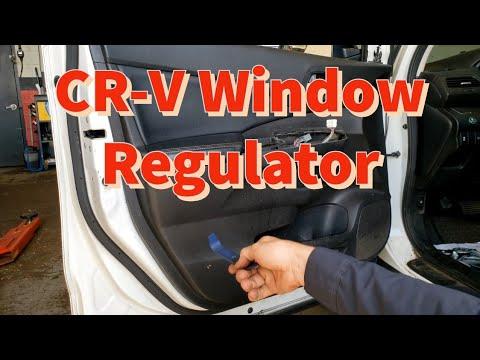





How to Replace Front Window Regulators on a 2013 Honda CR-V
Step-by-step DIY guide with tools, parts list, safety tips, and detailed instructions to fix slow or stuck front power windows
How to Replace Front Window Regulators on a 2013 Honda CR-V
Step-by-step DIY guide with tools, parts list, safety tips, and detailed instructions to fix slow or stuck front power windows


🔧 CR-V - Front Window Regulator Replacement
You'll remove the front door panel, take out the old window regulator and motor assembly, then install a new unit and reattach the glass. This fixes slow, stuck, or crooked front windows.
Difficulty Level: Intermediate | Estimated Time: 1.5–2.0 hours per door
⚠️ Safety & Precautions
- ⚠️ Disconnect the negative battery cable before working on power windows to avoid accidental operation and short circuits.
- ⚠️ Glass edges are sharp; wear gloves and support the window so it cannot fall.
- ⚠️ Keep fingers clear of the regulator arms and tracks; they can pinch hard.
- ⚠️ Work with the door fully open on level ground so it does not move while you’re working.
- ⚠️ Do not slam the door until you know the glass is properly bolted and aligned.
🔧 Required Tools
You'll need the following tools for this repair:
- 10mm socket
- 1/4" drive ratchet
- 1/4" drive 3" extension
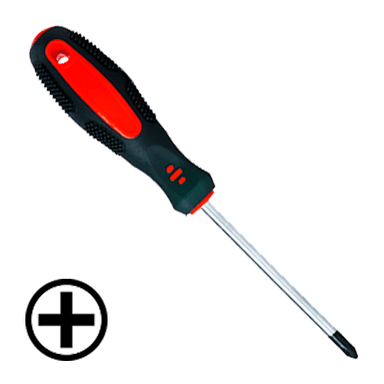
- Phillips #2 screwdriver
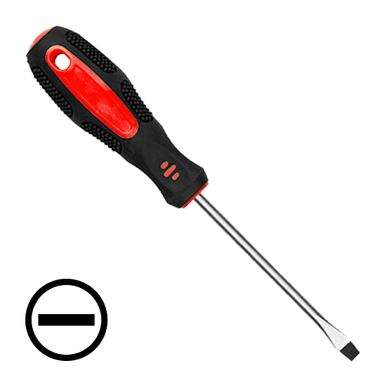
- Flathead 4mm screwdriver
- Plastic trim removal tool set
- Needle-nose pliers
- Painter's tape 1" or 2"
- Panel clip removal tool
- Multimeter (basic)
- Utility knife
- Shop rags
- Work light
- Mechanic gloves
- Safety glasses
🔩 Required Parts
HowToo sells all the parts you need for this repair:
- Front window regulator with motor assembly (driver side) - Qty: 1
- Front window regulator with motor assembly (passenger side) - Qty: 1
- Front door panel clips - Qty: 10–15 per door
- Door moisture barrier butyl tape/sealer - Qty: 1 roll
- Electrical contact cleaner spray - Qty: 1
- Silicone spray lubricant (for window channels) - Qty: 1
📋 Before You Begin
- Park on level ground, set the parking brake, and turn the ignition OFF.
- Lower the window until you can see the glass mounting bolts through the access holes if it still moves. If the window is stuck fully up, you’ll adjust during the job.
- Open the front door fully and make sure you have good lighting and room to move.
- Disconnect the negative battery cable using a 10mm socket and set it aside so it cannot spring back.
- Have painter’s tape ready to hold the glass in place once it’s freed from the regulator.
🔨 Step-by-Step Instructions
Follow these steps in order:
Step 1: Prepare and disconnect the battery
- Open the hood and locate the battery.
- Use a 10mm socket and 1/4" drive ratchet to loosen the negative (-) terminal clamp.
- Lift the clamp off and wrap it in a shop rag so it cannot touch the post.
- Always remove negative first to reduce short risk.
Step 2: Remove trim pieces from the front door
- A plastic trim removal tool is a non-metal lever to pop clips without scratching.
- Use a plastic trim removal tool to gently pry off the small sail panel at the inside top of the mirror area; pull it straight toward you to release clips.
- Use a flathead 4mm screwdriver to gently pop out the small cover behind the interior door handle to expose a screw.
- On the armrest pull handle, locate the small plastic cover and use the plastic trim removal tool to pry it up, exposing another screw.
Step 3: Remove door panel screws
- Use a Phillips #2 screwdriver to remove the screw behind the interior handle.
- Use the Phillips #2 screwdriver to remove the screw in the armrest pull handle.
- Place screws in a small tray so you don’t lose them.
Step 4: Release the door panel clips
- A panel clip removal tool is a forked tool that slides around clips to pry them out.
- Starting at the bottom edge of the door, slide a plastic trim removal tool between the panel and the metal door to find the first clip.
- Once you find a clip, use the panel clip removal tool to pry the clip straight out from the door.
- Work your way around the sides and bottom, releasing all clips.
- When clips are loose, lift the whole door panel straight up to unhook it from the window ledge.
Step 5: Disconnect electrical connectors and latch cable
- Support the door panel with your knee or a box so it doesn’t hang by the wires.
- Use your fingers or needle-nose pliers to press the locking tabs and disconnect the power window switch connector and any speaker connector.
- At the interior handle area, rotate the plastic clip on the latch cable with your fingers, then unhook the cable end from the handle lever.
- Set the door panel aside in a safe place.
Step 6: Remove the moisture barrier carefully
- The moisture barrier is the plastic sheet stuck to the door with sticky butyl sealer.
- Use a utility knife only if needed to cut excess sealer, but try to peel it back slowly by hand.
- Peel it back enough to expose the regulator assembly and access holes; do not tear it.
- Stick the loose plastic sheet out of the way for now; it will be re-used with fresh butyl tape.
Step 7: Secure the glass with tape
- If the window is stuck part way down, plug in the window switch temporarily, reconnect the battery, and move the glass until you see the glass mounting bolts through the access holes, then disconnect the battery again.
- Use painter's tape across the top of the door frame to hold the glass once you loosen it from the regulator.
- Run 2–3 strips of tape from the outside of the glass, over the top of the frame, and down inside.
- Use plenty of tape; glass is heavy.
Step 8: Detach the glass from the regulator
- Look through the large service openings in the door to find where the regulator clamps or brackets attach to the bottom of the glass.
- Use a 10mm socket and 1/4" drive ratchet to remove the two 10mm glass mounting bolts.
- Carefully lift the glass by hand to the fully up position and add extra painter's tape to hold it securely to the door frame.
- Make sure the glass is solidly supported and cannot slide down.
Step 9: Disconnect the window motor and regulator fasteners
- Locate the electrical connector going to the window motor and press the tab to unplug it by hand or with needle-nose pliers.
- Use electrical contact cleaner and a shop rag to clean any dirty connector if needed.
- Identify all the 10mm bolts holding the regulator tracks and motor to the inner door skin.
- Use a 10mm socket, 1/4" drive ratchet, and 3" extension to remove each bolt. Keep them organized.
- Take a quick photo of bolt locations before removal.
Step 10: Remove the regulator and motor assembly
- Once all bolts are removed, tilt the regulator and motor assembly inside the door.
- Carefully work the assembly out through the largest opening in the inner door panel by hand.
- If it catches on metal edges, slightly change the angle until it comes out; do not force it.
Step 11: Install the new regulator assembly
- Compare the old and new regulator assemblies on a bench to confirm the mount points and plug style match.
- Feed the new regulator and motor assembly into the door through the large opening by hand.
- Align the regulator and motor with the factory mounting holes.
- Install all mounting bolts finger-tight first using the 10mm socket and 1/4" drive ratchet.
- Then snug each bolt evenly with the 10mm socket; Honda does not provide a specific torque here, but tighten firmly and stop as soon as resistance increases. Do not overtighten in thin sheet metal.
Step 12: Reattach the glass to the new regulator
- Reconnect the motor electrical connector by hand until it clicks.
- Temporarily reconnect the negative battery cable with the 10mm socket so you can move the regulator.
- Turn the ignition to ON (engine off). Use the window switch to move the regulator carriage to the correct position where the clamp holes line up with the glass bracket, then turn ignition OFF.
- Disconnect the battery negative again with the 10mm socket.
- Remove some tape and carefully lower the glass by hand into the regulator clamps or bracket.
- Install the 10mm glass mounting bolts by hand, then snug with the 10mm socket. Again, firm but not extremely tight.
- Remove most of the tape, but leave one strip across the top while you test later.
Step 13: Check window movement (door panel still off)
- Reconnect the negative battery cable with the 10mm socket.
- Reconnect the window switch connector if you unplugged it, and momentarily hang the switch panel or hold it in your hand.
- Turn ignition ON and run the window up and down a few inches at a time, watching inside the door to confirm the regulator moves smoothly and the glass stays straight.
- If you see binding, stop and slightly loosen the regulator bolts and shift the tracks, then retighten and test again.
- When satisfied, turn ignition OFF and disconnect the battery again before reassembly.
Step 14: Lubricate window channels
- Use silicone spray lubricant with a straw nozzle along the front and rear vertical rubber channels where the glass slides.
- Wipe off any overspray with a shop rag.
- Lubed channels reduce strain on new regulator.
Step 15: Reinstall the moisture barrier
- Press the original moisture barrier back into position on the door.
- If the old sealer is not sticky, apply fresh butyl tape around the perimeter where the plastic meets the door.
- Make sure there are no large gaps; this keeps water out of the interior and protects electronics.
Step 16: Reconnect cables and electrical to the door panel
- Bring the door panel close to the door and support it with your knee or a box.
- Reconnect the window switch connector and any speaker connector by hand until they click.
- Hook the door latch cable end into the interior handle lever, then rotate the plastic clip back into its bracket to lock it.
Step 17: Reinstall the door panel
- Hook the upper edge of the door panel over the metal lip at the top of the door by hand.
- Align all plastic clips with their holes in the door.
- Use your palm to firmly tap around the edges of the panel to seat all clips.
- Replace any broken clips with new ones before final assembly.
Step 18: Reinstall screws and trim covers
- Use the Phillips #2 screwdriver to install the screw behind the interior handle and the screw in the armrest pull handle. Snug them; do not strip the plastic.
- Press the small plastic covers back into place by hand over each screw.
- Push the mirror sail panel back into place until its clips snap in.
Step 19: Final battery connection and window initialization
- Reconnect the negative battery terminal with the 10mm socket and tighten the clamp snugly.
- Turn the ignition to ON.
- For the front window auto function initialization (Honda procedure):
- Fully lower the window using the switch and keep holding the switch down for about 2 seconds after it reaches the bottom.
- Then fully raise the window and hold the switch up for about 2 seconds after it reaches the top.
- Test auto-up and auto-down to confirm they work.
✅ After Repair
- Test the window from both the driver’s master switch and the door’s own switch (if equipped) to ensure smooth operation.
- Listen for grinding, popping, or straining noises; if heard, stop and re-check the regulator alignment and fasteners.
- Check that the door locks and interior handle work normally and that all trim pieces are fully seated.
- Spray a little water on the outside of the window and check inside the door area for leaks during operation.
💰 DIY vs Shop Cost
Shop Cost: $350–$550 per front window (parts + labor)
DIY Cost: $90–$180 per front window (parts only)
You Save: $260–$370 per window by doing it yourself!
Shop labor rates vary but typically run $100–$150/hour. This repair takes a shop approximately 1.0–1.5 hours per door.
🎯 Ready to get started?
HowToo makes it easy: same-day/2-day shipping on every part, plus all the tools and specialty tools you need! Check out the parts and tools sections above to add everything to your cart.