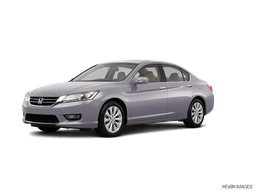









![Car Door Actuator Replacement (2013 Honda Accord) [E72]](/_next/image?url=https%3A%2F%2Fimg.youtube.com%2Fvi%2FOZrJ-yMkFw4%2Fhqdefault.jpg&w=1200&q=75)




How to Replace the Front Door Lock Actuator on a 2013 Honda Accord
Step-by-step door panel removal, latch/actuator swap, tools/parts list, and torque specs
How to Replace the Front Door Lock Actuator on a 2013 Honda Accord
Step-by-step door panel removal, latch/actuator swap, tools/parts list, and torque specs


🔧 Accord - Front Door Lock Actuator Replacement
On your Accord, the “front door lock actuator” is typically part of the door latch/lock actuator assembly inside the door. Replacement involves removing the interior door panel, peeling back the moisture barrier, disconnecting rods/cables, then swapping the latch/actuator unit.
Difficulty Level: Intermediate | Estimated Time: 1.5-3.0 hours (per door)
⚠️ Safety & Precautions
- 🛑 Work on level ground and keep the key out of the car.
- 🧤 Wear gloves—inner door metal edges can be very sharp.
- 🔥 If the car was just driven, let the door area cool (sun-heated metal can burn).
- 🔌 Recommended: disconnect the negative battery cable to prevent accidental shorts while unplugging door wiring.
- 🧼 Don’t tear the moisture barrier (the plastic sheet). It prevents water leaks and wind noise.
🔧 Required Tools
You'll need the following tools for this repair:
- Safety glasses
- Mechanic gloves
- Trim clip removal tool
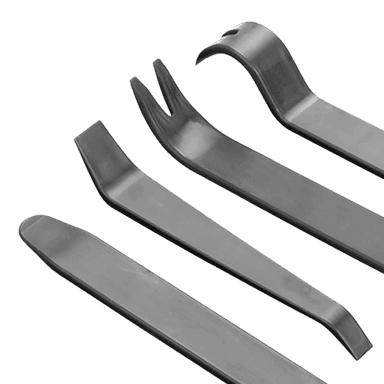
- Plastic trim pry tool set
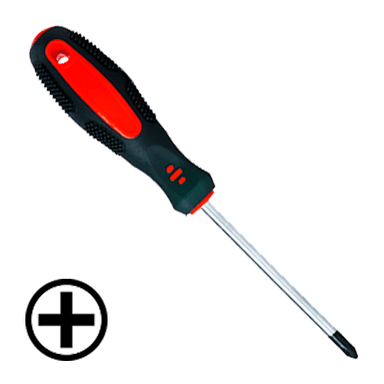
- Phillips screwdriver #2
- Flat-blade screwdriver (small)
- 10mm socket
- 1/4" drive ratchet
- 6" socket extension
- Torx T30 bit socket
- Needle-nose pliers
- Pick tool (small)
- Torque wrench (in-lb or low-range ft-lb)
- Painter's tape
🔩 Required Parts
HowToo sells all the parts you need for this repair:
- Front door latch & lock actuator assembly - LH (driver) or RH (passenger) - Qty: 1
- Door panel retaining clips - Qty: 6-12
- Butyl tape (moisture barrier adhesive) - Qty: 1
📋 Before You Begin
- Park on a flat surface and keep the window fully up.
- Use painter's tape to protect painted edges near the door handle area.
- If you’re disconnecting the battery: use a 10mm socket to remove the negative cable, then set it aside so it can’t spring back.
- Have a clean spot ready for screws/clips so nothing gets lost.
🔨 Step-by-Step Instructions
Follow these steps in order:
Step 1: Remove the inner door handle/trim covers
- Use a plastic trim pry tool to carefully pop off the small trim cap(s) hiding the screws near the interior door handle and armrest.
- If a cover is stubborn, use a flat-blade screwdriver (small) gently—wrap the tip with tape to avoid marring.
Step 2: Remove the door panel screws
- Remove visible screws with a Phillips screwdriver #2 (commonly behind the handle trim and in the armrest pull pocket).
- If your door has a 10mm fastener in the pull pocket, remove it with a 10mm socket and 1/4" drive ratchet.
Step 3: Release the door panel clips and lift the panel off
- Start at the lower corner. Slide a trim clip removal tool between the panel and the door and pop the clips free one by one.
- Once clips are released, lift the panel straight up to unhook it from the top window ledge.
- Lift up first—don’t pull outward at the top.
Step 4: Disconnect switches and the inner handle cable
- Unplug the power window/lock switch connectors by pressing the tab and pulling straight out (use a pick tool (small) if needed).
- At the interior handle, disconnect the handle cable: rotate the cable housing out of its bracket, then unhook the cable end from the handle.
- Take a photo before removing cables/rods.
Step 5: Peel back the moisture barrier
- Carefully peel the plastic moisture barrier back enough to access the latch area.
- If the sticky adhesive won’t hold later, plan to use butyl tape during reassembly.
- Moisture barrier = the plastic sheet that keeps water out of the cabin.
Step 6: Disconnect the latch electrical connector
- Locate the latch/actuator connector near the rear edge of the door (latch area).
- Press the tab and unplug it. Use a pick tool (small) if the tab is hard to press.
Step 7: Disconnect the latch rods/cables
- Identify the rod(s) going into the latch (lock rod and/or outside handle rod).
- Use a needle-nose pliers to rotate the colored retaining clip open, then lift the rod out.
- Retaining clip = the small plastic “gate” that locks the rod into the latch.
Step 8: Remove the latch/actuator from the door
- On the door’s rear edge (where the door latches to the body), remove the latch mounting screws with a Torx T30 bit socket and 1/4" drive ratchet.
- Support the latch from inside the door so it doesn’t drop.
- Maneuver the latch/actuator assembly out through the access opening in the door.
- Torque to 7.2 N·m (5.3 ft-lbs) for the latch mounting screws during install.
Step 9: Install the new latch/actuator assembly
- Feed the new latch/actuator into position inside the door, matching the same orientation as the old unit.
- Start the Torx screws by hand to avoid cross-threading, then tighten with a Torx T30 bit socket.
- Torque to 7.2 N·m (5.3 ft-lbs).
Step 10: Reconnect rods/cables and electrical connector
- Reinstall each rod into its hole, then rotate the retaining clip closed using needle-nose pliers if needed.
- Plug in the latch electrical connector until it clicks.
- If a clip won’t close, the rod isn’t fully seated.
Step 11: Test the actuator before reassembling the door
- If you disconnected the battery, reconnect it using a 10mm socket.
- With the door still open, press the lock/unlock switch and confirm the latch locks/unlocks smoothly.
- Manually operate the inside handle and outside handle to confirm proper release.
- If it acts “backwards” or sticks, recheck rod routing and clip engagement.
Step 12: Reinstall the moisture barrier and door panel
- Press the moisture barrier back into place. Use butyl tape to reseal any loose areas.
- Reconnect all switch connectors and the interior handle cable.
- Hang the door panel on the top ledge first, then press clips in around the perimeter using firm hand pressure.
- Reinstall screws using a Phillips screwdriver #2 (and 10mm socket if equipped).
✅ After Repair
- Cycle lock/unlock 10+ times from the switch and with the key fob (if equipped).
- Confirm the door opens from inside and outside, and that the door locks securely.
- Verify the window switch and mirror controls work after reconnecting.
- Listen for water/air leaks on the next drive—if present, reseal the moisture barrier with butyl tape.
💰 DIY vs Shop Cost
Shop Cost: $350-$650 (parts + labor)
DIY Cost: $90-$220 (parts only)
You Save: $260-$430 by doing it yourself!
Shop labor rates vary but typically run $100-$150/hour. This repair takes a shop approximately 1.5-3.0 hours.
🎯 Ready to get started?
HowToo makes it easy: same-day/2-day shipping on every part, plus all the tools and specialty tools you need! Check out the parts and tools sections below to add everything to your cart.