















How to Replace Spark Plugs on a 2020 Mazda CX-30 (Step-by-Step DIY Guide)
Tools, parts, torque specs, safety tips, and coil removal steps for a smooth-running engine
How to Replace Spark Plugs on a 2020 Mazda CX-30 (Step-by-Step DIY Guide)
Tools, parts, torque specs, safety tips, and coil removal steps for a smooth-running engine


🔧 CX-30 - Spark Plug Replacement
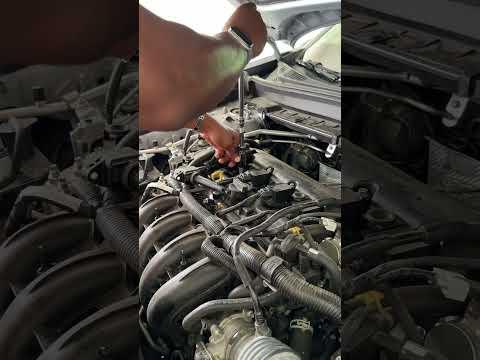
On your CX-30, the spark plugs sit on top of the engine under the ignition coils. Replacing them restores strong ignition, helps prevent misfires, and keeps fuel economy and power where they should be.
Difficulty Level: Intermediate | Estimated Time: 1.0-2.0 hours
⚠️ Safety & Precautions
- ⚠️ Work on a fully cool engine to avoid burns and stripped threads.
- ⚠️ Keep dirt out of the spark plug holes; debris can damage the engine.
- ⚠️ Do not over-tighten spark plugs; the cylinder head is aluminum.
- ⚠️ Battery disconnect is not required, but it’s safer to disconnect the negative terminal if you’re worried about shorting anything.
🔧 Required Tools
You'll need the following tools for this repair:
- 10mm socket
- 3/8" ratchet
- 3/8" extension set (3" and 6")
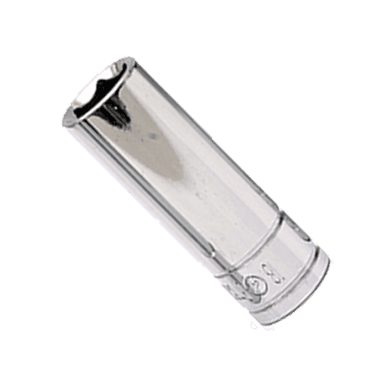
- 14mm thin-wall spark plug socket (magnetic or rubber insert)
- 3/8" torque wrench (5–50 Nm range)
- Small flat screwdriver
- Needle-nose pliers
- Compressed air blow gun
- Shop vacuum
- Clean shop towels
- Nitrile gloves
- Safety glasses
🔩 Required Parts
HowToo sells all the parts you need for this repair:
- Iridium spark plugs (OEM-equivalent) - Qty: 4
- Dielectric grease - Qty: 1
📋 Before You Begin
- Park on level ground, shift to Park, and set the parking brake.
- Let the engine cool completely (ideally 1+ hour).
- If you choose to disconnect the battery: use a 10mm socket to remove the negative terminal and isolate it so it can’t spring back.
- Do one cylinder at a time to avoid mix-ups.
🔨 Step-by-Step Instructions
Follow these steps in order:
Step 1: Remove the engine cover
- Pull straight up on the plastic engine cover to pop it off its rubber grommets.
- Set it aside where it won’t get stepped on.
Step 2: Unplug the ignition coil connector (cylinder 1)
- Use a small flat screwdriver to gently help lift the connector lock tab if it’s stubborn.
- Pull the connector straight off (don’t yank on the wires).
- If it won’t budge, wiggle—don’t pry hard.
Step 3: Remove the ignition coil
- Use a 10mm socket and 3/8" ratchet to remove the coil hold-down bolt.
- Twist the coil slightly, then pull straight up to remove it.
- Set the coil somewhere clean (so the rubber boot stays clean).
Step 4: Clean around the spark plug well
- Use a shop vacuum to remove loose dirt around the spark plug tube.
- Use compressed air blow gun to blow out the spark plug well.
- Safety glasses on for this step.
Step 5: Remove the old spark plug
- Install a 14mm thin-wall spark plug socket on a 3/8" extension and 3/8" ratchet.
- Turn counter-clockwise to loosen, then spin it out carefully.
- Lift the plug out with the socket.
Step 6: Install the new spark plug (start by hand)
- Confirm the new plugs match the old ones in length and seat style.
- Do not adjust the electrode gap on iridium plugs (they are typically pre-set).
- Thread the new plug in by hand using the 14mm spark plug socket and extension (no ratchet at first).
- If it doesn’t spin in smoothly, stop and back it out—cross-threading damages the head.
- No anti-seize on plated spark plug threads.
Step 7: Torque the spark plug
- Use a 3/8" torque wrench with the 14mm spark plug socket to tighten.
- Torque to 15–20 Nm (11–15 ft-lbs).
Step 8: Reinstall the ignition coil
- Apply a tiny smear of dielectric grease inside the coil boot (this helps prevent sticking and moisture intrusion).
- Push the coil straight down until it fully seats.
- Install the coil bolt using a 10mm socket and 3/8" ratchet, then snug it with a 3/8" torque wrench.
- Torque to 8–10 Nm (71–89 in-lbs).
Step 9: Reconnect the coil connector
- Push the connector on until it clicks/locks.
- Give it a gentle pull to confirm it’s latched.
Step 10: Repeat for the remaining 3 cylinders
- Repeat Steps 2–9 one cylinder at a time.
- Keep everything clean and avoid dropping anything into the plug wells.
Step 11: Reinstall the engine cover and reconnect battery (if removed)
- Press the engine cover back down until it snaps into place.
- If disconnected, reconnect the battery negative terminal using a 10mm socket and tighten securely.
✅ After Repair
- Start the engine and let it idle for 30–60 seconds; it should run smooth.
- If you notice a check engine light or shaking, shut it off and re-check that every coil connector is fully clicked in.
- Do a short test drive, then re-check for any fuel smell, unusual noises, or warning lights.
💰 DIY vs Shop Cost
Shop Cost: $250-$450 (parts + labor)
DIY Cost: $45-$90 (parts only)
You Save: $160-$405 by doing it yourself!
Shop labor rates vary but typically run $100-$150/hour. This repair takes a shop approximately 1.0-1.5 hours.
🎯 Ready to get started?
HowToo makes it easy: same-day/2-day shipping on every part, plus all the tools and specialty tools you need! Check out the parts and tools sections below to add everything to your cart.