









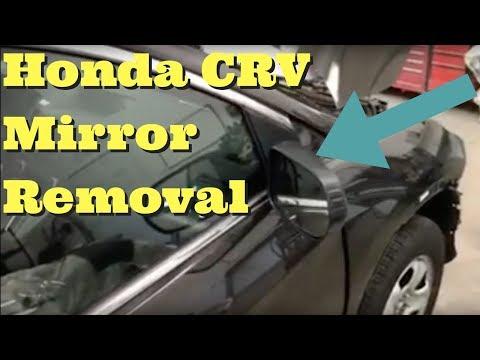





How to Replace Side View Mirrors on a 2013 Honda CR-V (Step-by-Step)
Complete DIY mirror replacement guide with tools, parts list, torque specs, safety tips, and detailed instructions
How to Replace Side View Mirrors on a 2013 Honda CR-V (Step-by-Step)
Complete DIY mirror replacement guide with tools, parts list, torque specs, safety tips, and detailed instructions


🔧 CR-V - Side View Mirror Replacement
You’ll be removing the interior door trim panel near the mirror, unplugging the mirror wiring, and unbolting the mirror from the door. Then you’ll install the new mirror and reassemble everything carefully so it doesn’t rattle or leak water.
Difficulty Level: Beginner | Estimated Time: 1–1.5 hours per side
⚠️ Safety & Precautions
- 🛑 Work with the engine off, key out of the ignition, and the window fully lowered on the side you’re working on.
- 🛑 Disconnect the negative battery cable before unplugging mirror wiring to avoid short circuits and accidental airbag warning lights.
- 🛑 Be gentle around the front door tweeter speaker and airbag wiring in the door; do not pull on yellow-colored connectors or wires.
- 🛑 Use plastic trim tools so you don’t crack or scratch the interior door panel.
- 🛑 Support the mirror with one hand when removing the last mounting nut so it doesn’t fall and chip the paint.
🔧 Required Tools
You'll need the following tools for this repair:
- 🧰 10mm socket
- 🧰 1/4" drive ratchet
- 🧰 1/4" drive extension (3–6")
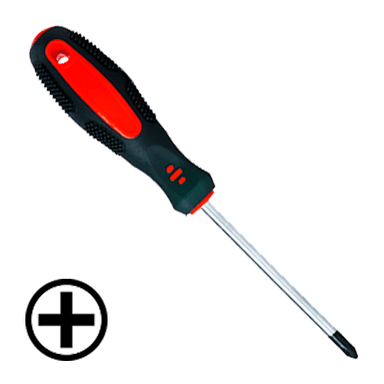
- 🧰 Phillips #2 screwdriver
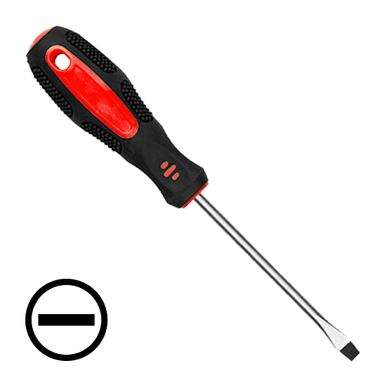
- 🧰 Flathead screwdriver (small)
- 🧰 Plastic trim removal tool set (specialty)
- 🧰 Needle-nose pliers
- 🧰 Torque wrench (inch-lb or low-range ft-lb)
- 🧰 Panel clip removal tool (specialty)
- 🧰 Work light or headlamp
- 🧰 Fender cover or thick towel
- 🧰 Safety glasses
- 🧰 Mechanic gloves
- 🧰 Masking tape
🔩 Required Parts
HowToo sells all the parts you need for this repair:
- 🔩 Left side power mirror assembly (paint-to-match, non-camera) - Qty: 1 (if replacing driver side)
- 🔩 Right side power mirror assembly (paint-to-match, non-camera) - Qty: 1 (if replacing passenger side)
- 🔩 Mirror-to-door foam seal or gasket - Qty: 1 per mirror (often included with mirror)
- 🔩 Door panel push clips - Qty: 4–8 (optional but recommended in case any break)
- 🔩 Plastic waterproof door liner butyl tape - Qty: 1 roll (only if liner adhesive gets damaged)
📋 Before You Begin
- Park the CR-V on level ground, engage the parking brake, and switch the ignition off.
- Lower the window fully on the side you’re working on; this helps you grab the panel and see edges better.
- Open the door fully and protect the paint around the mirror with masking tape and a towel.
- Disconnect the negative battery terminal using a 10mm socket and set the cable aside so it can’t spring back.
- Place all screws and clips you remove into a small container so nothing gets lost.
🔨 Step-by-Step Instructions
Follow these steps in order:
Step 1: Remove the small interior mirror trim cover
- Open the door and look at the inside upper front corner, near the mirror; you’ll see a small triangular plastic cover.
- Use a plastic trim removal tool to gently pry from the top edge of this triangle cover.
- Work your way around until the clips pop free, then pull the trim straight away from the door.
- If there is a small tweeter speaker attached, let it hang gently or support it; do not pull hard on its wiring.
Step 2: Remove door panel screws
- Behind the interior door handle, there is a small plastic cover hiding a screw. Pry this cover off carefully with a small flathead screwdriver.
- Use a Phillips #2 screwdriver to remove the screw behind the handle and set it aside.
- In the door pull pocket (where you grab to close the door), remove the small rubber mat with your fingers, then remove the screw underneath with a Phillips #2 screwdriver.
Step 3: Release the door panel clips
- Starting at the bottom edge of the door panel, slide a plastic trim removal tool between the panel and the metal door.
- Gently pry outward to pop the first clip. You’ll feel it “pop” free.
- Work your way along the bottom and then up the sides, releasing each clip using the same plastic trim removal tool.
- Pull close to each clip, not in the middle
Step 4: Lift the door panel off
- Once all the clips are loose, grip the panel by the door pull and bottom edge.
- Lift the panel straight up to unhook it from the top window ledge.
- Do not pull it too far away; there are still cables and wires connected to the back.
Step 5: Disconnect door handle cable and switch connectors
- Support the loose panel with one hand or rest the bottom on your leg.
- At the inside door handle, locate the cable: gently unclip the plastic retainer from the handle with your fingers, then rotate and unhook the cable end.
- Unplug the power window/lock switch connector(s) using your hand or a small flathead screwdriver to press the release tab.
- Set the door panel aside somewhere safe so it doesn’t get scratched.
Step 6: Peel back the plastic moisture barrier at the mirror area
- The clear or white plastic sheet on the door is the moisture barrier; it keeps water out of the cabin.
- Carefully peel back just enough of the barrier in the upper front corner to reach the mirror wiring, using your hands.
- If the sticky butyl adhesive stretches, push it back onto the metal later so it reseals properly.
Step 7: Unplug the mirror electrical connector
- Follow the wire coming from the mirror into the door until you find the connector.
- Press the locking tab and pull the connector apart using your fingers or needle-nose pliers if it’s tight.
- Tuck the door-side connector out of the way so it doesn’t fall back inside the door.
Step 8: Remove the mirror mounting nuts
- From inside the door, look behind the mirror area; you’ll see three small nuts securing the mirror studs.
- Use a 10mm socket with a 1/4" drive ratchet and extension to loosen and remove the two upper nuts first.
- Support the mirror from the outside with one hand while you remove the last lower nut using the same 10mm socket.
- Carefully pull the mirror away from the door, feeding the wiring and connector out through the hole.
Step 9: Prepare and install the new mirror
- Compare the new mirror to the old one to confirm the mounting point positions and connector shape match.
- Ensure the foam gasket is on the new mirror base. If not, install the new gasket or transfer the old one if it’s still in good shape.
- Feed the new mirror wiring and connector through the door opening by hand.
- Position the mirror against the door, lining up the studs with the holes, and hold it in place.
- Thread the mounting nuts on by hand, starting with one upper nut to hold the mirror.
Step 10: Tighten the mirror mounting nuts
- Use a 10mm socket and 1/4" drive ratchet to snug all three nuts evenly.
- Then, using a torque wrench with 10mm socket, tighten each nut to 7–9 Nm (5–7 ft-lbs).
- Do not overtighten; you can crack the mirror base
Step 11: Reconnect mirror wiring and reseal moisture barrier
- Plug the mirror connector into the door-side connector firmly by hand until it clicks.
- Route the wiring so it won’t get pinched by the window or door panel.
- Press the plastic moisture barrier back into place with your hands, making sure the adhesive seals all around the edge you lifted.
Step 12: Reinstall the door panel
- Reconnect the power window/lock switch connector(s) by hand.
- Reattach the door handle cable: hook the cable end into the handle, then clip the plastic retainer back into its bracket.
- Hook the top of the door panel over the window ledge first, then push the panel down slightly to seat it.
- Align the panel clips with their holes in the door and press around the edges with your palms to snap each clip back into place.
Step 13: Reinstall screws and mirror interior trim
- Reinstall the screw in the door pull pocket with a Phillips #2 screwdriver, then put the rubber mat back in.
- Reinstall the screw behind the interior handle with the same Phillips #2 screwdriver, then snap the small cover back over it by hand.
- Position the small triangular mirror trim inside and push it into place until the clips click.
Step 14: Reconnect battery and test the mirror
- Reconnect the negative battery cable using a 10mm socket and tighten it to 7–10 Nm (5–7 ft-lbs).
- Turn the ignition to ON (engine can stay off).
- Use the mirror switch to move the mirror up, down, left, and right to confirm full range of motion.
- If your mirror is heated, turn on the rear defogger and after a minute, feel the mirror glass to confirm it warms slightly.
✅ After Repair
- Check from outside that the mirror sits flush against the door and the gasket is evenly compressed.
- Drive at low speed and listen for any new wind noises around the mirror area.
- Re-adjust the mirror position from the driver’s seat to your normal driving position.
- If any window auto-up/down functions act strange, relearn them by holding the switch up for a few seconds after fully closed.
💰 DIY vs Shop Cost
Shop Cost: $220–$380 per side (parts + labor)
DIY Cost: $70–$150 per side (parts only, depending on mirror type)
You Save: $150–$230 per side by doing it yourself!
Shop labor rates vary but typically run $100–$150/hour. This repair takes a shop approximately 0.8–1.0 hours per side.
🎯 Ready to get started?
HowToo makes it easy: same-day/2-day shipping on every part, plus all the tools and specialty tools you need! Check out the parts and tools sections below to add everything to your cart.