









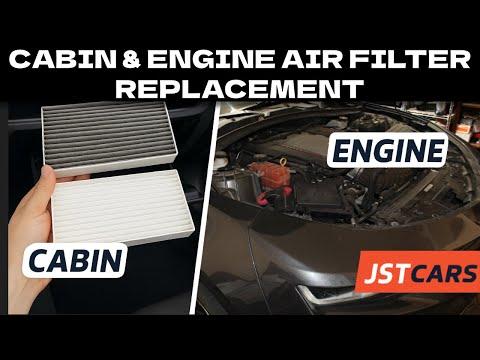





How to Replace Engine & Cabin Air Filters on a 2018 Chevy Camaro
Step-by-step DIY guide with tools, parts list, safety tips, and cost savings for Camaro air filter service
How to Replace Engine & Cabin Air Filters on a 2018 Chevy Camaro
Step-by-step DIY guide with tools, parts list, safety tips, and cost savings for Camaro air filter service


🔧 Camaro - Air Filter Replacement
This job is to replace the engine air filter and the cabin (interior) air filter
Difficulty Level: Beginner | Estimated Time: 0.75–1.0 hour total
⚠️ Safety & Precautions
- 🚗 Always park the Camaro on level ground, set the parking brake, and switch the engine off before starting.
- 🧊 Let the engine bay cool for at least 15–20 minutes if you were just driving; some parts near the airbox can get hot.
- 🔋 You do not need to disconnect the battery for this job.
- 📦 Keep track of all clips and screws so they don’t fall into the engine bay or behind trim panels.
- 😷 If you have dust allergies, wear a dust mask when handling the old filters.
🔧 Required Tools
You'll need the following tools for this repair:
- 🧰 8mm socket
- 🧰 10mm socket
- 🧰 1/4" drive ratchet
- 🧰 1/4" drive 6" extension
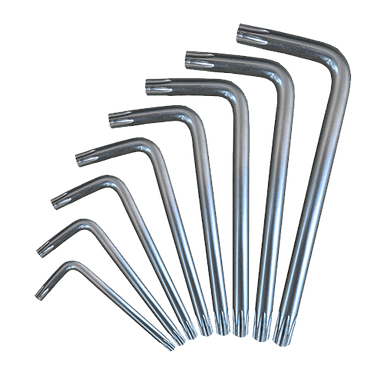
- 🧰 Torx T15 screwdriver
- 🧰 Flat trim removal tool (plastic)
- 🧰 Short Phillips #2 screwdriver
- 🧰 Work light or flashlight
- 🧰 Shop vacuum with small nozzle
- 🧤 Mechanic gloves
- 🕶️ Safety glasses
🔩 Required Parts
HowToo sells all the parts you need for this repair:
- 🧩 Engine air filter element - Qty: 1
- 🧩 Cabin air filter (HVAC filter) - Qty: 1
- 🧩 Dielectric grease (small packet, optional for electrical connectors) - Qty: 1
- 🧩 Disposable shop towels - Qty: 1 pack
📋 Before You Begin
- 🅿️ Park the Camaro on a flat surface, set the parking brake, and switch off the ignition. Remove the key or move the fob away from the car.
- 🎵 Turn off the HVAC system and radio before shutting down; this prevents unexpected blower operation while you work on the cabin filter.
- 🧊 Allow the engine to cool 15–20 minutes so you can work comfortably around the airbox.
- 🧹 Clear any items from the passenger footwell; you’ll be working under/behind the glove box for the cabin filter.
🔨 Step-by-Step Instructions
Follow these steps in order:
Step 1: Open the hood and locate the engine airbox
- Pull the interior hood release, then lift the hood and secure it with the hood prop.
- Locate the engine airbox on the passenger side of the engine bay; it’s a black plastic box with an intake duct going toward the front of the car.
- Take a quick photo of the airbox before opening.
Step 2: Loosen the intake duct clamp
- Use the 8mm socket and 1/4" drive ratchet to loosen the hose clamp where the rubber intake tube attaches to the airbox lid.
- Do not remove the clamp completely; just loosen it enough so the tube can slide off the airbox.
Step 3: Disconnect any attached sensors and clips
- On the intake tube near the airbox there is a sensor connector (mass airflow or intake air temp). Press the tab and gently pull the connector off by hand. If snug, you can help by gently prying the tab with the flat trim removal tool.
- Note the routing of any wiring clips attached to the airbox. Release them gently by hand or with the flat trim removal tool so they don’t crack.
- Do not pull on the wires themselves.
Step 4: Remove the airbox lid screws
- Use the Torx T15 screwdriver to remove the Torx screws holding the airbox lid. There are usually several around the perimeter of the lid.
- Place the screws in a small tray or on a clean towel so you don’t lose them.
Step 5: Lift off the airbox lid and remove the engine air filter
- Gently lift the airbox lid upward and slide it off the intake tube. If it feels stuck, wiggle it while pulling the intake tube off the lid.
- Lift out the old engine air filter by hand. Note which side faces up and the orientation of the rubber seal.
- Use the shop vacuum with small nozzle to clean any leaves or dirt from the bottom of the airbox. Do not vacuum the mass airflow sensor.
Step 6: Install the new engine air filter
- Place the new engine air filter into the airbox, matching the same orientation as the old filter. Make sure the rubber sealing edge seats evenly all the way around.
- Reposition the airbox lid and slide the intake tube back over the lid outlet.
- Use the Torx T15 screwdriver to reinstall all airbox lid screws. Tighten them snugly by hand; these are small screws and do not have a published torque spec, but do not overtighten.
- Use the 8mm socket and ratchet to snug the intake hose clamp. Again, firm but not crushing tight.
- Reconnect the sensor electrical connector by pushing it straight on until it clicks. Apply a tiny dab of dielectric grease inside the connector if you are using it.
- Give the intake tube a light twist; it should not move.
Step 7: Move to the cabin filter area (behind the glove box)
- Open the passenger door and fully open the glove box.
- Remove any items from the glove box so nothing falls out while it moves.
Step 8: Drop the glove box down for access
- On each side of the glove box, you’ll see plastic stops that prevent it from swinging all the way down. Gently push inward on the glove box sides to clear these stops while you lower the glove box.
- Some models have a small damper arm on the right side of the glove box. If present, gently unhook it by hand or with the flat trim removal tool.
- The glove box will tilt down, giving access to the plastic HVAC housing behind it.
Step 9: Remove the cabin filter access door
- Look behind the dropped glove box for a rectangular plastic cover on the HVAC housing. This is the cabin air filter door.
- Use your fingers or the flat trim removal tool to release the small tabs on the cover (usually on the sides). Swing or pull the cover off and set it aside.
Step 10: Remove the old cabin air filter
- Slide the old cabin filter straight out toward you. Pay attention to the direction of the arrow on the filter’s edge; it usually shows airflow direction (typically downward).
- Use the shop vacuum with small nozzle to carefully remove any leaves and dust from the filter slot. Do not push debris further into the HVAC unit.
- Take a photo of the arrow direction before tossing.
Step 11: Install the new cabin air filter
- Find the arrow on the new cabin filter. Align it to match the old filter’s airflow direction. On most Camaros, the arrow points down when installed.
- Slide the new filter straight into the slot. It may be a snug fit; gently compress the pleats with your fingers if needed so it sits fully inside the housing.
- Reinstall the cabin filter access door by hooking one side first, then snapping the tabs back into place by hand.
Step 12: Reinstall the glove box
- Lift the glove box back up into position.
- If your glove box has a damper arm, reconnect it by hand.
- Push the sides of the glove box inward slightly to get past the stops, then let it close normally.
- Return your items to the glove box.
Step 13: Final checks
- In the engine bay, visually confirm the airbox lid is fully seated, all screws are installed, the intake tube is on, and the sensor connector is attached.
- Close the hood securely.
✅ After Repair
- 🔑 Start the engine and let it idle. Listen for any unusual hissing near the airbox that might indicate an air leak. If you hear a loud hiss, recheck the intake tube clamp and lid fit.
- 🌬️ Turn on the HVAC blower and change between fresh air and recirculation. Check for good airflow and that there are no rattles behind the glove box.
- 👃 You may notice a slightly different smell at first from the new cabin filter; this is normal and will fade.
- 📅 Plan to replace the engine and cabin filters every 15,000–30,000 miles, or sooner if driving in dusty conditions.
💰 DIY vs Shop Cost
Shop Cost: $180–$260 (parts + labor for both filters)
DIY Cost: $40–$80 (parts only)
You Save: $140–$180 by doing it yourself!
Shop labor rates vary but typically run $100–$150/hour. This repair takes a shop approximately 0.5–0.7 hours.
🎯 Ready to get started?
HowToo makes it easy: same-day/2-day shipping on every part, plus all the tools and specialty tools you need! Check out the parts and tools sections above to add everything to your cart.