














2014-2019 Fiat 500L Alternator Replacement Guide: Tools, Steps & Torque Specs (Engine: Inline 4 1.4L)
2014-2019 Fiat 500L Alternator Replacement Guide: Tools, Steps & Torque Specs (Engine: Inline 4 1.4L)


500L - Alternator Replacement 🔧
Got it. I’ll walk you through replacing the alternator on your 500L. A couple quick questions to tailor the steps:
- 🔎 Do you have basic jack stands and a floor jack? (We’ll need to access the lower splash shield.)
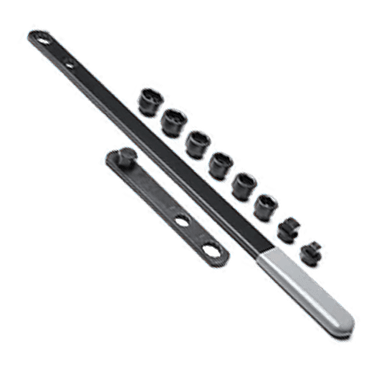
- 🧰 Do you have a serpentine belt tool or a long 3/8 in breaker bar? (A belt tool is a slim ratcheting lever that releases tension on the belt.)
Tools & Parts You’ll Need 🛠️
- 🧰 Parts: Alternator (1.4L MultiAir Turbo), new serpentine belt (recommended), new alternator bolts if TTY is specified on label (Torque-To-Yield bolts stretch once).
- 🧰 Hand tools: 8mm, 10mm, 13mm, 15mm sockets; E-Torx E12 (bracket), 3/8 in ratchet, long 3/8 in breaker bar or serpentine belt tool, torque wrench (inch-lb and ft-lb), flat trim tool.
- 🧰 Electrical: Small pick tool, dielectric grease (thin protective grease for electrical contacts).
- 🧰 Lifting: Floor jack, jack stands, wheel chocks.
- 🧰 Optional: 1/4 in wobble extensions for tight spaces, magnetic pickup.
- 🧰 Scan tool: Basic OBD-II to clear any transient charging codes after repair.
- 🧰 Safety: Safety glasses, gloves, fender cover.
Safety First ⚠️
- 🛑 Disconnect the negative battery cable before touching the alternator. The alternator cable is always live.
- 🧯 Let the engine cool completely. Hot turbo piping is close to your work area.
- 🧲 Support the car securely on jack stands if you raise it. Never rely on the jack.
Overview 🧭
On your 1.4L MultiAir Turbo, the alternator sits front-right of the engine, accessible from top and bottom. Belt removal uses the spring tensioner from below. You’ll remove the air intake duct for room, then the belt, then the alternator.
OEM-Style Procedure ✅
- 🔌 Prepare vehicle
- Note radio presets. Open hood. Wait 3 minutes for modules to sleep.
- Disconnect negative battery cable at battery using 10mm. Isolate it.
- Chock rear wheels. Raise front right. Remove front right wheel (17mm lug bolts). Remove the right front inner splash shield fasteners (Torx/10mm push pins) to access belt/tensioner.
- 🌬️ Remove air intake ducting (top)
- Loosen hose clamp at the airbox and turbo inlet (7mm). Unclip the air duct and lift out the upper duct for more space.
- 🌀 Relieve belt tension
- From the wheel-well opening, place the serpentine belt tool or long 3/8 in breaker bar on the tensioner’s square drive.
- Rotate tensioner clockwise to relieve tension and slide belt off the alternator pulley. Sketch belt routing or take a photo first.
- 🔋 Disconnect alternator wiring
- At the alternator, unplug the small regulator connector (depress tab). Use a pick gently if needed.
- Remove the main B+ cable nut (typically 13mm) and lift the cable off. Cap with tape to prevent contact.
- 🔩 Remove alternator
- Remove the upper mounting bolt (usually 15mm head).
- From below, remove the lower pivot bolt and any bracket fasteners (some builds use an E12 E-Torx support bolt).
- Work the alternator out upward past the intake duct space. You may need to tilt/rotate it; be patient in the tight bay.
- 🧼 Prep new alternator
- Compare pulleys and connectors. Transfer any rear insulator or spacers if present.
- Lightly clean mounting ears on the bracket. A thin film of anti-seize helps future removal.
- 🔧 Install alternator
- Position alternator. Install bolts finger-tight first to avoid cross-threading.
- Torque: Mounting bolts 41 ft-lb (55 N·m). Bracket E12 bolt 22 ft-lb (30 N·m). B+ terminal nut 89 in-lb (10 N·m). Regulator plug seats with a click—no torque.
- 🧵 Install belt
- Route belt per diagram under hood. Ensure ribs are seated in every pulley groove.
- Rotate tensioner clockwise, slip belt over alternator last, then slowly release tensioner.
- If belt shows cracks or glazing, replace it now.
- 🧱 Reassemble
- Reinstall inner splash shield and wheel. Torque lugs: 75 ft-lb.
- Reinstall air ducting and tighten clamps snug (about 30-40 in-lb; do not overtighten).
- 🔋 Reconnect battery
- Reconnect negative cable. Torque: 62 in-lb (7 N·m).
- 🧪 Post-repair checks
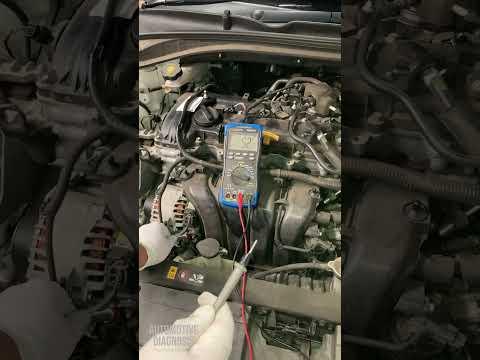
- Start engine. Measure charging voltage at battery: 13.5–14.7 V with lights and blower on.
- Confirm no belt chirp and the belt tracks centered. Clear any battery/charging codes if the lamp stayed on.
Tips & Tricks 💡
- 🧰 If the tensioner feels notchy or weak, replace it with the belt. It prevents future squeal.
- 🔧 A short wobble extension helps the lower bolt around tight turbo plumbing.
- 🧴 A dab of dielectric grease on the regulator plug keeps moisture out.
Infotainment/Settings 📱
- 🔊 After reconnecting the battery, you may need to reset the clock and radio presets via Uconnect: Settings → Clock & Date, then Settings → Audio for preferences.
What to Watch For 👀
- ⚡ If the battery light stays on, check the B+ terminal tightness and the small regulator plug.
- 🧪 Low voltage at idle with A/C on may point to a poor ground or failing battery—have the battery load-tested.
Want parts and tools? 🧩
HowToo makes it easy: same-day/2-day shipping on every part, plus all the tools and specialty tools you need!