














How to Replace Spark Plugs on a 2013 Honda CR-V 2.4L (Step-by-Step DIY)
Detailed DIY spark plug change guide with tools, parts list, torque specs, safety tips, and cost savings for your 2013 Honda CR-V 2.4L
How to Replace Spark Plugs on a 2013 Honda CR-V 2.4L (Step-by-Step DIY)
Detailed DIY spark plug change guide with tools, parts list, torque specs, safety tips, and cost savings for your 2013 Honda CR-V 2.4L


🔧 CR-V - Spark Plug Replacement
You’ll be replacing the four spark plugs on your CR-V’s 2.4L engine. This helps restore smooth running, better fuel economy, and easier starting, especially on an older engine.
Difficulty Level: Beginner-Intermediate | Estimated Time: 1–1.5 hours
⚠️ Safety & Precautions
- ⚠️ Work on a completely cool engine to avoid burns from hot metal and plastic parts.
- ⚠️ Keep metal tools away from the battery terminals to avoid short circuits.
- ⚠️ Do not pull on ignition coil wires; always pull on the plastic coil body.
- ⚠️ Use the correct spark plugs only; wrong type or over-tightening can damage the aluminum cylinder head.
- ⚠️ Battery disconnect is not required, but you can remove the negative cable with a 10mm wrench if you feel safer.
🔧 Required Tools
You'll need the following tools for this repair:
- 🛠️ 3/8" drive ratchet
- 🛠️ 10mm socket
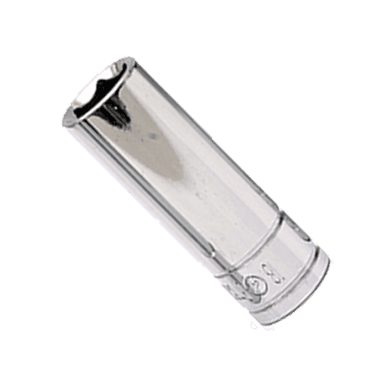
- 🛠️ 5/8" spark plug socket (with rubber insert)
- 🛠️ 3/8" drive extension bar 6"
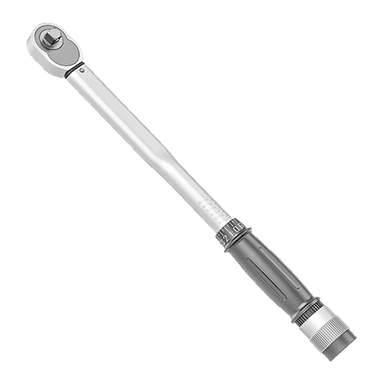
- 🛠️ 3/8" drive torque wrench (inch-lb or ft-lb capable)
- 🛠️ Flathead screwdriver small
- 🛠️ Needle-nose pliers
- 🛠️ Feeler gauge set 0.8–1.1 mm range
- 🛠️ Clean rag
- 🛠️ Flashlight
- 🛠️ Mechanic gloves
- 🛠️ Safety glasses
A spark plug socket is a special deep socket with rubber inside to hold the plug.
A torque wrench lets you tighten bolts to a precise force.
🔩 Required Parts
HowToo sells all the parts you need for this repair:
- 🔩 Iridium spark plugs (correct for 2.4L K24 engine) - Qty: 4
- 🔩 Dielectric grease (for ignition coils) - Qty: 1 small tube
- 🔩 Anti-seize compound (high-temp, nickel-based, optional) - Qty: 1 small tube
- 🔩 Throttle body/intake cleaner spray - Qty: 1 (optional, for cleaning around area)
- 🔩 Shop towels or paper towels - Qty: 1 pack
Dielectric grease is a special non-conductive grease to prevent moisture in electrical connectors.
📋 Before You Begin
- Park your CR-V on level ground, shift to P, and set the parking brake.
- Turn the engine off and remove the key. Let the engine cool for at least 30–45 minutes.
- Open the hood and secure the hood prop rod.
- If you want extra safety, disconnect the negative battery cable using a 10mm socket, and tuck the cable away.
- Lay a towel over the front bumper to protect the paint while you lean in.
🔨 Step-by-Step Instructions
Follow these steps in order:
Step 1: Locate the ignition coils and engine cover
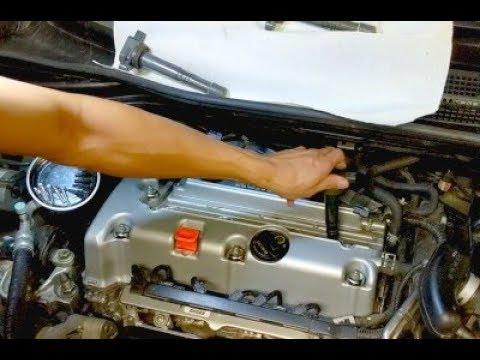
- Open the hood and look at the top of the engine; you’ll see a plastic cover with “i-VTEC” on it.
- Under this cover are four black ignition coils—one for each spark plug.
- If your engine cover is held by clips, gently pry them with a flathead screwdriver and lift the cover off.
- If there are bolts holding the cover, remove them with a 10mm socket and lift the cover.
Step 2: Clean the area around the coils
- Use a clean rag to wipe dirt and dust from around the ignition coils.
- If it’s very dusty, lightly spray throttle body/intake cleaner on the rag (not directly on the engine) and wipe.
- Keeping dirt out of spark plug holes is very important.
Step 3: Unplug the ignition coil connector
- Pick one coil to start with; always do one cylinder at a time so you don’t mix anything up.
- On top of the coil, find the electrical connector with a plastic tab.
- Press down on the tab with your thumb or a small flathead screwdriver and gently pull the connector straight off the coil.
- If it’s stuck, wiggle the connector a bit while pressing the tab—do not pull on the wires.
Step 4: Remove the ignition coil
- Each coil is held down by a small bolt (usually 10mm head).
- Use a 10mm socket and 3/8" ratchet to loosen and remove the coil bolt. Set the bolt aside safely.
- Grip the coil by the plastic top and gently twist while pulling upward to remove it from the spark plug well.
- If it feels stuck, twist gently more; do not use pliers on the plastic body.
Step 5: Remove the old spark plug
- Insert the 5/8" spark plug socket with the 6" extension into the spark plug well until you feel it seat on the spark plug.
- Attach the 3/8" ratchet to the extension and turn counterclockwise to loosen the spark plug.
- Once it’s loose, spin the extension by hand until the plug is fully out.
- Carefully lift the plug out; the rubber insert in the spark plug socket should hold it.
- Do not drop anything into the spark plug hole.
Step 6: Check and prepare the new spark plug
- Take a new spark plug from the box and compare it to the old one to confirm same length, thread size, and tip style.
- Use a feeler gauge to gently check the gap between the center and side electrodes.
- For your CR-V, gap should be around 1.0–1.1 mm (0.039–0.043"). Most iridium plugs are pre-gapped—just confirm; do not bend the fine iridium tip.
- If you choose to use anti-seize, apply a tiny, thin smear of anti-seize compound to the plug threads only, avoiding the tip and electrode.
- Too much anti-seize can affect torque; use very sparingly.
Step 7: Install the new spark plug
- Place the new spark plug into the 5/8" spark plug socket (rubber side) and lower it straight down the spark plug well.
- Thread the spark plug by hand using only the extension (no ratchet at first) by turning clockwise.
- Make sure it turns easily; if it feels tight or cross-threaded, back it out and start again.
- Once snug by hand, attach the torque wrench to the extension.
- Tighten to 18 N·m (13 ft-lb). Do not overtighten; the cylinder head is aluminum and can be damaged.
Step 8: Reinstall the ignition coil
- Put a tiny dab of dielectric grease inside the rubber boot at the bottom of the coil (the end that goes over the spark plug).
- Slide the coil straight down into the spark plug well until it seats on the plug.
- Reinstall the coil bolt by hand, then tighten with the 10mm socket and ratchet.
- Tighten the coil bolt to about 9 N·m (80 in-lb)—snug, not very tight.
- Reconnect the electrical connector to the coil until you hear/feel a click.
Step 9: Repeat for the remaining three spark plugs
- Repeat Steps 3–8 for each of the remaining three coils and plugs, working one cylinder at a time.
- Always fully finish one plug (remove coil, swap plug, reinstall coil and connector) before moving to the next.
Step 10: Reinstall engine cover and reconnect battery
- Once all four plugs and coils are done, reposition the plastic engine cover.
- If it uses bolts, install and tighten them using a 10mm socket until snug.
- If you disconnected the battery earlier, reconnect the negative cable using a 10mm socket and tighten snugly.
- Make sure no tools or rags are left in the engine bay, then close the hood securely.
✅ After Repair
- Start the engine and let it idle. It should start easily and idle smoothly without shaking or misfiring.
- Listen for any unusual ticking or hissing sounds around the engine; if you hear something odd, shut off and recheck coil connections and plug tightness.
- Take a short, gentle test drive. Acceleration should feel smooth with no hesitation.
- Your radio presets or clock may need to be reset if you disconnected the battery.
💰 DIY vs Shop Cost
Shop Cost: $180–$280 (parts + labor)
DIY Cost: $40–$80 (parts only, depending on plug brand)
You Save: $140–$200 by doing it yourself!
Shop labor rates vary but typically run $100–$150/hour. This repair takes a shop approximately 0.8–1.0 hours.
🎯 Ready to get started?
HowToo makes it easy: same-day/2-day shipping on every part, plus all the tools and specialty tools you need! Check out the parts and tools sections above to add everything to your cart.