









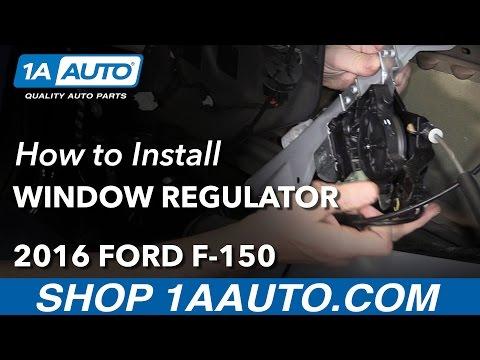





2016 Ford F-150 Window Regulator Replacement Guide (Front Door—No Rear Regulators)
Step-by-step front window regulator install with tools, parts list, safety tips, and torque specs
2016 Ford F-150 Window Regulator Replacement Guide (Front Door—No Rear Regulators)
Step-by-step front window regulator install with tools, parts list, safety tips, and torque specs


🔧 F-150 - Window Regulator Replacement
On your F-150 Standard Cab, there are no rear door windows, so it does not use rear window regulators. Below is the correct DIY procedure to replace a front door window regulator (driver or passenger), which is the window regulator your truck is equipped with.
Difficulty Level: Intermediate | Estimated Time: 1.5-3 hours
⚠️ Safety & Precautions
- ⚠️ Disconnect the battery negative cable before working in the door (side airbag wiring may be present).
- ⚠️ Support the window glass with tape before unbolting it so it can’t drop and shatter.
- ⚠️ Wear safety glasses and gloves; sharp metal edges inside the door are common.
- ⚠️ Keep the key away from the truck while connectors are unplugged.
🔧 Required Tools
You'll need the following tools for this repair:
- Safety glasses
- Mechanic gloves
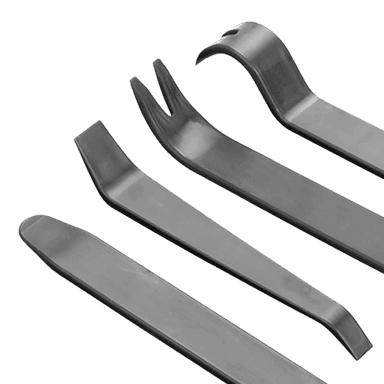
- Trim removal tool set
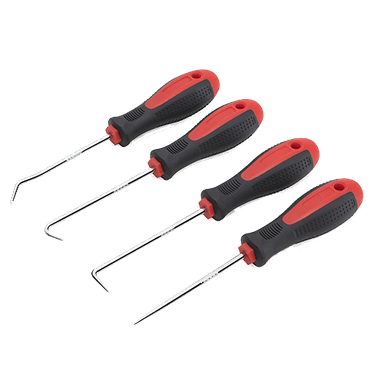
- Pick tool
- 7mm socket
- 8mm socket
- 10mm socket
- 1/4" ratchet
- 1/4" extension (6")
- Torx T20 driver
- Torx T25 driver
- Painters tape
- Torque wrench (inch-pound)
- Flashlight
🔩 Required Parts
HowToo sells all the parts you need for this repair:
- Front window regulator assembly (driver or passenger side) - Qty: 1
- Door panel retainer clips - Qty: 1 set
- Water shield butyl tape (vapor barrier adhesive) - Qty: 1
📋 Before You Begin
- Park on level ground, shift to Park, and remove the key.
- Lower the window to about halfway (if possible) so the glass clamp bolts are accessible.
- Disconnect the battery negative cable using a 10mm socket, then wait 10 minutes before unplugging door wiring.
- Set painters tape nearby to hold the glass once it’s loose.
🔨 Step-by-Step Instructions
Follow these steps in order:
Step 1: Remove the door trim panel
- Use a trim removal tool set to gently pry up the window/lock switch bezel.
- Unplug the switch connector(s). Use a pick tool to lift the small locking tabs if needed. Lock tab = the little plastic “clip” on the plug.
- Remove visible screws using a 7mm socket and/or Torx T20 driver (locations typically include the pull handle and trim covers).
- Use the trim removal tool set to pop the panel clips around the edges, then lift the panel upward to unhook it from the window ledge.
- Disconnect any remaining connectors (speaker/courtesy light) and set the panel aside.
Step 2: Remove the vapor barrier (water shield)
- Use a trim removal tool set to carefully peel back the vapor barrier.
- Use a flashlight to check for wiring clips attached to the barrier and release them gently.
- Keep the barrier clean; you’ll reseal it with butyl tape later.
Step 3: Support the window glass
- Use painters tape to secure the glass to the door frame (run several long strips over the top of the glass and onto the outside of the door).
- If the glass is stuck down, you may need to temporarily reconnect the switch, reconnect the battery, move the window, then disconnect the battery again. Use a 10mm socket for the battery terminal.
Step 4: Separate the glass from the regulator
- Through the door access openings, locate the regulator-to-glass clamp bolts.
- Use an 8mm socket or 10mm socket (varies by regulator design) to loosen/remove the clamp bolts.
- Once loose, lift the glass fully by hand and add more painters tape to hold it up securely.
Step 5: Remove the regulator (and motor if included)
- Unplug the window motor connector.
- Remove the regulator/motor fasteners using a 10mm socket and 1/4" ratchet.
- Carefully maneuver the regulator out through the largest door opening. Go slow to avoid bending it.
Step 6: Install the new regulator
- Slide the new regulator into the door and start all bolts by hand.
- Tighten the regulator bolts using a 10mm socket.
- Torque to 9 Nm (80 in-lbs) for regulator/motor fasteners. If your new regulator includes different hardware, follow its spec.
- Plug in the window motor connector.
Step 7: Reattach the glass to the regulator
- Lower the glass carefully until it sits in the regulator clamps (remove tape gradually as you lower it).
- Install/tighten the glass clamp bolts using an 8mm socket or 10mm socket.
- Torque to 10 Nm (89 in-lbs) for the glass clamp bolts.
Step 8: Quick function check (before reassembly)
- Reconnect the battery negative cable using a 10mm socket.
- Plug in the window switch and cycle the window up/down while watching for smooth travel.
- Disconnect the battery negative cable again using a 10mm socket before reinstalling the vapor barrier and panel.
Step 9: Reinstall the vapor barrier and door panel
- Apply water shield butyl tape and press the vapor barrier back into place firmly all the way around.
- Reconnect all door panel electrical connectors.
- Hang the door panel on the top ledge, then press in the clips around the perimeter by hand.
- Reinstall screws using a 7mm socket and/or Torx T20 driver.
- Reinstall trim covers and the switch bezel using the trim removal tool set.
✅ After Repair
- Reconnect the battery negative cable using a 10mm socket.
- Reset auto-up/auto-down (if equipped): run the window all the way down and hold the switch 2 seconds, then run it all the way up and hold 2 seconds.
- Confirm the window seals tightly and doesn’t tilt, bind, or click.
- Check that door locks, mirror controls, and speakers work (if equipped).
💰 DIY vs Shop Cost
Shop Cost: $350-$750 (parts + labor)
DIY Cost: $90-$250 (parts only)
You Save: $260-$500 by doing it yourself!
Shop labor rates vary but typically run $100-$150/hour. This repair takes a shop approximately 1.5-3 hours.
🎯 Ready to get started?
HowToo makes it easy: same-day/2-day shipping on every part, plus all the tools and specialty tools you need! Check out the parts and tools sections below to add everything to your cart.