














How to Replace the Front Door Lock Actuator on a 2008 Honda Accord
Step-by-step door panel removal, latch/actuator install, tools, parts, and 80 in-lb (9 Nm) torque spec
How to Replace the Front Door Lock Actuator on a 2008 Honda Accord
Step-by-step door panel removal, latch/actuator install, tools, parts, and 80 in-lb (9 Nm) torque spec


🔧 Accord - Front Door Lock Actuator Replacement
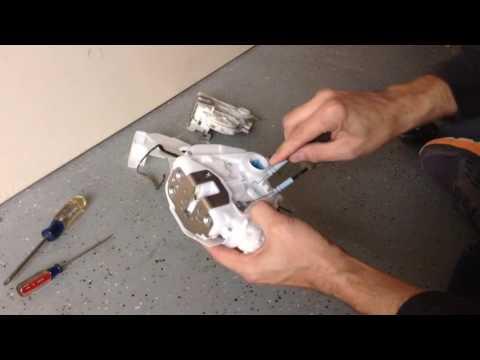
The front door lock actuator is the small motor/gear unit that locks and unlocks your door when you use the key fob, door switch, or key. On your Accord, it’s typically replaced as part of the door latch/actuator assembly inside the door.
Difficulty Level: Intermediate | Estimated Time: 1.5-3.0 hours
⚠️ Safety & Precautions
- ⚠️ Work with the window fully up so the glass is out of your way.
- ⚠️ Disconnect the negative battery cable before unplugging door wiring to prevent shorts and accidental airbag/SRS warnings.
- ⚠️ Use trim tools to avoid cracking the door panel and clips.
- ⚠️ Don’t tear the vapor barrier (water shield); it keeps rainwater off electronics.
🔧 Required Tools
You'll need the following tools for this repair:
- 10mm socket
- 1/4" ratchet
- 6" extension (1/4")
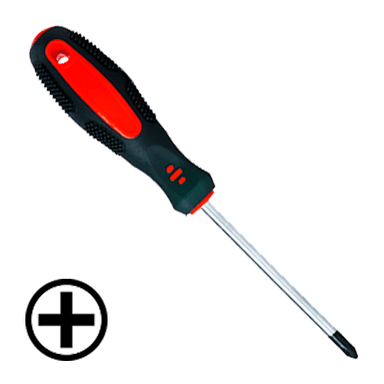
- Phillips #2 screwdriver
- Phillips #3 screwdriver
- Plastic trim removal tool set
- Needle-nose pliers
- Pick tool
- Torque wrench (in-lb)
- Painter’s tape
- Butyl tape (automotive)
- Work gloves
- Safety glasses
🔩 Required Parts
HowToo sells all the parts you need for this repair:
- Front door lock actuator/latch assembly - Qty: 1
- Door panel push clips - Qty: 4-10
- Vapor barrier butyl sealant - Qty: 1
📋 Before You Begin
- Park on level ground and remove the key.
- Open the front door you’re repairing and lower the window slightly, then raise it fully (you want the glass fully up).
- Use 10mm socket to disconnect the negative battery cable, then wait 3 minutes.
- Put painter’s tape along the door edge/paint where tools might rub.
🔨 Step-by-Step Instructions
Follow these steps in order:
Step 1: Remove the front door panel
- Use a plastic trim removal tool set to gently pry off the small trim covers hiding screws (usually in the pull handle area and behind the inside door handle trim).
- Use a Phillips #2 screwdriver to remove the exposed screws.
- Use a plastic trim removal tool set to pop the panel clips loose around the bottom/sides of the door panel.
- Lift the door panel straight up to unhook it from the window ledge.
- Unplug the electrical connectors using the pick tool to lift locking tabs if needed. Don’t pull on wires.
Step 2: Remove the vapor barrier (water shield)
- Carefully peel the vapor barrier back using your hands and a plastic trim removal tool set.
- If the sticky sealer stretches, plan to renew it with butyl tape (automotive) during reassembly.
Step 3: Disconnect the latch/actuator electrical connector
- Locate the latch/actuator connector near the rear of the door (toward the latch).
- Press the connector lock and unplug it by hand; use a pick tool gently if the tab is stubborn.
Step 4: Disconnect the inside handle cable/rods
- At the inside handle area, you’ll see a cable/rod going to the latch.
- Use needle-nose pliers to rotate the small plastic retaining clip off the rod, then lift the rod out.
- If your door uses a cable end, unhook the cable end from the lever by hand. Take a photo first.
Step 5: Remove the latch/actuator from the door
- At the rear edge of the door (where the latch meets the body), remove the 3 latch mounting screws using a Phillips #3 screwdriver.
- Support the latch inside the door so it doesn’t drop and scratch paint.
- Maneuver the latch/actuator assembly out through the access opening and remove it from the door.
Step 6: Transfer parts if needed and install the new actuator/latch
- Compare the old and new latch/actuator assemblies to confirm the connectors and levers match.
- Slide the new latch/actuator assembly into position inside the door.
- Install the 3 latch screws by hand first, then tighten using a Phillips #3 screwdriver and finish with a torque wrench (in-lb): Torque to 80 in-lb (9 Nm).
- Reconnect the inside handle rod/cable and snap the plastic retainer clip fully closed using needle-nose pliers if needed.
- Plug in the latch/actuator connector until it clicks.
Step 7: Reinstall the vapor barrier and door panel
- Press the vapor barrier back into place. Use butyl tape (automotive) anywhere the original seal is no longer sticky or has gaps.
- Reconnect all door panel electrical connectors by hand.
- Hang the door panel on the top lip (window ledge) and press it down into place.
- Press the panel clips in around the edges using your hands.
- Reinstall screws using a Phillips #2 screwdriver, then reinstall trim covers with a plastic trim removal tool set.
Step 8: Reconnect the battery
- Reconnect the negative battery cable using a 10mm socket.
✅ After Repair
- Test from the driver switch: lock/unlock the repaired door 10+ times.
- Test with the key fob: lock/unlock, confirm the knob moves smoothly and fully.
- Test both handles: inside and outside should open the door normally.
- Confirm the window and mirror switches work (if applicable).
- Listen for binding: if it sounds strained, recheck rod/cable routing and clip seating.
💰 DIY vs Shop Cost
Shop Cost: $350-$650 (parts + labor)
DIY Cost: $90-$220 (parts only)
You Save: $260-$430 by doing it yourself!
Shop labor rates vary but typically run $100-$150/hour. This repair takes a shop approximately 1.5-3.0 hours.
🎯 Ready to get started?
HowToo makes it easy: same-day/2-day shipping on every part, plus all the tools and specialty tools you need! Check out the parts and tools sections below to add everything to your cart.