














How to Replace Ignition Coils on a 2018 Honda CR-V 2.4L
Step-by-step DIY ignition coil replacement with tools, parts list, torque specs, safety tips, and cost savings
How to Replace Ignition Coils on a 2018 Honda CR-V 2.4L
Step-by-step DIY ignition coil replacement with tools, parts list, torque specs, safety tips, and cost savings


🔧 CR-V - Ignition Coil Replacement
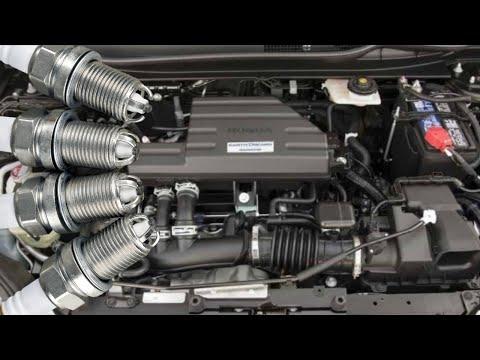
You’ll be removing the plastic engine cover, unplugging each ignition coil, and swapping them with new ones on your CR-V. Ignition coils sit on top of the engine and create the high voltage needed to fire the spark plugs.
Difficulty Level: Beginner | Estimated Time: 0.75–1.5 hours
⚠️ Safety & Precautions
- 🛑 Always work with the engine completely cool to avoid burns.
- 🛑 Turn the ignition OFF and remove the key before starting.
- 🛑 Disconnect the negative battery terminal to prevent accidental short circuits or check-engine lights while unplugging sensors.
- 🛑 Keep tools and parts away from the serpentine belt and fans at the front of the engine.
- 🛑 Do not pull on wires; always press the connector tab to unplug electrical plugs.
🔧 Required Tools
You'll need the following tools for this repair:
- 🧰 10mm socket
- 🧰 1/4" drive ratchet
- 🧰 3" extension (1/4" drive)
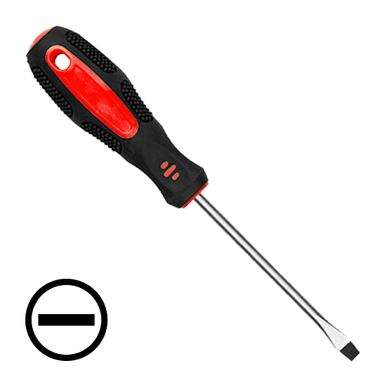
- 🧰 Small flathead screwdriver
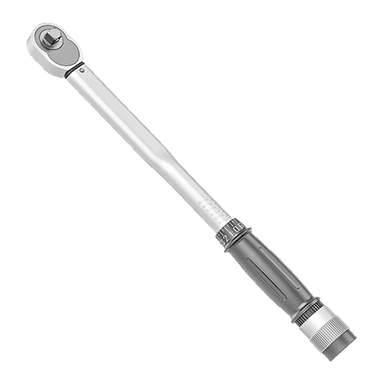
- 🧰 Torque wrench (inch-lb or low-range ft-lb)
- 🧰 Fender cover or thick towel
- 🧰 Mechanic gloves
- 🧰 Safety glasses
- 🧰 OBD2 scan tool (basic code reader)
🔩 Required Parts
HowToo sells all the parts you need for this repair:
- 🔩 Ignition coil set (2.4L, coil-on-plug) - Qty: 4
- 🔩 Dielectric grease (tune-up grease) - Qty: 1 small tube
- 🔩 Battery terminal protector spray - Qty: 1 (optional)
- 🔩 Shop towels or rags - Qty: 2–4
📋 Before You Begin
- Park your CR-V on level ground, shift to Park, and set the parking brake.
- Let the engine cool for at least 30–45 minutes if it was running.
- Open the hood and use the hood prop rod to secure it.
- Locate the battery on the left side of the engine bay as you face the car.
🔨 Step-by-Step Instructions
Follow these steps in order:
Step 1: Disconnect the battery
- Use the 10mm socket and 1/4" drive ratchet to loosen the nut on the negative (black, “-”) battery terminal.
- Lift the negative cable off the battery post and tuck it to the side so it cannot spring back.
- Always remove negative cable first for safety.
Step 2: Remove the plastic engine cover
- The engine cover is the large plastic piece on top of the engine with the Honda logo.
- Grip the front edge of the cover with both hands and pull straight up firmly to pop it off the rubber grommets.
- Lift the rear of the cover and remove it from the engine bay; set it aside somewhere safe.
- It is held by rubber clips, no screws.
Step 3: Locate the ignition coils
- On the now-exposed metal valve cover, you’ll see four black rectangular units in a row; these are the ignition coils.
- Each coil has an electrical connector and a single small bolt holding it down.
- Work on one coil at a time to avoid confusion.
Step 4: Unplug the first ignition coil
- Pick the coil at one end of the row (cylinder 1 is typically at the timing belt/chain end, but order does not matter for coil replacement).
- Use your fingers or a small flathead screwdriver to gently press down on the locking tab of the electrical connector.
- While holding the tab down, pull the connector straight back off the coil; do not yank on the wires.
- If stuck, wiggle gently while pulling.
Step 5: Remove the ignition coil bolt
- Use the 10mm socket, 3" extension, and 1/4" drive ratchet to remove the single bolt holding the coil to the valve cover.
- Turn the bolt counterclockwise until it comes out; keep it in a safe place so it does not fall into the engine bay.
Step 6: Remove the ignition coil
- Grip the top of the ignition coil and pull straight up to remove it from the spark plug well.
- If it feels stuck, gently twist it left and right while pulling up.
- Inspect the coil boot (the rubber tube) for oil or heavy carbon; oil here can indicate a valve cover gasket leak.
Step 7: Prepare the new ignition coil
- Take a new ignition coil from the box.
- Put a very thin film of dielectric grease inside the rubber boot opening where it will slide over the spark plug.
- Use only a small amount, not a glob.
Step 8: Install the new ignition coil
- Insert the new coil straight down into the spark plug well; push until it seats firmly onto the spark plug.
- Make sure the bolt hole on the coil lines up with the threaded hole on the valve cover.
- Install the original 10mm bolt by hand a few turns to avoid cross-threading.
- Use the 10mm socket and ratchet to snug the bolt down.
- Use the torque wrench with the 10mm socket to tighten the bolt to 12 Nm (8.7 ft-lbs).
- Do not overtighten; threads are in aluminum.
Step 9: Reconnect the coil electrical connector
- Push the electrical connector straight onto the coil until you hear or feel a “click.”
- Lightly tug on the connector to be sure it is locked in place.
Step 10: Repeat for the remaining three coils
- Repeat Steps 4–9 for each of the remaining three ignition coils, one at a time.
- Always fully finish one coil (remove, replace, reconnect) before starting the next; this helps avoid mixing connectors.
Step 11: Reinstall the engine cover
- Position the plastic engine cover over the engine so the rubber grommets line up with the mounting posts.
- Press down firmly at each corner until the cover snaps into place on the rubber mounts.
Step 12: Reconnect the battery
- Place the negative battery cable back onto the negative battery post.
- Use the 10mm socket and ratchet to tighten the negative terminal nut until snug; do not overtighten.
- If using battery terminal protector spray, apply a light coat now.
Step 13: Start the engine and check operation
- Start your CR-V and let it idle.
- The engine should run smoothly, without shaking, misfiring, or flashing check engine light.
- If the check engine light stays on, use the OBD2 scan tool to read and clear codes, then see if they return.
- If a code for one cylinder returns, recheck that coil’s connector.
✅ After Repair
- Let the engine warm up and verify smooth idle and normal acceleration on a short test drive.
- Use an OBD2 scan tool to clear any stored misfire codes (for example, P0301–P0304) if present.
- After the test drive, re-open the hood and double-check that the engine cover is secure and all connectors appear fully seated.
- Over the next few days, pay attention to fuel economy and engine response; they should be at least as good as before, often better.
💰 DIY vs Shop Cost
Shop Cost: $350–$550 (parts + labor)
DIY Cost: $120–$260 (parts only, full set of 4 coils)
You Save: $230–$290 by doing it yourself!
Shop labor rates typically run $100–$150/hour. This repair takes a shop approximately 0.7–1.0 hours.
🎯 Ready to get started?
HowToo makes it easy: same-day/2-day shipping on every part, plus all the tools and specialty tools you need! Check out the parts and tools sections above to add everything to your cart.