












How to Replace the Front Door Lock Actuator on a 2015 Jeep Wrangler
Step-by-step door panel removal, latch/actuator swap, required tools/parts, and function testing tips
How to Replace the Front Door Lock Actuator on a 2015 Jeep Wrangler
Step-by-step door panel removal, latch/actuator swap, required tools/parts, and function testing tips


🔧 Wrangler - Front Door Lock Actuator Replacement
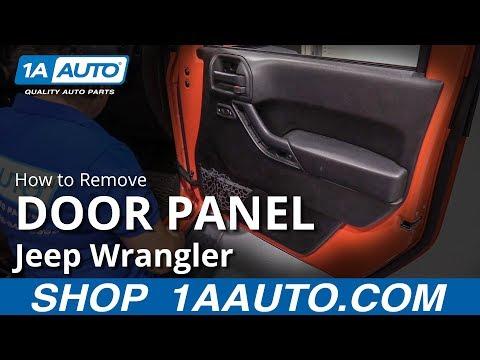
The front door lock actuator is the electric motor/gear unit that locks and unlocks your door. On your Wrangler, it’s typically part of (or attached to) the door latch assembly inside the door, so you’ll remove the interior door panel, peel back the water shield, then swap the actuator/latch and reconnect the rods and wiring.
Difficulty Level: Intermediate | Estimated Time: 1.5-3.0 hours
Assumption: Steps cover both 2-door and 4-door front doors; hardware locations are very similar.
⚠️ Safety & Precautions
- ⚠️ Work with the window fully up to avoid broken glass and sharp edges.
- ⚠️ Disconnect the negative battery cable to prevent accidental lock cycling while your fingers are inside the door.
- ⚠️ The door’s inner metal edges are sharp—wear gloves.
- ⚠️ Don’t tear the water shield (moisture barrier). It prevents water leaks and electrical issues.
🔧 Required Tools
You'll need the following tools for this repair:
- Safety glasses
- Mechanic gloves
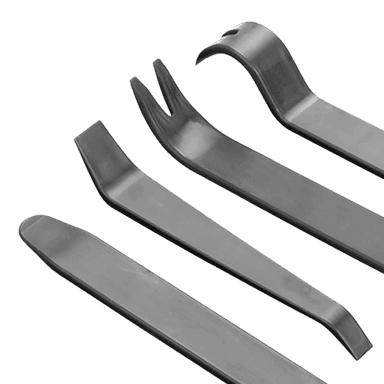
- Trim removal tool set
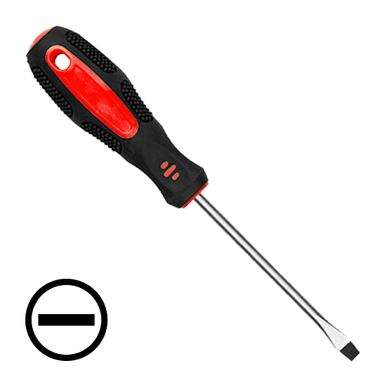
- Small flathead screwdriver
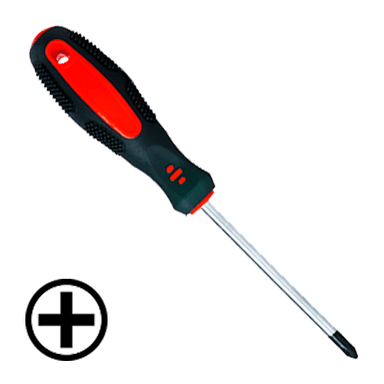
- Phillips screwdriver
- Torx T20 screwdriver
- Torx T30 screwdriver
- 1/4" drive ratchet
- 3/8" drive ratchet
- 7mm socket
- 8mm socket
- 10mm socket
- 6" extension
- Needle-nose pliers
- Pick tool set
- Torque wrench (inch-pound)
- Flashlight
- Painter’s tape
- Butyl rope roller or plastic squeegee
🔩 Required Parts
HowToo sells all the parts you need for this repair:
- Front door lock actuator (left or right, as applicable) - Qty: 1
- Front door latch assembly - Qty: 1 (only if actuator is integrated)
- Door panel retainer clips - Qty: 6-12 (replace any that break)
- Butyl tape (moisture barrier adhesive) - Qty: 1
📋 Before You Begin
- Park on level ground, transmission in neutral, and set the parking brake.
- Use painter’s tape to protect the painted door edge and the door handle area from tool slips.
- Use a 10mm socket to disconnect the negative battery cable and move it aside so it can’t spring back.
- Have a clean spot ready for screws/clips in the order you remove them.
🔨 Step-by-Step Instructions
Follow these steps in order:
Step 1: Remove the interior door handle trim
- Use a trim removal tool set or small flathead screwdriver to gently pry off the trim bezel around the inside door handle.
- If you use a flathead, wrap the tip with painter’s tape first. Prevents scratches.
Step 2: Remove the window/lock switch panel
- Use a trim removal tool set to pop up the switch panel from the armrest.
- Disconnect the electrical connectors by pressing the locking tabs (use a pick tool set if the tab is stubborn).
Step 3: Remove door panel screws
- Remove visible screws in the pull handle/armrest area using a Phillips screwdriver and/or 7mm socket with a 1/4" drive ratchet.
- Remove any Torx fasteners near the handle area using a Torx T20 screwdriver (some panels use Torx here).
Step 4: Release the door panel clips and lift the panel off
- Slide a trim removal tool set under the bottom edge of the panel and pry outward to pop the clips free (work around the perimeter).
- Lift the whole door panel straight upward to unhook it from the window channel.
- Disconnect any remaining wiring (courtesy light/speaker) using needle-nose pliers only if needed to help with stubborn connectors.
Step 5: Peel back the moisture barrier (water shield)
- Use your hands and a plastic squeegee to slowly peel the barrier back.
- Keep the butyl adhesive clean; if it strings or won’t reseal later, plan to use butyl tape.
Step 6: Disconnect the latch/actuator electrical connector
- Locate the latch/actuator wiring near the rear edge of the door.
- Press the connector lock tab and disconnect it (use a pick tool set carefully if the tab is tight).
Step 7: Detach the lock and handle rods/cables
- Find the metal rods going to the latch (lock rod and handle rod).
- Use a pick tool set to flip the small plastic retaining clips open, then lift the rod out of its socket.
- A “retaining clip” is the little plastic latch that holds the rod in place.
Step 8: Remove the latch/actuator assembly from the door
- On the door’s rear edge (where the door latches to the body), remove the latch mounting screws using a Torx T30 screwdriver.
- Support the latch with your other hand inside the door so it doesn’t drop.
- If the exterior handle must be loosened for clearance, remove the handle nuts using an 8mm socket with a 1/4" drive ratchet and 6" extension.
- Carefully maneuver the latch/actuator out through the largest access opening using a flashlight to guide you.
Step 9: Swap the actuator (or replace the latch/actuator as a unit)
- If your replacement is the actuator only, remove the actuator from the latch using the appropriate fasteners (commonly Torx T20 screwdriver).
- If the actuator is integrated, replace the entire door latch assembly instead (no disassembly needed—install the new unit).
Step 10: Reinstall the latch/actuator and reconnect rods
- Guide the latch back into position and start the rear-edge screws by hand.
- Tighten the latch mounting screws with a Torx T30 screwdriver and finish with a torque wrench (inch-pound) if you have the OEM torque spec.
- Reconnect the rods and snap each plastic retaining clip fully closed using your fingers or needle-nose pliers (gentle pressure only).
- Reconnect the electrical connector until it clicks.
Step 11: Function test before reinstalling the door panel
- Reconnect the negative battery cable using a 10mm socket.
- Test: lock/unlock switch, key fob (if equipped), inside handle, and outside handle.
- If the lock works backwards or binds, recheck rod routing and that each clip is fully seated.
- Disconnect the negative battery cable again using a 10mm socket before final reassembly.
Step 12: Reseal the moisture barrier and reinstall the door panel
- Press the moisture barrier back into the butyl using a plastic squeegee; add butyl tape where needed to fully seal.
- Reconnect door wiring connectors.
- Hang the door panel on the top lip first, then press clips in around the perimeter with your hands.
- Reinstall screws using a Phillips screwdriver and/or 7mm socket.
- Reinstall the switch panel and handle trim using a trim removal tool set.
✅ After Repair
- Reconnect the negative battery cable using a 10mm socket.
- Verify: door locks from switch and key fob, inside/outside handle operation, and that the door opens/closes smoothly.
- Check for wind noise or water leaks after your next drive/wash—reseal the moisture barrier if needed.
💰 DIY vs Shop Cost
Shop Cost: $250-$550 (parts + labor)
DIY Cost: $60-$220 (parts only)
You Save: $190-$330 by doing it yourself!
Shop labor rates vary but typically run $100-$150/hour. This repair takes a shop approximately 1.5-3.0 hours.
🎯 Ready to get started?
HowToo makes it easy: same-day/2-day shipping on every part, plus all the tools and specialty tools you need! Check out the parts and tools sections below to add everything to your cart.