









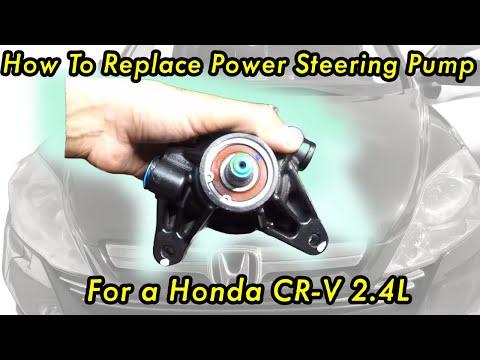






How to Replace the Power Steering Pump on a 2011 Honda CR-V (DIY Guide)
Step-by-step instructions with tools, parts list, torque specs, fluid bleeding, and leak checks
How to Replace the Power Steering Pump on a 2011 Honda CR-V (DIY Guide)
Step-by-step instructions with tools, parts list, torque specs, fluid bleeding, and leak checks


🔧 CR-V - Power Steering Pump Replacement
Replacing the power steering pump fixes whining, hard steering, or fluid leaks coming from the pump area. On your CR-V, the pump is belt-driven and has a high-pressure line (banjo bolt) plus a low-pressure inlet hose.
Difficulty Level: Intermediate | Estimated Time: 2-4 hours
⚠️ Safety & Precautions
- ⚠️ Work on a cool engine; the exhaust and fluid can burn you.
- ⚠️ Support the vehicle with jack stands if you lift it; never rely on a jack.
- ⚠️ Keep power steering fluid off the serpentine belt and pulleys (it can cause slipping).
- ⚠️ Do not use ATF; use Honda-approved power steering fluid only.
- 🔋 Battery disconnect is recommended to prevent accidental cranking while hands are near the belt.
🔧 Required Tools
You'll need the following tools for this repair:
- Safety glasses
- Nitrile gloves
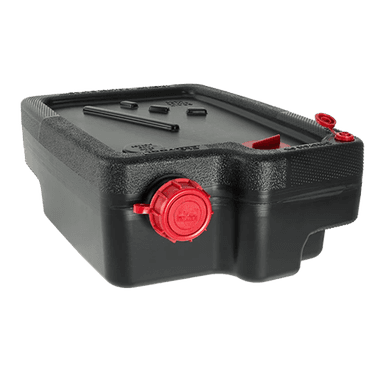
- Drain pan (at least 2-quart)
- Shop rags
- Floor jack (rated 3-ton minimum)
- Jack stands (rated 3-ton minimum)
- Wheel chocks
- 10mm socket
- 12mm socket
- 14mm socket
- 3/8" drive ratchet
- 3/8" drive extension set
- Torque wrench (10–80 ft-lbs range)
- 10mm wrench
- 12mm wrench
- 14mm wrench
- Hose clamp pliers
- Line wrench set
- Trim clip tool
- Funnel
- Pulley puller/installer set (specialty)
🔩 Required Parts
HowToo sells all the parts you need for this repair:
- Power steering pump - Qty: 1
- Power steering pressure line crush washers - Qty: 2
- Power steering pump inlet O-ring - Qty: 1
- Honda-approved power steering fluid - Qty: 2 quarts
- Serpentine belt - Qty: 1 Optional if belt is cracked
📋 Before You Begin
- Park on level ground, set the parking brake, and chock the rear wheels.
- Use a 10mm socket to disconnect the negative battery cable.
- Place a drain pan under the pump area to catch fluid.
- If you raise the front for easier access, use a floor jack and support with jack stands.
🔨 Step-by-Step Instructions
Follow these steps in order:
Step 1: Remove any covers for access
- If equipped, remove the upper plastic covers or air ducting near the pump using a trim clip tool and 10mm socket.
- Lay shop rags under the pump to protect other components from fluid drips.
Step 2: Drain the power steering reservoir (basic drain)
- Remove the reservoir cap by hand.
- Use hose clamp pliers to slide the return-hose clamp back, then pull the return hose off the reservoir nipple.
- Point the hose into a drain pan and let it drain. Use shop rags to catch spills.
- Reinstall the return hose temporarily to keep dripping under control.
Step 3: Release belt tension and remove the belt from the pump pulley
- Locate the serpentine belt tensioner.
- Use a 14mm wrench (or 14mm socket and ratchet) on the tensioner hex and rotate to relieve tension.
- Slide the belt off the power steering pump pulley.
- Tip: Snap a quick photo of belt routing.
Step 4: Disconnect the low-pressure inlet hose at the pump
- Use hose clamp pliers to move the clamp back.
- Twist and pull the hose off the pump inlet. Catch fluid in the drain pan.
- Inspect/replace the pump inlet O-ring (a rubber sealing ring that prevents leaks) as part of reassembly.
Step 5: Disconnect the high-pressure line (banjo fitting) from the pump
- Place shop rags under the fitting.
- Use a line wrench or the correct socket to remove the banjo bolt at the pump.
- Remove and discard the two old crush washers (one on each side of the banjo fitting).
Step 6: Unbolt and remove the power steering pump
- Remove the pump mounting bolts using a 12mm socket and ratchet.
- Lift the pump out carefully and keep it upright to avoid extra spilling.
Step 7: Pulley transfer (only if your new pump does not include a pulley)
- Use a pulley puller/installer set (specialty) (a tool that presses/pulls the pulley on/off without damage) to remove the pulley from the old pump.
- Use the same pulley puller/installer set (specialty) to press the pulley onto the new pump.
- Make sure the pulley sits flush/aligned like the original so the belt tracks correctly.
Step 8: Install the new pump
- Set the new pump into place.
- Install the mounting bolts by hand first, then tighten using a 12mm socket and torque wrench.
- Torque to 22 N·m (16 ft-lbs) for the pump mounting bolts.
Step 9: Reconnect the high-pressure banjo fitting with new crush washers
- Install the banjo bolt with new crush washers: one washer between bolt head and fitting, one washer between fitting and pump.
- Tighten using the correct socket and then a torque wrench.
- Torque to 34 N·m (25 ft-lbs) for the banjo bolt.
Step 10: Reconnect the low-pressure inlet hose with a new O-ring
- Install the new inlet O-ring on the pump inlet (lightly wet it with fresh power steering fluid).
- Push the hose fully onto the inlet, then position the clamp using hose clamp pliers.
Step 11: Reinstall the serpentine belt
- Route the belt correctly.
- Rotate the tensioner using a 14mm wrench and slip the belt onto the power steering pulley.
- Visually confirm the belt is centered in every pulley groove.
Step 12: Refill and bleed the power steering system
- Fill the reservoir with Honda-approved power steering fluid using a funnel to the MAX line.
- With the engine OFF, turn the steering wheel slowly from lock-to-lock 10–15 times (don’t hold it hard against the stop).
- Check fluid level and top off as needed.
- Reconnect the battery using a 10mm socket.
- Start the engine and let it idle; keep the cap off and watch for bubbles/foam.
- Turn lock-to-lock a few more times, then recheck and set level to the correct mark.
- Tip: Foamy fluid means air still inside.
✅ After Repair
- With the engine running, check carefully for leaks at the inlet hose and the banjo bolt area.
- Road test at low speed first. Steering should be smooth and quiet.
- Recheck the reservoir level after the test drive and again the next morning.
- If the belt squeals, recheck for fluid on the belt and confirm pulley alignment.
💰 DIY vs Shop Cost
Shop Cost: $450-$850 (parts + labor)
DIY Cost: $180-$450 (parts only)
You Save: $270-$400 by doing it yourself!
Shop labor rates vary but typically run $100-$150/hour. This repair takes a shop approximately 2-4 hours.
🎯 Ready to get started?
HowToo makes it easy: same-day/2-day shipping on every part, plus all the tools and specialty tools you need! Check out the parts and tools sections below to add everything to your cart.