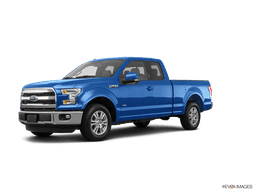














How to Replace the A/C Compressor on a 2016 Ford F-150 (Step-by-Step)
Detailed DIY guide with tools, parts list, safety tips, torque specs, and recharge steps for your 2016 F-150 A/C compressor replacement
How to Replace the A/C Compressor on a 2016 Ford F-150 (Step-by-Step)
Detailed DIY guide with tools, parts list, safety tips, torque specs, and recharge steps for your 2016 F-150 A/C compressor replacement


F-150 - A/C Compressor Replacement ❄️
On your F-150, the A/C system uses high‑pressure refrigerant. By law and for safety, refrigerant must be recovered with proper A/C equipment, not vented to the air.
I’ll give you the full OEM-style procedure, but I strongly recommend:
- 🔧 Have a shop recover the refrigerant first, then you do the mechanical work, then have them vacuum and recharge the system.
F-150 - Parts You’ll Typically Need 📦
- 🧊 A/C compressor assembly (for 5.0L, with correct clutch/pulley)
- 🧴 PAG oil (Ford spec for your system; compressor often comes pre-filled—verify amount)
- 🧪 New receiver/drier or desiccant bag (often integrated in the condenser on these trucks)
- 🧪 Orifice tube (Ford recommends replacing when compressor fails)
- 🧵 New O-rings for any line you disconnect (A/C‑rated, green HNBR)
- 📏 R-134a refrigerant (charge amount is on the under‑hood label)
F-150 - Tools Required 🛠️
- 🔧 Socket set (metric): 8mm–15mm, 3/8" ratchet, extensions
- 🔧 Wrenches (metric): 10mm–15mm
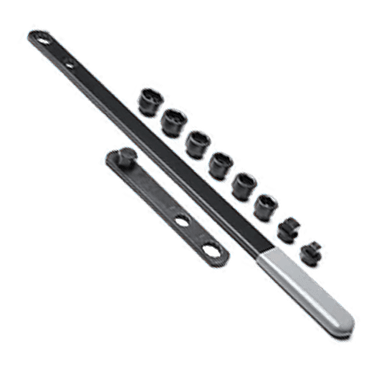
- 🔧 Belt tool / long-handled breaker bar for the serpentine belt tensioner
- 🔧 Torque wrench (10–80 Nm / 7–60 lb‑ft range)
- 🧰 Plastic trim tool (for any clips you move; avoids breaking plastic)
- 🧰 A/C manifold gauge set (for checking pressures if you recharge yourself)
- 🧰 Refrigerant recovery machine & vacuum pump (shop-grade; usually at a workshop)
- 🧰 O-ring pick (small hook tool to remove O‑rings)
- 🧤 Safety gear: gloves, safety glasses
If you don’t have recovery/vacuum equipment, stop before opening any A/C line and let a shop handle those steps.
F-150 - Safety Notes ⚠️
- ⚠️ Refrigerant can cause frostbite and eye injury. Always wear eye protection and gloves.
- ⚠️ Never vent refrigerant to the atmosphere. It’s illegal and dangerous.
- ⚠️ Disconnect the negative battery cable before working near the compressor and starter area.
- ⚠️ Work on a cool engine to avoid burns.
F-150 - System Prep (Shop / A/C Machine Steps) 🧯
If a shop is doing the A/C machine work, these are the steps they’ll follow:
- 🧊 Connect high and low side service hoses to the service ports.
- 🧊 Use the machine to recover all refrigerant from the system.
- 🧊 Verify system is at 0 psi before you open any lines.
F-150 - Accessing the Compressor 🔍
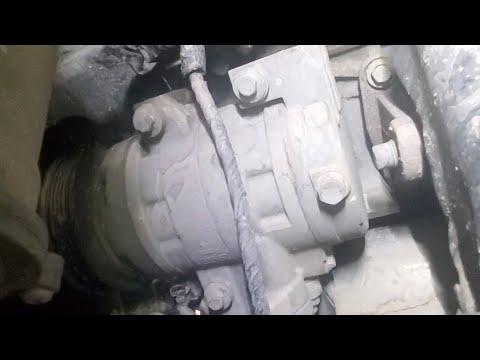
On the 5.0L, the compressor is mounted low on the front of the engine, passenger side.
- 🔧 Park on level ground, set the parking brake, and chock a rear wheel.
- 🔧 Disconnect the negative battery cable (10mm).
- 🔧 Remove any lower splash shield or skid plate if equipped (usually 8mm/10mm bolts).
- 🔧 Note the serpentine belt routing (take a photo or use the under‑hood diagram).
- 🔧 Use a breaker bar on the belt tensioner to relieve tension and slip the belt off the A/C compressor pulley. You don’t need to fully remove the belt from all pulleys, just off the compressor.
F-150 - Disconnecting A/C Lines & Wiring 🌡️
- 🔌 Unplug the compressor electrical connector (clutch/control plug).
- 🔧 Clean around the refrigerant line fittings on the compressor with a clean rag so dirt doesn’t enter.
- 🔧 Remove the line retaining bolts at the compressor (typically 8mm or 10mm).
- 🔧 Gently pull the refrigerant lines away from the compressor. Some wiggling is normal; don’t pry hard on aluminum lines.
- 🔧 Remove and discard the old O-rings from the line ends using an O‑ring pick.
- 🧴 Plug or cap the open lines and compressor ports to keep moisture and dirt out.
F-150 - Removing the Compressor 🧱
- 🔧 Support the compressor with one hand while you remove the mounting bolts (usually 3–4 bolts, 13mm).
- 🔧 Remove the bolts and carefully lower the compressor out of the engine bay. You may need to work from below.
Typical torque spec (check your exact engine build):
- 🔧 Compressor mounting bolts: about 25–30 lb‑ft (34–40 Nm)
- 🔧 Refrigerant line bolts at compressor: about 8–10 lb‑ft (11–14 Nm)
Use these as a guide; if you have access to Ford service data, follow those exact numbers.
F-150 - Preparing the New Compressor 🧴
- 🔍 Check if the new compressor is pre-filled with oil. The label or instructions will say.
- 🔧 If oil is included, you may need to drain and measure it to match Ford’s required system oil amount (often around 7–8 oz total system, but follow the under‑hood label or compressor instructions).
- 🔧 If the old compressor failed catastrophically (metal shavings), the system should be flushed and the condenser replaced. This is usually a shop job.
- 🧴 Lightly coat new O-rings with clean PAG oil before installation. This helps them seal and not tear.
F-150 - Installing the New Compressor 🔩
- 🔧 Position the new compressor in place on the bracket.
- 🔧 Install the mounting bolts finger‑tight first.
- 🔧 Torque the compressor mounting bolts evenly to about 25–30 lb‑ft (34–40 Nm).
- 🔧 Install the refrigerant lines onto the new compressor with new O‑rings in place.
- 🔧 Install and torque the line bolts to about 8–10 lb‑ft (11–14 Nm). Do not overtighten; you can crush the O‑rings.
- 🔌 Reconnect the compressor electrical connector.
F-150 - Reinstalling the Belt & Shields 🔁
- 🔧 Route the serpentine belt according to the diagram.
- 🔧 Use the tensioner to slip the belt back over the A/C compressor pulley. Make sure the belt sits correctly in all pulley grooves.
- 🔧 Reinstall any lower splash shields or skid plates you removed.
- 🔧 Reconnect the negative battery cable.
F-150 - Evacuating & Recharging the System 🧊
This is normally done with an A/C machine at a shop:
- 🧊 Connect the high and low side hoses to the service ports.
- 🧊 Pull a vacuum on the system for at least 30 minutes to remove air and moisture.
- 🧊 Close valves and verify the system holds vacuum (no major leaks).
- 🧊 Charge the system with the exact amount of R‑134a listed on the under‑hood label (by weight, using a scale).
F-150 - Post-Repair Checks ✅
- 🚗 Start the engine and turn A/C to MAX, recirculate, fan high.
- 🧊 Verify the compressor clutch engages and cycles normally.
- 🧊 Check for cold air at the vents after a few minutes.
- 🔍 Inspect all line connections at the compressor and elsewhere for signs of oil or dye leaks.
F-150 - Infotainment / Settings (A/C Behavior) 📱
Your truck doesn’t require special programming for the compressor, but you can check:
- 📱 On the center screen, verify climate control is set to allow A/C (A/C button illuminated).
- 📱 If equipped with dual-zone climate, make sure both sides are set to cold for testing.
DIY vs Shop Tip 💡
Best compromise for a beginner:
- 🔧 Have a shop recover refrigerant.
- 🔧 You replace the compressor (and orifice tube/drier if needed).
- 🔧 Shop then vacuum and recharge the system and check for leaks.
HowToo makes it easy: same-day/2-day shipping on every part, plus all the tools and specialty tools you need! You can view and add the correct compressor, O‑rings, and A/C tools to your cart from the tools and parts section.
If you tell me whether your old compressor locked up or just stopped cooling, I can advise if you also need to replace the orifice tube and condenser on your F-150.