









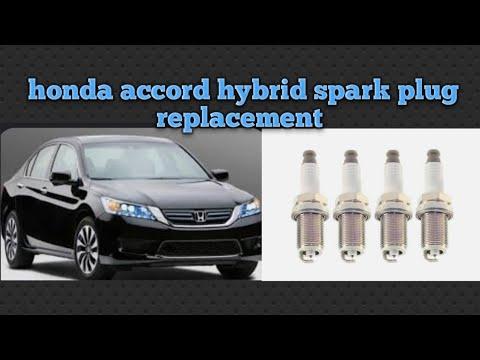





How to Replace Spark Plugs on a 2022 Honda Accord 2.0L Hybrid
Step-by-step DIY spark plug change with tools, parts list, torque specs, safety tips, and cost savings
How to Replace Spark Plugs on a 2022 Honda Accord 2.0L Hybrid
Step-by-step DIY spark plug change with tools, parts list, torque specs, safety tips, and cost savings


🔧 Accord - Spark Plug Replacement
You’ll be replacing the four spark plugs on your Accord’s 2.0L hybrid engine. This helps restore smooth starting, better fuel economy, and stable idling. We’ll remove the ignition coils, swap the plugs, and reassemble everything carefully.
Difficulty Level: Beginner | Estimated Time: 1–1.5 hours
⚠️ Safety & Precautions
- ⚠️ Hybrid safety: Do not touch any orange high‑voltage cables or connectors; they carry dangerous voltage even with the car “OFF”.
- ⚠️ Make sure the power button is OFF, transmission in Park, and parking brake applied before starting.
- ⚠️ Keep the key fob at least 3–4 meters away so the system cannot wake up while you work.
- ⚠️ Allow the engine to cool fully; hot aluminum cylinder heads can be damaged if plugs are removed while hot.
- ⚠️ Disconnect the 12V battery negative terminal to prevent the engine from cranking unexpectedly.
- ⚠️ Work in a well‑ventilated area and keep loose clothing, jewelry, and hair away from moving parts.
🔧 Required Tools
You'll need the following tools for this repair:
- 🛠️ 10mm socket
- 🛠️ 3/8" drive ratchet
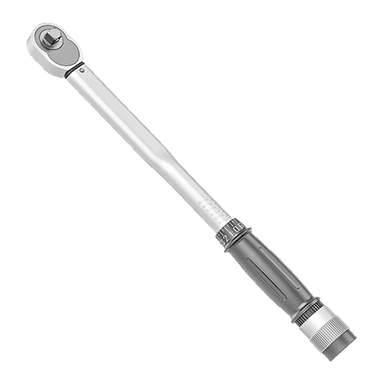
- 🛠️ 3/8" drive torque wrench (5–60 Nm range)
- 🛠️ 14mm spark plug socket (with rubber insert or magnet)
- 🛠️ 3/8" drive extension bar (6"–10")
- 🛠️ Flat trim clip remover tool
- 🛠️ Small flathead screwdriver
- 🛠️ Needle-nose pliers
- 🛠️ Torque screwdriver (light-duty) or small 1/4" drive ratchet
- 🛠️ Clean shop rag
- 🛠️ Compressed air can or small hand air pump
- 🛠️ Mechanic’s gloves
- 🛠️ Safety glasses
🔩 Required Parts
HowToo sells all the parts you need for this repair:
- 🔩 Iridium spark plugs (correct spec for 2.0L hybrid) - Qty: 4
- 🔩 Dielectric grease (for ignition coil boots) - Qty: 1 small tube
- 🔩 Throttle body/intake cleaner spray - Qty: 1 (optional, for light cleaning around area)
- 🔩 Shop towels - Qty: 1 pack
📋 Before You Begin
- Park the Accord on a level surface, shift to Park, apply the parking brake, and turn the power button OFF.
- Open the hood and secure it with the prop rod.
- Wait at least 10–15 minutes for the engine to cool if it was running.
- Disconnect the 12V battery negative terminal:
- Loosen the negative cable nut with a 10mm socket and move the cable aside so it cannot spring back.
- Always pull coils straight up to avoid damage.
🔨 Step-by-Step Instructions
Follow these steps in order:
Step 1: Remove the engine cover
- The plastic engine cover is on top of the engine, with “Honda” on it.
- Grip it with both hands and pull straight up; it is held by rubber grommets pressed onto metal posts.
- If it feels stuck, gently pry near a corner with your flat trim clip remover tool, then lift by hand.
- Set the cover aside in a safe place.
Step 2: Locate ignition coils and clean the area
- The ignition coils are the four black units on top of the engine, each with a small electrical connector—one per spark plug.
- Use a clean shop rag to wipe loose dirt around the coils and plug wells.
- Blow out debris from around the coil bases using a compressed air can to prevent dirt from falling into the cylinders.
- Clean around each coil before removing it.
Step 3: Disconnect ignition coil connectors
- Each coil has a small plastic electrical connector with a locking tab.
- Press down on the tab with your thumb or a small flathead screwdriver and gently pull the connector straight off the coil.
- If a connector is stubborn, gently wiggle while pressing the tab; do not pull on the wires.
Step 4: Remove ignition coils
- Each coil is held by one small bolt.
- Use a 10mm socket and 3/8" ratchet to remove the bolt from the first coil and set the bolt aside.
- Grip the top of the coil and pull it straight up; you may need to twist slightly to break the seal of the rubber boot.
- Repeat for all four coils, keeping track of which coil came from which cylinder if you like, although swapping is usually fine when coils are healthy.
Step 5: Remove old spark plugs
- Insert the 14mm spark plug socket onto your extension bar and 3/8" ratchet.
- Carefully lower the socket straight down into the first plug well until it seats on the spark plug.
- Turn the ratchet counterclockwise to loosen the plug. It may be a bit tight at first, then should spin out smoothly.
- Once loose, spin it out by hand using the extension only, then pull the plug out; the rubber insert or magnet in the plug socket should hold it.
- Repeat for all four spark plugs.
- If a plug feels stuck, do not force it.
Step 6: Inspect old plugs (quick check)
- Look at the tip of each old plug:
- Light tan/gray = normal wear.
- Heavy oil, wet fuel, or broken tips may indicate other engine issues.
- Do not reuse old plugs; this is just a quick health check.
Step 7: Prepare new spark plugs
- Your new iridium plugs come pre-gapped from the factory for this engine; avoid bending the tiny center electrode.
- Check each plug visually to ensure the ceramic insulator is not cracked and the threads are clean.
- Do not use anti‑seize on these plugs; Honda designs the threads to be installed dry, and anti‑seize can cause over‑tightening.
- If you’d like, you can very lightly spray a bit of cleaner on a shop towel and wipe the threads, but they should already be clean.
Step 8: Install new spark plugs
- Attach the first new plug to the 14mm spark plug socket and extension, and lower it straight into the plug well.
- Start threading the plug by hand only (turn the extension with your fingers) to avoid cross‑threading. It should spin in easily.
- When you feel it seat, attach the 3/8" ratchet and snug it gently.
- Now use your torque wrench set to 24 Nm (18 ft‑lbs) and tighten the plug until the wrench clicks once.
- Repeat for all four spark plugs.
- If threads feel rough, back out and restart by hand.
Step 9: Prepare ignition coils
- Inspect the rubber boots on each coil for cracks or carbon tracking (black burn marks). Replace any damaged coil before reinstalling.
- Apply a very small amount of dielectric grease inside the tip of each boot; this helps sealing and future removal, and protects against moisture.
Step 10: Reinstall ignition coils
- Insert the first coil straight down into its spark plug well until it fully seats on the new plug.
- Install the coil retaining bolt by hand, then tighten with a 10mm socket and ratchet.
- Use your torque wrench (or light 1/4" drive ratchet) to tighten each coil bolt to 9 Nm (80 in‑lbs). Do not overtighten; these are small bolts into aluminum.
- Repeat for all four coils.
Step 11: Reconnect ignition coil connectors
- Push the electrical connector onto each coil until you hear or feel a click.
- Gently tug each connector to ensure it is fully locked into place.
Step 12: Reinstall engine cover
- Align the engine cover’s rubber grommets with the metal posts on the engine.
- Press down firmly over each mounting point until the cover snaps into place.
Step 13: Reconnect the 12V battery
- Place the negative battery cable back on the negative terminal.
- Tighten the nut with a 10mm socket until snug; do not overtighten.
✅ After Repair
- Bring the key fob back to the car.
- Start the Accord normally. It may crank slightly longer the first start after work; this is OK if it quickly settles into a smooth idle.
- Listen for any misfires (shaking, stumbling) or warning lights on the dash. If the MIL (check engine light) flashes or stays on, shut off and recheck coil connectors.
- Take a short test drive:
- Check for smooth acceleration and no hesitation.
- Verify no warning lights appear while driving.
- Back home, open the hood and visually confirm nothing is loose or left behind.
💰 DIY vs Shop Cost
Shop Cost: $250–$400 (parts + labor)
DIY Cost: $70–$120 (parts only)
You Save: $180–$300 by doing it yourself!
Shop labor rates vary but typically run $100–$150/hour. This repair takes a shop approximately 0.8–1.0 hours.
🎯 Ready to get started?
HowToo makes it easy: same-day/2-day shipping on every part, plus all the tools and specialty tools you need! Check out the parts and tools sections above to add everything to your cart.