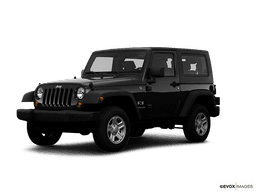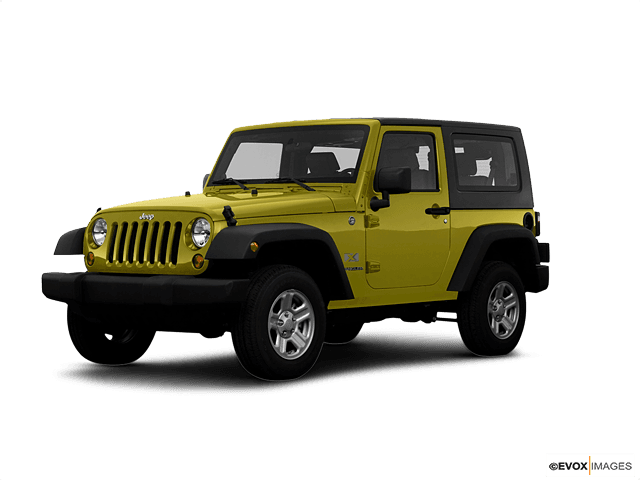









![How To Replace Jeep JK Power Steering Pump and O2 Sensors [2007-2011 Jeep Wrangler 3.8]](/_next/image?url=https%3A%2F%2Fimg.youtube.com%2Fvi%2FSEP51DNP_fE%2Fhqdefault.jpg&w=1200&q=75)







How to Replace the Power Steering Pump on a 2008 Jeep Wrangler (DIY Guide)
Step-by-step instructions with required tools/parts, ATF+4 fill & bleed procedure, and torque specs
How to Replace the Power Steering Pump on a 2008 Jeep Wrangler (DIY Guide)
Step-by-step instructions with required tools/parts, ATF+4 fill & bleed procedure, and torque specs


🔧 Wrangler - Power Steering Pump Replacement
The power steering pump supplies hydraulic pressure so your steering stays light and smooth. Replacing it involves removing the serpentine belt, disconnecting the steering hoses, swapping the pump (and pulley if needed), then refilling and bleeding the system to prevent noise and foaming.
Difficulty Level: Intermediate | Estimated Time: 2-4 hours
⚠️ Safety & Precautions
- ⚠️ Work on a cool engine; keep hands clear of the fan and belt path.
- ⚠️ Support the front with jack stands before turning the steering with wheels off the ground.
- ⚠️ Power steering fluid is slippery and flammable; wipe spills immediately.
- ⚠️ Keep all hose ends and fittings clean; dirt can ruin the new pump.
- ⚠️ Battery disconnect is recommended: remove the negative battery terminal (10mm) to prevent accidental cranking.
🔧 Required Tools
You'll need the following tools for this repair:
- Safety glasses
- Nitrile gloves
- Floor jack (rated 3-ton minimum)
- Jack stands (rated 3-ton minimum)
- Wheel chocks
- Drain pan (at least 2-gallon)
- Turkey baster-style fluid extractor
- Shop rags
- Metric socket set (10mm, 13mm, 15mm)
- Metric wrench set (10mm, 13mm, 15mm)
- Line wrench set (16mm, 18mm)
- Serpentine belt tool or 15mm long-handle wrench
- Hose clamp pliers
- Trim clip tool
- Torque wrench (10–100 ft-lbs)
- Power steering pulley puller/installer set (specialty)
- Funnel
🔩 Required Parts
HowToo sells all the parts you need for this repair:
- Power steering pump - Qty: 1
- Power steering pump pulley - Qty: 1 (only if yours is damaged or replacement pump doesn’t include one)
- Power steering pressure hose O-ring/seal kit - Qty: 1
- Power steering return hose clamp - Qty: 1 (optional, if original is weak/rusted)
- Power steering fluid (ATF+4) - Qty: 2 quarts
- Serpentine belt - Qty: 1 (optional, if cracked/glazed)
📋 Before You Begin
- Park on level ground, set the parking brake, and chock the rear wheels.
- Disconnect the battery: use a 10mm socket to remove the negative terminal and tuck it aside.
- Raise the front axle so both front tires are off the ground; support with jack stands. This makes bleeding easier.
- Use a turkey baster-style fluid extractor to remove as much old fluid as possible from the reservoir.
🔨 Step-by-Step Instructions
Follow these steps in order:
Step 1: Gain access to the pump
- If an air intake snorkel/resonator blocks access, remove clips with a trim clip tool and loosen clamps with a 10mm socket, then move it aside.
- Place a drain pan under the pump area.
Step 2: Remove the serpentine belt from the power steering pulley
- Use a serpentine belt tool or 15mm long-handle wrench to rotate the belt tensioner and relieve tension.
- Slip the belt off the power steering pulley, then slowly release the tensioner.
- Tip: Take a photo of belt routing first.
Step 3: Drain the pump reservoir and disconnect the return hose
- Use hose clamp pliers to slide the return-hose clamp back on the hose.
- Twist and pull the return hose off the pump/reservoir nipple by hand (use a shop rag to catch fluid).
- Plug the hose end with a clean rag to limit dripping and keep dirt out.
Step 4: Disconnect the pressure line (high-pressure hose)
- Use a line wrench (usually 16mm or 18mm) to loosen the pressure line fitting at the pump.
- Once loose, finish by hand and direct the line into the drain pan.
- Remove and discard the old O-ring/seal from the fitting (use a clean rag; do not scratch sealing surfaces).
Step 5: Unbolt and remove the power steering pump
- Remove the pump mounting bolts using a 13mm socket (some brackets use 15mm).
- Support the pump with one hand and remove the last bolt, then lift the pump out.
Step 6: Transfer the pulley (only if your new pump doesn’t come with one)
- Use a power steering pulley puller/installer set (specialty) to pull the pulley off the old pump.
- Use the same set to press the pulley onto the new pump shaft.
- The pulley must sit straight and at the correct depth; align it so the belt tracks perfectly with the other pulleys.
- Tip: Never hammer the pulley on.
Step 7: Install the new pump
- Position the new pump and hand-start all mounting bolts.
- Tighten evenly with a 13mm socket.
- Torque to 41 Nm (30 ft-lbs) for the power steering pump mounting bolts.
Step 8: Reconnect the pressure and return lines
- Install a new pressure-line O-ring/seal (from your kit), then thread the fitting in by hand.
- Tighten the pressure fitting using a line wrench (16mm or 18mm) and torque to 27 Nm (20 ft-lbs).
- Push the return hose fully onto the nipple, then reposition the clamp with hose clamp pliers.
Step 9: Reinstall the serpentine belt
- Route the belt correctly, then use the serpentine belt tool or 15mm long-handle wrench to move the tensioner.
- Slip the belt onto the last pulley and slowly release the tensioner.
- Visually confirm the belt is seated in every pulley groove.
Step 10: Fill and bleed the power steering system
- Fill the reservoir with ATF+4 using a funnel to the “COLD” level.
- Engine OFF: turn the steering wheel slowly from lock-to-lock about 15–20 times. Add fluid as the level drops.
- Reconnect the battery negative terminal using a 10mm socket.
- Start the engine and let it idle. Slowly turn lock-to-lock 5–10 more times. Do not hold at full lock.
- Shut the engine off, wait 2 minutes, then recheck fluid. Top off to the correct mark.
- If the fluid looks foamy, let it sit 15–30 minutes and repeat the bleeding steps.
✅ After Repair
- With the engine idling, inspect the pump, pressure fitting, and return hose for leaks using a flashlight (use your shop rags to wipe and re-check).
- Road test at low speed first. Steering should be quiet with no whining.
- Recheck fluid level after the test drive and again the next day.
- Dispose of old fluid properly (most parts stores accept waste fluids).
💰 DIY vs Shop Cost
Shop Cost: $450-$900 (parts + labor)
DIY Cost: $160-$350 (parts only)
You Save: $290-$550 by doing it yourself!
Shop labor rates vary but typically run $100-$150/hour. This repair takes a shop approximately 2-4 hours.
🎯 Ready to get started?
HowToo makes it easy: same-day/2-day shipping on every part, plus all the tools and specialty tools you need! Check out the parts and tools sections below to add everything to your cart.