








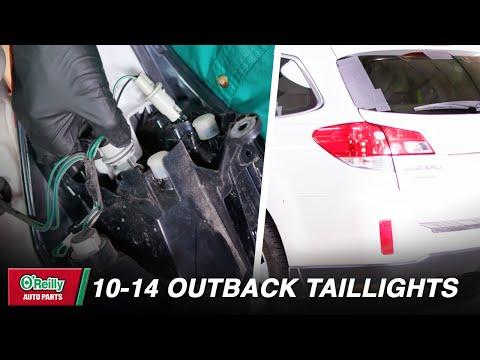





How to Replace Both Taillight Bulbs on a 2013 Subaru Outback (Brake/Tail, Turn, Reverse)
Step-by-step tail lamp removal, bulb types, required tools/parts, safety tips, and post-repair testing
How to Replace Both Taillight Bulbs on a 2013 Subaru Outback (Brake/Tail, Turn, Reverse)
Step-by-step tail lamp removal, bulb types, required tools/parts, safety tips, and post-repair testing


🔧 Outback - Taillight Bulb Replacement
You’ll remove each rear lamp assembly, twist out the bulb socket, and swap in the correct bulb. This is usually needed when a bulb is burned out or flickering, or you’ve got a warning on the dash.
Difficulty Level: Beginner | Estimated Time: 0.5-1.0 hours
⚠️ Safety & Precautions
- ⚠️ Turn the lights OFF and remove the key before starting.
- ⚠️ Let bulbs cool; they can be hot right after use.
- ⚠️ Don’t touch new halogen bulb glass with bare fingers; skin oil can shorten bulb life. Use nitrile gloves or a clean rag.
- ⚠️ Support the lamp as you pull it out; don’t yank on wiring.
- ⚠️ Battery disconnect is not required for this job, but it’s OK to disconnect if you prefer extra safety.
🔧 Required Tools
You'll need the following tools for this repair:
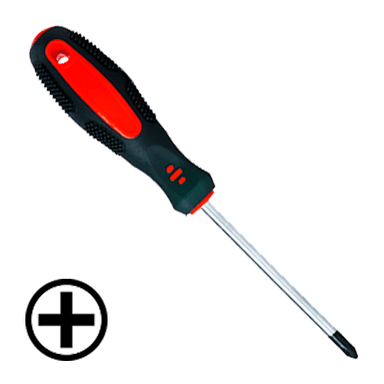
- Phillips #2 screwdriver
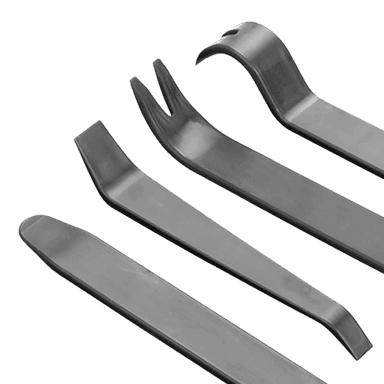
- Plastic trim removal tool
- Nitrile gloves
- Safety glasses
- Clean shop rag
🔩 Required Parts
HowToo sells all the parts you need for this repair:
- Stop/Tail light bulbs (dual-filament) - Replace in pairs (left + right) - Qty: 2
- Turn signal bulbs (amber) - If needed - Replace in pairs - Qty: 2
- Reverse light bulbs - If needed - Replace in pairs - Qty: 2
📋 Before You Begin
- Park your Outback on level ground and set the parking brake.
- Open the rear hatch for access to the tail lamp fasteners.
- Decide which “taillight bulb” you mean: the running/brake light (red), the turn signal, or the reverse light. If you tell me which one is out, I’ll confirm the exact bulb type/position.
🔨 Step-by-Step Instructions
Follow these steps in order:
Step 1: Remove the tail lamp screws (one side)
- Open the hatch and locate the two screws on the inboard edge of the tail lamp (near the hatch opening).
- Use a Phillips #2 screwdriver to remove both screws.
- Put the screws somewhere safe so they don’t get lost.
Step 2: Release the lamp assembly clips
- Hold the lamp with one hand.
- Use a plastic trim removal tool to gently start the lamp outward at the inboard edge.
- Work evenly until the locating clips pop free.
- Pull straight back, not sideways.
Step 3: Identify the correct bulb socket
- Look at the back of the lamp for the bulb sockets (they are round twist-lock holders).
- Pick the socket for the bulb you’re replacing:
- Stop/Tail (running + brake): usually the main red lens bulb and often a larger socket.
- Turn signal: usually an amber bulb behind a clear/amber section.
- Reverse: clear lens section.
Step 4: Remove the bulb socket
- Twist the socket counterclockwise about 1/4 turn by hand and pull it out.
- If it’s tight, use a clean shop rag for grip (don’t use pliers; they can crack the socket).
Step 5: Replace the bulb
- Pull the old bulb straight out of the socket.
- Put on nitrile gloves before handling the new bulb.
- Push the new bulb straight into the socket until fully seated.
Step 6: Reinstall the socket and lamp
- Insert the socket back into the housing and twist clockwise to lock.
- Line up the lamp’s locating pins/clips with the body holes.
- Press the lamp straight into place until it sits flush.
- Reinstall the two screws using the Phillips #2 screwdriver.
- No published torque spec is typically provided for these small screws; tighten until snug and the lamp is secure (do not over-tighten).
Step 7: Repeat on the other side
- Repeat Steps 1–6 for the opposite tail lamp so you replace both bulbs as a pair.
✅ After Repair
- Test the lights:
- Turn on parking lights to verify both taillights glow evenly.
- Press the brake pedal (or have someone help) to verify both brake lights brighten.
- Test turn signals and reverse lights if you worked on those bulbs.
- If a bulb doesn’t work, remove it and re-seat it; then confirm the socket is fully twisted/locked.
- If only one side is out again quickly, inspect for corrosion or a melted socket.
💰 DIY vs Shop Cost
Shop Cost: $80-$180 (parts + labor)
DIY Cost: $10-$40 (parts only)
You Save: $70-$140 by doing it yourself!
Shop labor rates vary but typically run $100-$150/hour. This repair takes a shop approximately 0.5-1.0 hours.
🎯 Ready to get started?
HowToo makes it easy: same-day/2-day shipping on every part, plus all the tools and specialty tools you need! Check out the parts and tools sections below to add everything to your cart.