















How to Replace Ignition Coils on a 2013 Honda CR‑V 2.4L
Step-by-step DIY ignition coil replacement with tools, parts list, torque specs, safety tips, and cost comparison
How to Replace Ignition Coils on a 2013 Honda CR‑V 2.4L
Step-by-step DIY ignition coil replacement with tools, parts list, torque specs, safety tips, and cost comparison


🔧 CR-V - Ignition Coils Replacement
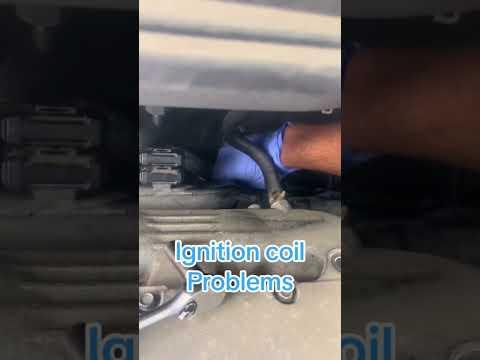
You’ll be replacing the ignition coils on top of the engine. These coils sit directly over the spark plugs and can cause misfires, rough idle, or hesitation when they start to fail.
Difficulty Level: Beginner | Estimated Time: 0.5–1 hour
⚠️ Safety & Precautions
- ⚠️ Let the engine cool completely before working under the hood to avoid burns.
- ⚠️ Turn the ignition OFF and remove the key before unplugging any electrical connectors.
- ⚠️ Disconnecting the battery negative terminal is recommended to avoid accidental short circuits.
- ⚠️ Keep metal tools away from battery terminals and exposed electrical connectors.
🔧 Required Tools
You'll need the following tools for this repair:
- 🧰 10mm socket
- 🧰 1/4" drive ratchet
- 🧰 3" socket extension
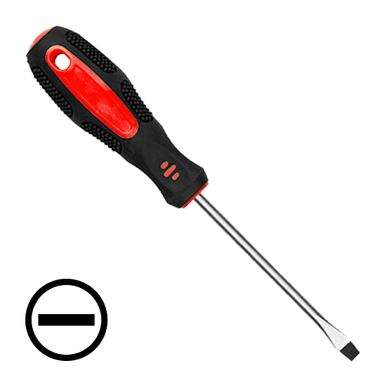
- 🧰 Flat blade screwdriver (small)
- 🧰 Torque wrench (inch-pound or low-range foot-pound)
- 🧰 Shop rag
- 🧰 Mechanic gloves
- 🧰 Safety glasses
🔩 Required Parts
HowToo sells all the parts you need for this repair:
- 🔩 Ignition coil pack set (4 coils, cylinder 1–4) - Qty: 1 set
- 🔩 Dielectric grease (spark plug/coil boot grease) - Qty: 1 small tube
- 🔩 Battery terminal cleaning brush - Qty: 1 (optional)
- 🔩 Shop towels - Qty: 1 pack
📋 Before You Begin
- Park the CR-V on level ground, shift to Park, and set the parking brake.
- Turn off the engine and remove the key from the ignition.
- Open the hood and secure it with the hood prop rod.
- If you choose to, disconnect the battery negative terminal using a 10mm socket and tuck the cable aside so it cannot spring back.
🔨 Step-by-Step Instructions
Follow these steps in order:
Step 1: Locate the ignition coils
- Stand in front of the CR-V and look at the top of the engine.
- The plastic engine cover (if equipped) sits over the center; under or beside it you’ll see four black plastic “towers” in a row—these are the ignition coils.
- If there is an engine cover, remove any visible 10mm bolts with a 10mm socket and 1/4" drive ratchet, then lift the cover off.
Step 2: Identify coil connectors and bolts
- Each coil has an electrical connector and a small hold-down bolt.
- On your CR-V’s 2.4L engine, each coil is held by a single 10mm bolt.
- Take a quick photo for reference before unplugging anything.
Step 3: Disconnect the first ignition coil connector
- Start with cylinder 1 (usually the coil nearest the timing chain end, passenger side).
- Press down on the small locking tab of the electrical connector with your thumb or a flat blade screwdriver.
- While holding the tab down, gently pull the connector straight back away from the coil.
- Do not pull by the wires; pull by the plastic plug.
Step 4: Remove the ignition coil hold-down bolt
- Use a 10mm socket, 3" extension, and 1/4" drive ratchet to loosen and remove the coil’s hold-down bolt.
- Set the bolt in a safe spot so it doesn’t fall into the engine bay.
Step 5: Remove the ignition coil
- Grip the top of the coil and gently twist it left and right to break it loose.
- Pull the coil straight up out of the spark plug well.
- If it feels stuck, keep twisting gently rather than prying with tools.
Step 6: Prepare the new ignition coil
- Compare the new coil with the old one to confirm the same length, connector shape, and mounting tab.
- Apply a very small amount of dielectric grease inside the rubber boot at the end of the new coil.
- Dielectric grease helps prevent moisture and future sticking.
Step 7: Install the new ignition coil
- Insert the new coil straight down into the spark plug well until it seats on the spark plug.
- Make sure the mounting tab lines up with the bolt hole on the valve cover.
- Start the 10mm hold-down bolt by hand to avoid cross-threading.
- Use the 10mm socket, extension, and ratchet to snug the bolt.
- Then use a torque wrench with the 10mm socket to tighten the bolt to 12 Nm (8.7 ft-lbs).
Step 8: Reconnect the ignition coil electrical connector
- Push the connector onto the coil until you hear or feel a click.
- Gently tug on the connector to make sure it is locked in place.
Step 9: Repeat for the remaining coils
- Move to the next cylinder and repeat Steps 3–8 for each remaining coil.
- Do one coil at a time to avoid mixing connectors.
- Replace all four coils if you are installing a full set for best reliability.
Step 10: Reinstall the engine cover and reconnect battery
- If you removed an engine cover, place it back on and reinstall any 10mm bolts using the 10mm socket and ratchet. Snug them; they don’t need much torque.
- If you disconnected the battery, reconnect the negative cable and tighten the clamp nut with a 10mm socket and ratchet until snug (do not over-tighten).
- Wipe off any tools or grease from the engine area with a shop rag.
✅ After Repair
- Start the engine and let it idle for a minute. It should run smoothly without misfires or shaking.
- Watch the dashboard for any warning lights (especially the check engine light). If a light stays on, you may need to read and clear codes with a scan tool.
- Take a short test drive, gently accelerating to check for smooth power delivery.
- If the battery was disconnected, your radio presets and clock may need to be reset.
💰 DIY vs Shop Cost
Shop Cost: $300–$500 (parts + labor) for all 4 coils
DIY Cost: $120–$220 (parts only, full set of 4)
You Save: $180–$280 by doing it yourself!
Shop labor rates vary but typically run $100–$150/hour. This repair takes a shop approximately 0.5–1.0 hours.
🎯 Ready to get started?
HowToo makes it easy: same-day/2-day shipping on every part, plus all the tools and specialty tools you need! Check out the parts and tools sections above to add everything to your cart.