









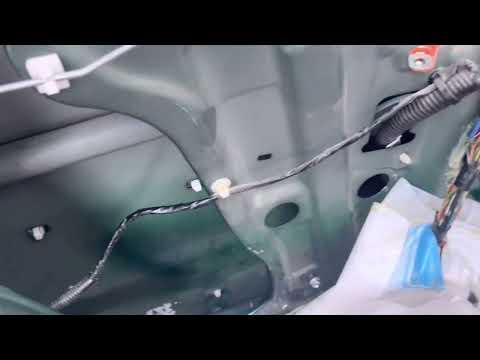





How to Replace Front Window Regulators on a 2018 Honda CR-V
Step-by-step DIY front regulator and motor replacement with tools, parts list, safety tips, torque specs, and cost savings
How to Replace Front Window Regulators on a 2018 Honda CR-V
Step-by-step DIY front regulator and motor replacement with tools, parts list, safety tips, torque specs, and cost savings


🔧 CR-V - Front window regulator replacement
You’ll be removing the front door trim panel, unbolting the glass, and swapping the window regulator and motor assembly in your CR-V. This fixes issues like a window that won’t move, moves unevenly, or makes grinding noises.
Difficulty Level: Intermediate | Estimated Time: 1.5–2.5 hours per door
⚠️ Safety & Precautions
- ⚠️ Disconnect the battery negative terminal before working on power windows to avoid accidental operation and reduce airbag (side airbag) risk.
- ⚠️ Support the glass securely with tape before loosening any glass bolts so it doesn’t fall and crack or injure your hands.
- ⚠️ Work with the ignition OFF; never turn the key on with side airbag or door harness disconnected.
- ⚠️ Use plastic trim tools so you do not crack or scratch the interior door panel.
- ⚠️ Keep fingers clear of the regulator scissor/track areas when testing operation; they can pinch very hard.
🔧 Required Tools
You'll need the following tools for this repair:
- 🧰 10mm socket
- 🧰 8mm socket
- 🧰 1/4" drive ratchet
- 🧰 1/4" drive extension (3–6")
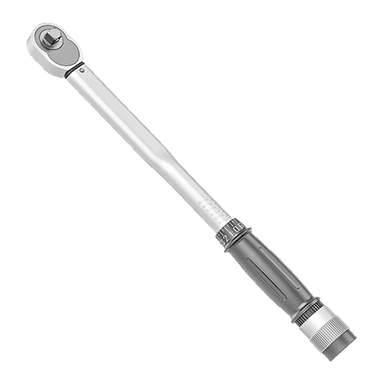
- 🧰 Torque wrench (inch-pound or low-range, 3–20 ft-lbs)
- 🧰 Phillips #2 screwdriver
- 🧰 Small flathead screwdriver (3–4 mm tip)
- 🧰 Plastic trim removal tool set
- 🧰 Panel clip removal tool
- 🧰 Plastic pick tool
- 🧰 Masking tape (1" or 2" wide)
- 🧰 Utility knife or razor blade
- 🧰 Work light or headlamp
- 🧰 Mechanic gloves
- 🧰 Safety glasses
- 🧰 Clean rags or microfiber towels
🔩 Required Parts
HowToo sells all the parts you need for this repair:
- 🔩 Front left window regulator with motor (driver side) - Qty: 1
- 🔩 Front right window regulator with motor (passenger side) - Qty: 1 (only if replacing both)
- 🔩 Front door panel push clips - Qty: 6–10 (have spares; they often break)
- 🔩 Butyl tape or door vapor barrier adhesive - Qty: 1 roll
- 🔩 Masking tape - Qty: 1 roll
- 🔩 Dielectric grease (electrical connector grease) - Qty: small tube (optional)
- 🔩 Sound deadening or plastic sheet - Qty: 1 (only if original vapor barrier is badly torn)
📋 Before You Begin
- 🧷 Park the CR-V on level ground, shift to Park, and set the parking brake.
- 🧷 Lower the affected window until you can see the glass mounting bolts through the access holes in the inner door metal (if possible; if the regulator is totally dead, we’ll handle that in the steps).
- 🧷 Turn ignition OFF and remove the key.
- 🧷 Open the hood and disconnect the battery negative cable using a 10mm socket. Move the cable aside so it cannot spring back.
- 🧷 Keep all screws and clips in labeled containers for each door so reassembly is easier.
🔨 Step-by-Step Instructions
Follow these steps in order:
Step 1: Remove interior door trim panel
- Use a plastic trim removal tool to gently pry off the small trim cover behind the interior door handle (the piece that hides a screw).
- Remove the screw behind that cover using a Phillips #2 screwdriver.
- Use the plastic trim removal tool to lift out the switch panel (window switch area) from the armrest. Pry from the rear edge first.
- Disconnect the window switch connector by pressing the tab with a plastic pick tool or small flathead screwdriver and pulling gently.
- Remove the screw(s) inside the armrest handle pocket with a Phillips #2 screwdriver.
- Starting at the bottom of the door, slide a plastic trim removal tool between the door panel and metal door frame and pop out the plastic clips around the edges. Work around the sides and bottom.
- Once all clips are loose, lift the door panel straight up to unhook it from the top edge by the window.
- Disconnect any remaining electrical connectors (door lock, mirror) using a plastic pick tool on the release tabs. Set the door panel somewhere soft to avoid scratches.
Step 2: Remove the vapor barrier and expose the regulator
- The clear or foam plastic sheet stuck to the door is the vapor barrier; it keeps moisture out of the cabin.
- Use a utility knife to carefully cut through the butyl adhesive where needed and slowly peel the barrier back enough to access the large openings in the metal inner door.
- Do not tear the barrier; peel it back halfway and tape it out of the way with masking tape.
- Keep adhesive clean for better reseal.
Step 3: Secure the glass
- If the window is up, use masking tape on the outside: run 2–3 long strips from the glass over the top of the door frame and down the inside to hold the glass in place.
- If the window is down and the regulator still works a little, reconnect the window switch temporarily and raise the glass until you can see the two glass mounting points through the access holes. Then disconnect the switch and battery negative again.
- If the regulator is completely dead and the glass is stuck, you may need a helper to lift the glass by hand while you loosen the glass bolts in the next step.
Step 4: Detach the glass from the regulator
- Look through the large openings in the inner door to find the two glass clamp bolts that hold the glass to the regulator track.
- Use a 10mm socket with 1/4" ratchet to loosen (do not fully remove) these two bolts until the glass can move freely in the channel.
- Carefully slide the glass all the way up by hand and secure it firmly with several strips of masking tape over the top of the door frame.
- Use multiple tape layers for safety.
Step 5: Remove the old window regulator and motor
- Locate the window motor electrical connector. Press the locking tab with a plastic pick tool or small flathead screwdriver and unplug it.
- Using a 10mm socket, remove the bolts that hold the regulator tracks to the inner door frame (usually 4–6 bolts, depending on side).
- Using the same 10mm socket, remove the bolts that hold the motor assembly to the door.
- Support the regulator with one hand while removing the last bolt so it does not drop and bend.
- Carefully maneuver the entire regulator and motor assembly out through the large opening in the inner door metal.
Step 6: Transfer any needed parts and compare
- Place the old regulator and the new regulator side by side on a clean surface.
- Make sure all mounting points, tracks, and connector orientations match.
- If your design uses any separate brackets or plastic guides attached to the regulator, transfer them from the old unit to the new one using a Phillips #2 screwdriver or 10mm socket as needed.
- Do not add grease if rails are pre-greased.
Step 7: Install the new window regulator and motor
- Carefully feed the new regulator and motor assembly into the door through the large opening.
- Align the regulator track mounting holes with the holes in the inner door.
- Install the regulator track bolts by hand first to avoid cross-threading, then snug them with a 10mm socket and 1/4" ratchet.
- Install the motor mounting bolts and snug them with the 10mm socket.
- Using a torque wrench with a 10mm socket, tighten the regulator and motor mounting bolts to 9–10 Nm (7–8 ft-lbs). Do not overtighten; these are small bolts.
- Reconnect the motor electrical connector; add a tiny bit of dielectric grease to the terminals if you have it.
Step 8: Reattach the glass to the regulator
- Carefully remove the masking tape holding the glass while supporting the glass with one hand.
- Lower the glass slowly until it sits in the regulator clamps or brackets.
- Make sure the glass is fully seated and straight in the channels on both front and rear edges.
- Using a 10mm socket, tighten the two glass clamp bolts evenly.
- Use a torque wrench with the 10mm socket to torque the glass clamp bolts to 9–10 Nm (7–8 ft-lbs).
- Tighten both bolts evenly to avoid binding.
Step 9: Temporarily power up and test the window
- Reattach the window switch to its connector (you can leave the switch panel hanging carefully).
- Reconnect the battery negative cable with a 10mm socket.
- Turn the ignition to ON (engine off) and test the window up and down several times.
- Check that the glass goes up and down smoothly, doesn’t tilt, and seals properly at the top.
- If the window binds or is crooked, raise it halfway, disconnect the battery, slightly loosen the glass clamp bolts with a 10mm socket, adjust the glass by hand, and then re-tighten and re-test.
- Once satisfied, turn ignition OFF and disconnect the battery negative cable again before reassembling.
Step 10: Reinstall the vapor barrier
- Carefully press the vapor barrier back into its original position.
- If the original butyl adhesive is not sticky enough, add fresh butyl tape around the perimeter where the barrier meets the metal.
- Use your fingers or a clean rag to firmly press the barrier to the adhesive all the way around so it seals against moisture and wind noise.
Step 11: Reinstall the door panel
- Reconnect all electrical connectors (window switch, lock switch, mirror) by hand; make sure each clicks into place.
- Hang the door panel on the top edge of the door by hooking it over the window ledge.
- Align the plastic push clips with their holes in the door metal.
- Use the palm of your hand to firmly tap around the edges to seat all clips. If any clips are broken or missing, replace them now.
- Reinstall the armrest handle screws using a Phillips #2 screwdriver.
- Reinstall the small trim over the interior door handle and its screw with the Phillips #2 screwdriver.
- Press the window switch panel back into the armrest until it snaps into place.
Step 12: Final reconnect and function check
- Reconnect the battery negative cable with a 10mm socket and tighten snugly.
- Turn ignition ON and test all door functions: window up/down, door lock/unlock, and mirror adjustment.
- Listen for any rattles inside the door when operating the window; if you hear any, you may need to pull the panel and confirm all bolts and clips are tight.
- Repeat the entire process on the opposite front door if you are replacing both regulators.
✅ After Repair
- ✅ Cycle each front window fully up and down at least 5 times to confirm smooth travel and proper sealing.
- ✅ Check from outside for even gaps around the glass and proper seating into the weatherstrip at the top.
- ✅ Drive at moderate speed and listen for wind noise from the repaired door; if present, the vapor barrier or glass alignment may need adjustment.
- ✅ Verify power locks and mirrors still work correctly after reconnecting all door wiring.
💰 DIY vs Shop Cost
Shop Cost: $350–$550 per front window (parts + labor)
DIY Cost: $90–$180 per window (parts only)
You Save: $260–$370 per window by doing it yourself!
Shop labor rates vary but typically run $100–$150/hour. This repair takes a shop approximately 1.0–1.5 hours per door.
🎯 Ready to get started?
HowToo makes it easy: same-day/2-day shipping on every part, plus all the tools and specialty tools you need! Check out the parts and tools sections above to add everything to your cart.