













How to Replace Rear Window Regulator on a 2014 Hyundai Tucson (LH/RH)
Step-by-step rear door window regulator install with tools, parts list, safety tips, and torque specs
How to Replace Rear Window Regulator on a 2014 Hyundai Tucson (LH/RH)
Step-by-step rear door window regulator install with tools, parts list, safety tips, and torque specs


🔧 Tucson - Rear Window Regulator Replacement
The rear window regulator is the mechanism that moves the window glass up and down. On your Tucson, replacement typically means removing the rear door trim panel, securing the glass, swapping the regulator (and sometimes the motor), then testing window operation before reassembly.
Difficulty Level: Intermediate | Estimated Time: 1.5-3.0 hours (per rear door)
⚠️ Safety & Precautions
- ⚠️ Keep fingers clear of the regulator and glass while testing—pinch risk.
- ⚠️ Support the window glass with tape before unbolting it, or it can drop suddenly.
- ⚠️ Disconnect the negative battery cable before unplugging door wiring connectors.
- ⚠️ Don’t tear the vapor barrier (plastic sheet). It prevents water leaks into the cabin.
🔧 Required Tools
You'll need the following tools for this repair:
- Safety glasses
- Mechanic gloves
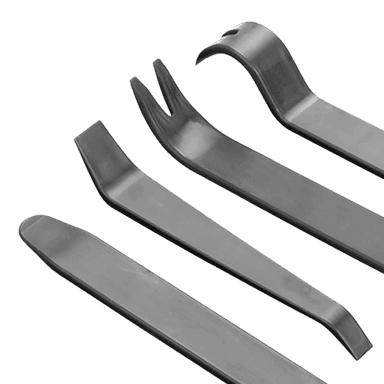
- Plastic trim removal tool set
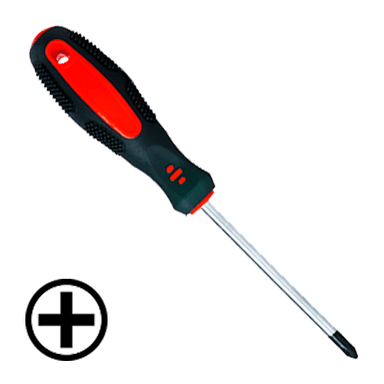
- Phillips #2 screwdriver
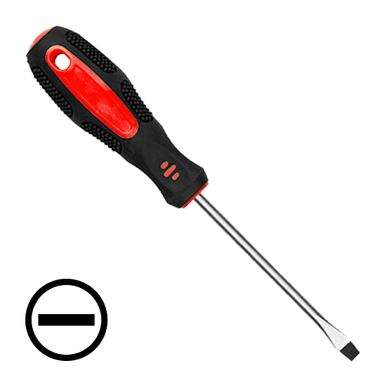
- Small flat-blade screwdriver
- 10mm socket
- 1/4" ratchet
- 6" socket extension (1/4" drive)
- Torque wrench (inch-pound)
- Painter’s tape (1" to 2" wide)
- Pick tool
- Needle-nose pliers
- Magnetic parts tray
- Work light
🔩 Required Parts
HowToo sells all the parts you need for this repair:
- Rear window regulator (LH or RH, as applicable) - Qty: 1
- Rear window regulator motor - Qty: 1 (only if not included / needed)
- Rear door trim panel clips - Qty: 1 set
- Butyl tape (vapor barrier adhesive) - Qty: 1
📋 Before You Begin
- Park on a level surface and remove the key from the vehicle.
- Open the rear door you’re working on and lower the window partway if it still moves.
- Use a 10mm socket to disconnect the negative battery terminal and isolate it so it can’t spring back.
- Lay a towel on the door sill to protect paint and catch screws.
🔨 Step-by-Step Instructions
Follow these steps in order:
Step 1: Remove the rear door switch trim and screws
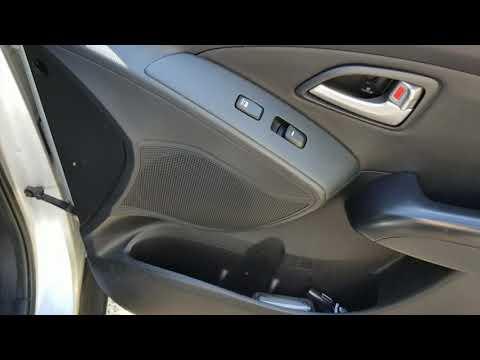
- Use a plastic trim removal tool set to carefully pry up the rear window switch bezel.
- Unplug the switch connector by releasing the lock tab with a small flat-blade screwdriver.
- Remove any visible screws in the armrest/handle area using a Phillips #2 screwdriver.
- Tip: Put screws in a magnetic tray.
Step 2: Remove the rear door trim panel
- Use a plastic trim removal tool set to pop the door panel clips around the edges.
- Lift the panel upward to unhook it from the window ledge.
- Disconnect any remaining connectors using a small flat-blade screwdriver to release lock tabs.
Step 3: Peel back the vapor barrier (water shield)
- Carefully peel the plastic vapor barrier back using your hands and a plastic trim removal tool set.
- If the butyl adhesive is stubborn, gently work it loose—don’t rip the plastic.
Step 4: Secure the window glass so it cannot fall
- Apply multiple long strips of painter’s tape (1" to 2" wide) from the outside of the glass over the top of the door frame, then down onto the inside—make a “strap” that holds the glass up.
- If the glass is not fully up, raise it by hand carefully while keeping it supported.
Step 5: Unbolt the glass from the regulator
- Through the service holes, locate the glass-to-regulator clamp/bolts.
- Use a 10mm socket with a 1/4" ratchet and 6" extension to remove the bolts.
- Once unbolted, push the glass fully up by hand and add more painter’s tape to secure it.
- Torque to 8–10 Nm (71–89 in-lbs) when reinstalling the glass-to-regulator bolts.
Step 6: Remove the regulator (and motor if replaced)
- Unplug the regulator motor connector (if equipped) by releasing the tab with a pick tool or small flat-blade screwdriver.
- Use a 10mm socket, 1/4" ratchet, and 6" extension to remove the regulator mounting bolts.
- Carefully maneuver the regulator assembly out through the access opening.
- Torque to 8–10 Nm (71–89 in-lbs) when reinstalling regulator mounting bolts.
Step 7: Transfer the motor (only if your new regulator doesn’t include it)
- Remove the motor fasteners using the correct driver for your part (commonly 10mm socket or Phillips #2 screwdriver depending on supplier).
- Install the motor onto the new regulator and tighten evenly.
- Torque to 4–6 Nm (35–53 in-lbs) for motor fasteners (small fasteners—do not overtighten).
Step 8: Install the new regulator
- Place the new regulator into the door and align mounting holes.
- Hand-start all bolts to prevent cross-threading.
- Tighten using a 10mm socket and finish with a torque wrench (inch-pound).
- Torque to 8–10 Nm (71–89 in-lbs).
Step 9: Reattach the glass to the regulator
- Carefully lower the glass into position (remove only enough painter’s tape to move it safely).
- Install the glass-to-regulator bolts using a 10mm socket.
- Torque to 8–10 Nm (71–89 in-lbs).
Step 10: Function test before reassembly
- Reconnect the window switch connector and reconnect the battery negative using a 10mm socket.
- Cycle the window up/down while watching the regulator through the service hole.
- If the glass tilts or binds, stop and re-check glass seating in the clamps and regulator alignment.
- Disconnect the battery negative again with a 10mm socket before reassembling the door.
Step 11: Reinstall the vapor barrier and door panel
- Press the vapor barrier back into the butyl; add butyl tape where needed for a full seal.
- Reconnect all electrical connectors.
- Hang the door panel on the upper ledge, then press in the clips around the perimeter.
- Reinstall screws using a Phillips #2 screwdriver, then reinstall the switch bezel with the plastic trim removal tool set as needed.
✅ After Repair
- Reconnect the battery negative terminal using a 10mm socket.
- Test the rear window switch and the driver master switch for that window.
- Check the window seals for wind noise and confirm the glass fully seats at the top.
- Pour a small amount of water along the outside of the glass and confirm no water gets past the vapor barrier into the cabin.
💰 DIY vs Shop Cost
Shop Cost: ₹8,000-₹18,000 (parts + labor, per door)
DIY Cost: ₹3,500-₹10,000 (parts only, per door)
You Save: ₹4,500-₹8,000 by doing it yourself!
Shop labor rates vary but typically run ₹1,000-₹2,500/hour. This repair takes a shop approximately 1.5-3.0 hours.
🎯 Ready to get started?
HowToo makes it easy: same-day/2-day shipping on every part, plus all the tools and specialty tools you need! Check out the parts and tools sections below to add everything to your cart.