













How to Replace the Front Window Regulator on a 2009 Ford F-150 (Driver or Passenger)
Step-by-step door panel removal, glass support, motor transfer, tools/parts list, and torque specs
How to Replace the Front Window Regulator on a 2009 Ford F-150 (Driver or Passenger)
Step-by-step door panel removal, glass support, motor transfer, tools/parts list, and torque specs


🔧 F-150 - Front Window Regulator Replacement
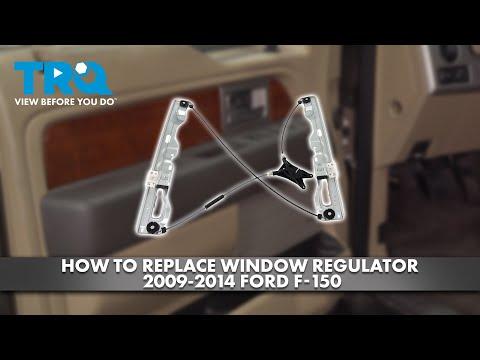
The front window regulator is the cable-and-track assembly that moves the glass up and down. When it fails, the window may drop into the door, move crooked, bind, or make grinding/clicking noises. This job involves removing the door panel, supporting the glass, swapping the regulator, then testing for smooth operation.
Difficulty Level: Intermediate | Estimated Time: 1.5-3.0 hours (per door)
⚠️ Safety & Precautions
- ⚠️ Keep hands clear of the regulator scissors/cable path; it can pinch hard.
- ⚠️ Support the window glass with tape so it can’t fall and shatter.
- ⚠️ Disconnecting the battery is recommended to prevent accidental shorts while unplugging door wiring.
- ⚠️ Don’t tear the vapor barrier (plastic sheet); it prevents water leaks into the cab.
🔧 Required Tools
You'll need the following tools for this repair:
- Safety glasses
- Work gloves
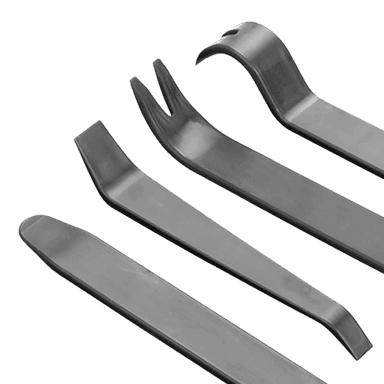
- Trim removal tool set
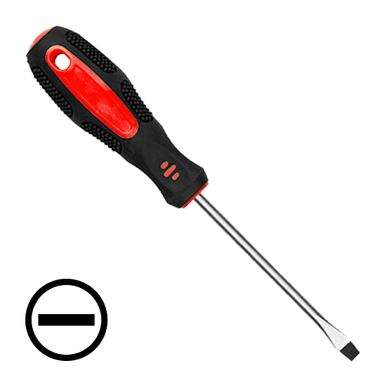
- Flathead screwdriver (small)
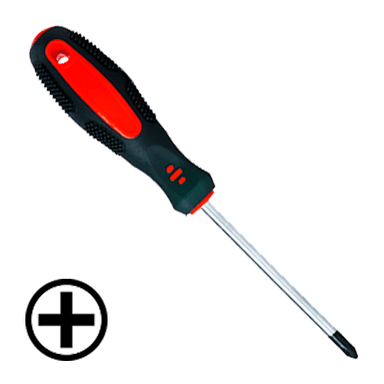
- Phillips screwdriver #2
- 7mm socket
- 8mm socket
- 10mm socket
- 1/4" drive ratchet
- 3" socket extension (1/4" drive)
- Torx T20 driver
- Torx T25 driver
- Needle-nose pliers
- Painter’s tape (1.5" wide)
- Pick tool (small)
- Magnetic parts tray
- Torque wrench (inch-pound)
- Electric drill
- 1/4" drill bit
- Heavy-duty rivet gun (specialty)
🔩 Required Parts
HowToo sells all the parts you need for this repair:
- Front window regulator assembly - Qty: 1
- Front window motor - Qty: 1 (only if not included with regulator)
- Door panel retaining clips - Qty: 6-12 (handy to have)
- Water shield butyl tape - Qty: 1 (if vapor barrier adhesive won’t reseal)
- 1/4" large-flange rivets - Qty: 6-10 (only if your regulator is riveted)
- M6 bolt-and-nut hardware kit - Qty: 1 (only if converting from rivets to bolts)
📋 Before You Begin
- Park on level ground, shift to Park, and turn the key off.
- Lower the window until you can access the glass-to-regulator fasteners through the door openings (if the regulator still moves).
- Disconnect the negative battery cable using a 10mm socket. Prevents accidental shorting.
- Have painter’s tape ready to hold the glass in the fully-up position.
🔨 Step-by-Step Instructions
Follow these steps in order:
Step 1: Remove the door trim panel
- Use a trim removal tool set to gently pry up the window/lock switch bezel and unplug the connectors.
- Use a pick tool (small) to pop off any small screw covers in the pull handle/armrest area.
- Remove door panel screws using a 7mm socket and/or Phillips screwdriver #2 (locations vary by panel).
- Use a trim removal tool set to pop the panel clips around the edges, then lift the panel straight up and off the window ledge.
- Unplug any remaining connectors and set the panel aside in a safe place.
Step 2: Remove the inside handle cable/rod (if equipped)
- Use a flathead screwdriver (small) to release the cable/rod retaining clip at the inside handle, then unhook it.
- Take a photo first for reassembly.
Step 3: Peel back the vapor barrier (water shield)
- Carefully peel the plastic barrier back by hand.
- If the adhesive is stubborn, warm it slightly by hand and pull slowly so it doesn’t tear.
Step 4: Support the window glass
- Manually push the glass to the fully-up position (if it has dropped).
- Secure the glass to the door frame using painter’s tape (1.5" wide) (use multiple strips over the top of the door).
- Use 3–5 strips; glass is heavy.
Step 5: Disconnect the window motor (and door module if needed)
- Unplug the window motor connector using a pick tool (small) to lift the lock tab (do not yank wires).
Step 6: Separate the glass from the regulator
- Through the door access holes, locate the glass-to-regulator fasteners.
- Remove the fasteners using an 8mm socket or 10mm socket (varies by regulator design).
- Confirm the glass is still securely taped up before moving on.
Step 7: Remove the regulator assembly
- If the regulator is bolted in, remove the mounting bolts using a 10mm socket.
- If the regulator is riveted in, drill the rivet heads using an electric drill with a 1/4" drill bit, then push the rivet bodies through with a flathead screwdriver (small).
- Remove the regulator through the largest door opening, rotating it as needed.
Step 8: Transfer the motor (only if your new regulator does not include one)
- Remove the motor fasteners using a Torx T25 driver (or the fastener type on your unit).
- Install the motor onto the new regulator and tighten evenly.
- Torque to 5 Nm (44 in-lbs)
Step 9: Install the new regulator
- Position the regulator in the door the same way the old one came out.
- If bolted: install all fasteners finger-tight first using a 10mm socket, then tighten.
- Torque to 10 Nm (89 in-lbs)
- If riveted: install new rivets using a heavy-duty rivet gun (specialty) and 1/4" large-flange rivets.
Step 10: Reattach the glass to the regulator
- Reconnect the window motor connector.
- Reconnect the negative battery cable using a 10mm socket.
- Temporarily plug in the window switch and run the regulator until the glass clamp holes align.
- Install the glass-to-regulator fasteners using an 8mm socket or 10mm socket.
- Torque to 10 Nm (89 in-lbs)
- Remove the painter’s tape.
Step 11: Function check before reassembly
- Cycle the window fully down and fully up using the switch.
- Listen for cable popping/grinding and watch that the glass stays straight in the run channels.
- If the glass tilts, loosen the regulator fasteners with a 10mm socket, shift slightly, then retighten to spec.
Step 12: Reinstall the vapor barrier and door panel
- Press the vapor barrier back into place. If it won’t stick, apply water shield butyl tape.
- Reconnect all door panel electrical connectors.
- Hang the panel on the top window ledge, then press the clips in around the edges by hand.
- Reinstall screws using a 7mm socket and/or Phillips screwdriver #2.
✅ After Repair
- Cycle the window 5–10 times and confirm it seals at the top without bouncing back down.
- Check the door locks, mirror controls, and speaker (easy to miss an unplugged connector).
- Verify the vapor barrier is fully sealed to prevent water leaks.
💰 DIY vs Shop Cost
Shop Cost: $350-$750 (parts + labor)
DIY Cost: $90-$250 (parts only)
You Save: $260-$500 by doing it yourself!
Shop labor rates vary but typically run $100-$150/hour. This repair takes a shop approximately 1.5-3.0 hours.
🎯 Ready to get started?
HowToo makes it easy: same-day/2-day shipping on every part, plus all the tools and specialty tools you need! Check out the parts and tools sections below to add everything to your cart.