















How to Replace Front Turn Signal Bulbs on a 2018 Honda CR-V
Step-by-step DIY guide with required tools, parts, safety tips, and cost savings for CR-V front signal bulb replacement
How to Replace Front Turn Signal Bulbs on a 2018 Honda CR-V
Step-by-step DIY guide with required tools, parts, safety tips, and cost savings for CR-V front signal bulb replacement


🔧 CR-V - Front Turn Signal Bulb Replacement
You’ll be replacing the front turn signal bulbs inside the headlight housings on your CR-V. Access is from the front wheel well by peeling back the plastic inner fender liner, then twisting out the bulb socket.
Difficulty Level: Beginner | Estimated Time: 0.5–1 hour
⚠️ Safety & Precautions
- 🔋 Turn the ignition OFF and remove the key before starting.
- 🧤 Let the front lamps cool down before reaching behind them; they can be hot.
- 🕶 Wear safety glasses; you’ll be working under the fender with plastic clips that can snap.
- 🚗 Park on level ground, set the parking brake, and keep the transmission in P (Park).
- 🧼 Do not touch the glass of new bulbs with bare fingers; skin oil can shorten bulb life.
- 🔧 Battery disconnection is not required for this job.
🔧 Required Tools
You'll need the following tools for this repair:
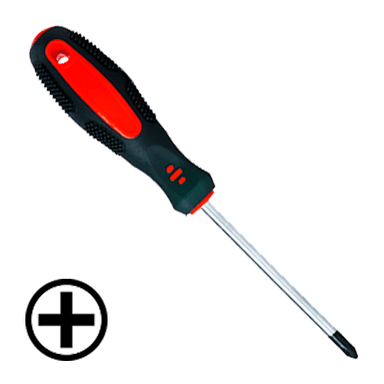
- Phillips #2 screwdriver
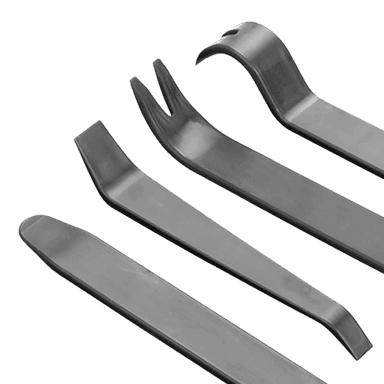
- Flat trim clip removal tool
- 10mm socket
- 1/4" drive ratchet
- 1/4" drive 3" extension
- Needle-nose pliers
- Work flashlight or headlamp
- Mechanic’s gloves
- Safety glasses
- Clean paper towels
🔩 Required Parts
HowToo sells all the parts you need for this repair:
- Front turn signal bulb (7440 amber) - Qty: 2 (always replace in pairs)
- Dielectric grease for bulb sockets - Qty: 1 small tube
- Plastic push clips for front inner fender liner - Qty: 4–6 (optional, in case any break)
📋 Before You Begin
- Park your CR-V on flat ground, set the parking brake, and turn the steering wheel fully to the opposite side of the bulb you’re replacing (to make room in the wheel well).
- Turn off headlights and hazard lights so the circuit is not live.
- Gather tools and parts on a tray so small clips and screws don't get lost.
- If you’re working outdoors, avoid dirt blowing into the open headlight area.
🔨 Step-by-Step Instructions
Follow these steps in order:
Step 1: Position the wheels for access
- Turn the steering wheel fully to the left if you’re working on the right front bulb, or fully to the right if you’re working on the left front bulb.
- This moves the tire away from the inner fender liner and gives your hands more room.
Step 2: Locate and remove inner fender fasteners
- Use the work flashlight to look at the front edge of the inner fender liner (plastic shield inside the wheel well) closest to the bumper.
- You will see a couple of plastic push clips and possibly one screw holding the liner to the bumper area.
- Use the Phillips #2 screwdriver to remove any Phillips screw at the front lower edge of the liner. Set it aside safely.
- Use the flat trim clip removal tool to gently pry up the center pin of each plastic push clip, then pull the whole clip out.
- If any clip is stubborn, use needle-nose pliers to pull it straight out after lifting the center.
- Work gently to avoid cracking the liner.
Step 3: Pull back the inner fender liner
- With the fasteners removed, carefully pull the front edge of the inner fender liner away from the body by hand.
- Bend it back just enough to get your hand and flashlight between the liner and the bumper/headlight area. Do not fold it sharply.
- You should now be able to see the back of the headlight housing from inside the wheel well.
Step 4: Identify the front turn signal socket
- Shine the work flashlight toward the rear of the headlight housing.
- The front turn signal socket on the CR-V is usually a larger socket toward the outer side of the headlight, with two wires going to it and often a gray or black plastic base.
- If you’re unsure, have someone briefly switch on the hazard lights while you look (keep fingers clear), then turn them off again once you identify which socket is flashing.
Step 5: Remove the turn signal bulb socket
- Grasp the turn signal bulb socket firmly by hand.
- Rotate the socket about a quarter turn counterclockwise (left) to unlock it. No tools are needed here—just your hand.
- Pull the socket straight out of the headlight housing.
- Do not pull on the wires; hold the plastic base.
Step 6: Remove the old bulb
- Hold the socket so the bulb points away from you.
- On this style, the bulb is usually a push-in wedge type. Grip the glass base of the bulb with a clean paper towel and pull it straight out of the socket.
- If it feels stuck, gently wiggle it side-to-side as you pull.
Step 7: Prepare and install the new bulb
- Open the package for the new front turn signal bulb (7440 amber).
- Using a clean paper towel or gloves, avoid touching the glass directly.
- Apply a tiny dab of dielectric grease to the metal contacts inside the socket. Dielectric grease is a special non-conductive grease that helps prevent corrosion and moisture.
- Push the new bulb straight into the socket until it is fully seated and snug.
Step 8: Reinstall the bulb socket into the headlight
- Align the tabs on the bulb socket with the slots in the headlight opening.
- Insert the socket fully into the opening.
- Rotate the socket a quarter turn clockwise (right) until it stops and locks in place.
- If it won’t turn, back out and realign the tabs.
Step 9: Test the new bulb before closing up
- Temporarily let the inner fender liner hang open.
- Sit in the driver’s seat and turn the ignition to ON (engine can stay off).
- Activate the left or right turn signal (or hazard lights) and walk to the front to confirm the new bulb is flashing normally and at normal speed (no fast blinking).
- Turn everything back OFF once confirmed.
Step 10: Reposition the inner fender liner
- Move the inner fender liner back into its original position against the bumper and fender edge.
- Align the holes in the liner with the holes in the body where the clips and screw were.
Step 11: Reinstall screws and clips
- Install the plastic push clips first: push the outer body of the clip into the hole, then press the center pin in until it is flush.
- If a clip is damaged or won’t hold, replace it with a new one from your parts list.
- Use the Phillips #2 screwdriver to reinstall any screw you removed from the liner.
- If you removed any 10mm bolts (some CR-Vs have them at the liner edge), use the 10mm socket, 1/4" drive ratchet, and 3" extension to reinstall and snug them down. Do not overtighten; just firm hand-tight is enough, about 7–9 Nm (5–7 ft-lbs).
Step 12: Repeat on the other side
- Turn the steering wheel to the opposite lock to create space on the other side.
- Repeat Steps 2–11 for the other front turn signal so both have the same brightness and color.
✅ After Repair
- 🔄 Turn on left and right turn signals and hazard lights and check from the front and rear that all signals flash correctly and evenly.
- 🚗 Take a short drive and use the turn signals several times to confirm no “fast blink” (hyperflash) and no bulb-out message on the dash.
- 🔍 After the drive, recheck the wheel wells to make sure the inner fender liners are secure and not rubbing the tires.
💰 DIY vs Shop Cost
Shop Cost: $80–$140 (parts + labor)
DIY Cost: $10–$25 (parts only)
You Save: $70–$115 by doing it yourself!
Shop labor rates typically run $100–$150/hour. This repair takes a shop approximately 0.3–0.5 hours.
🎯 Ready to get started?
HowToo makes it easy: same-day/2-day shipping on every part, plus all the tools and specialty tools you need! Check out the parts and tools sections above to add everything to your cart.