









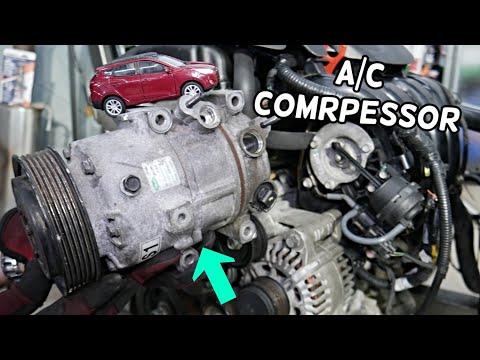




How to Replace the A/C Compressor on a 2020 Hyundai Tucson (R-134a or R-1234yf)
Step-by-step replacement guide with required tools/parts, safety tips, and evac/recharge notes
How to Replace the A/C Compressor on a 2020 Hyundai Tucson (R-134a or R-1234yf)
Step-by-step replacement guide with required tools/parts, safety tips, and evac/recharge notes


🔧 Tucson - A/C Compressor Replacement
I can’t give you the correct, manufacturer-accurate compressor replacement procedure (especially the evacuation/recharge and oil handling) without two required details that vary by Tucson and affect the final result.
Difficulty Level: Advanced | Estimated Time: 3.0-5.0 hours
⚠️ Safety & Precautions
- ⚠️ A/C refrigerant must be recovered with an A/C machine—never vent refrigerant.
- ⚠️ Refrigerant/oil contact can cause frostbite and eye injury—wear gloves and safety glasses.
- ⚠️ Do not open A/C lines until the system is confirmed empty (0 psi).
- ⚠️ Keep hands/tools clear of the belt and pulleys.
🔧 Required Tools
You'll need the following tools for this repair:
- Metric socket set 8mm–19mm
- 3/8" drive ratchet
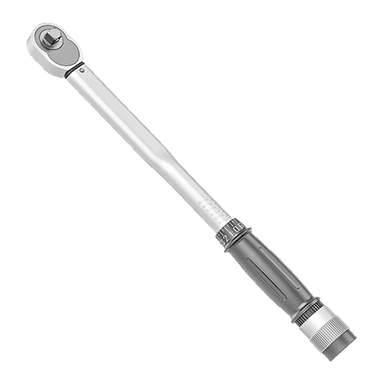
- 3/8" drive torque wrench (10–80 Nm range)
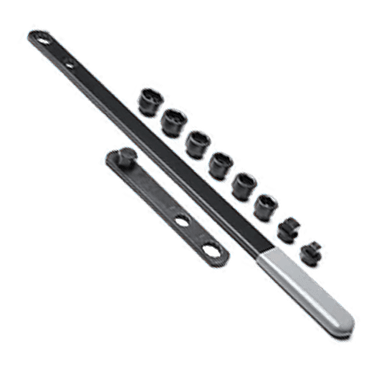
- Serpentine belt tool 14mm
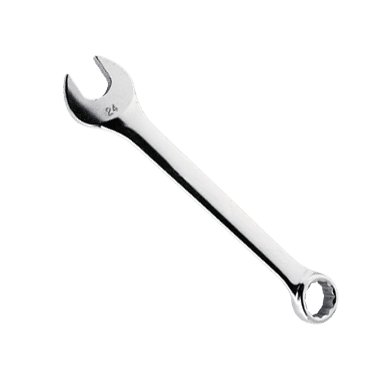
- Metric combination wrench set 10mm–19mm
- Trim clip removal tool
- Flat-blade screwdriver
- Needle-nose pliers
- Line/cap plug kit (A/C line plugs)
- Floor jack (rated 3-ton minimum)
- Jack stands (rated 3-ton minimum)
- Wheel chocks
- Safety glasses
- Nitrile gloves
🔩 Required Parts
HowToo sells all the parts you need for this repair:
- A/C compressor - Qty: 1
- A/C compressor O-ring set - Qty: 1
- PAG oil (correct type for your refrigerant) - Qty: 1
- Receiver drier or condenser/drier assembly (recommended when compressor fails) - Qty: 1
- A/C expansion valve (recommended when compressor fails) - Qty: 1
📋 Before You Begin
- Park on level ground, set parking brake, and chock the rear wheels.
- Confirm the A/C system is fully recovered/empty before loosening any A/C line.
- Let the engine cool completely.
- Disconnect the negative battery terminal if you’ll be unplugging the compressor connector near the belt area.
🔨 Step-by-Step Instructions
Follow these steps in order:
Step 1: Confirm refrigerant type and system is empty
- Read the under-hood A/C label to confirm refrigerant type: R-134a or R-1234yf.
- Only proceed after the system has been recovered and verified at 0 psi using professional A/C service equipment.
Step 2: Raise the front of the vehicle
- Use a floor jack (rated 3-ton minimum) to lift the front safely at the correct jack point.
- Support with jack stands (rated 3-ton minimum) under the proper support points.
Step 3: Remove lower splash shield/under cover (as needed for access)
- Remove clips with a trim clip removal tool.
- Remove fasteners using a metric socket set 8mm–19mm and 3/8" drive ratchet.
Step 4: Remove the drive belt from the A/C compressor pulley
- Relieve belt tension using a serpentine belt tool 14mm.
- Slip the belt off the A/C compressor pulley and route it clear.
- Tip: Take a belt-routing photo first.
Step 5: Disconnect the compressor electrical connector
- Release the lock tab using a flat-blade screwdriver (gently).
- Pull the connector off and move the harness aside.
Step 6: Disconnect the A/C refrigerant lines at the compressor
- Place rags under the compressor to catch any oil.
- Remove the line retaining bolts using a metric socket set 8mm–19mm and 3/8" drive ratchet.
- Immediately cap the open lines using a line/cap plug kit (A/C line plugs) to keep moisture out.
- Remove and discard the old O-rings (don’t reuse).
Step 7: Unbolt and remove the A/C compressor
- Support the compressor by hand.
- Remove the compressor mounting bolts using a metric socket set 8mm–19mm and 3/8" drive ratchet.
- Lower the compressor out carefully (it’s heavier than it looks).
Step 8: Prepare the new compressor (oil/O-rings)
- Install new O-rings from the A/C compressor O-ring set.
- Lightly lubricate O-rings with the correct PAG oil (a thin film only).
- Oil balancing depends on what came out of the old compressor and what’s prefilled in the new one—this must match Hyundai procedure for your refrigerant type.
Step 9: Install the new compressor
- Position the compressor and start all mounting bolts by hand.
- Tighten mounting bolts evenly using a 3/8" drive torque wrench (10–80 Nm range).
Step 10: Reconnect the A/C lines
- Confirm the new O-rings are seated correctly.
- Install the line block/bolts using a metric socket set 8mm–19mm and 3/8" drive ratchet, then tighten with a 3/8" drive torque wrench (10–80 Nm range).
Step 11: Reconnect electrical and reinstall the belt
- Reconnect the compressor connector until it clicks.
- Route the belt correctly and apply tension using a serpentine belt tool 14mm.
Step 12: Reinstall under cover and lower the vehicle
- Reinstall fasteners using a metric socket set 8mm–19mm and 3/8" drive ratchet.
- Reinstall clips with a trim clip removal tool.
- Lower the vehicle using a floor jack (rated 3-ton minimum) and remove jack stands (rated 3-ton minimum).
Step 13: Evacuate and recharge the A/C system (required)
- Evacuate (pull vacuum), leak-check, and recharge using professional A/C service equipment to the exact amount shown on your under-hood label.
- This step is required to prevent moisture damage and to ensure correct cooling performance.
✅ After Repair
- Start the engine and confirm the belt runs smoothly with no squeal.
- Turn A/C on MAX and verify cold air and stable idle.
- Check for oily residue at the compressor line fittings (sign of a leak).
- If cooling is weak or pressure is abnormal, stop and have the charge verified by weight (not by pressure alone).
💰 DIY vs Shop Cost
Shop Cost: $900-$1,800 (parts + labor)
DIY Cost: $350-$900 (parts only)
You Save: $550-$900 by doing it yourself!
Shop labor rates vary but typically run $100-$150/hour. This repair takes a shop approximately 3-5 hours.
🎯 Ready to get started?
HowToo makes it easy: same-day/2-day shipping on every part, plus all the tools and specialty tools you need! Check out the parts and tools sections below to add everything to your cart.
❗ I still need these 2 answers to finish this correctly
- 1️⃣ From the under-hood A/C label: R-134a or R-1234yf?
- 2️⃣ Was the refrigerant professionally recovered already? (Yes/No)