













How to Replace Front Turn Signal Bulbs on a 2019 Nissan Rogue
Step-by-step DIY bulb replacement with tools, parts list, safety tips, and cost savings
How to Replace Front Turn Signal Bulbs on a 2019 Nissan Rogue
Step-by-step DIY bulb replacement with tools, parts list, safety tips, and cost savings


🔧 Rogue - Front Turn Signal Bulb Replacement
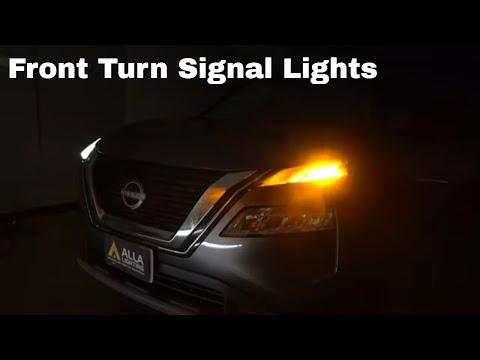
You’ll be replacing the front turn signal bulbs that are mounted inside the headlight housings on your Rogue. This involves accessing the back of each headlight from under the hood, removing the bulb socket, and installing new bulbs.
Difficulty Level: Beginner | Estimated Time: 0.5–1 hour
⚠️ Safety & Precautions
- 🔸Always switch the ignition off and make sure the turn signals and headlights are off before you start.
- 🔸Let the engine bay cool if the car was just driven to avoid burns from hot components.
- 🔸Do not touch the glass of any bulb with bare fingers; skin oils can shorten bulb life.
- 🔸Battery disconnect is not required for this job, but avoid shorting any connectors and keep metal tools away from battery terminals.
🔧 Required Tools
You'll need the following tools for this repair:
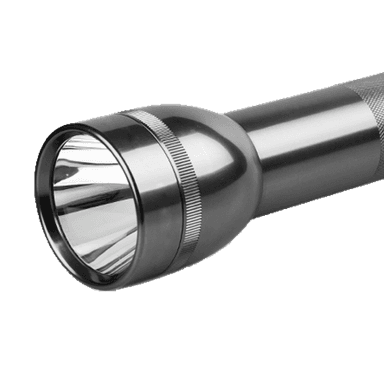
- 🔸Work light or flashlight
- 🔸Safety glasses
- 🔸Mechanic gloves
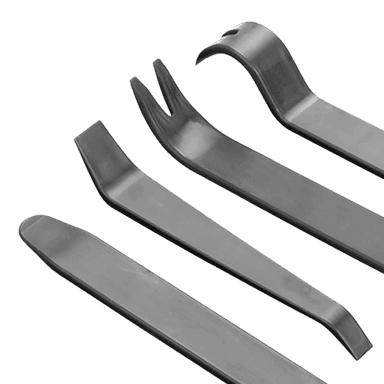
- 🔸Trim clip removal tool (specialty)
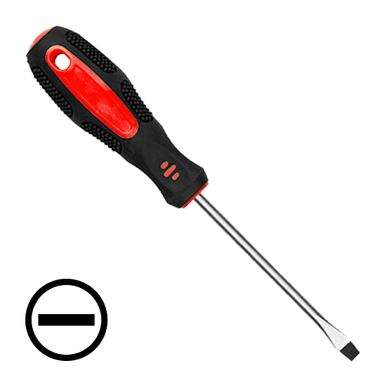
- 🔸Flathead screwdriver small
🔩 Required Parts
HowToo sells all the parts you need for this repair:
- 🔸Front turn signal bulbs (7440A amber, wedge base) - Qty: 2 (replace in pairs)
- 🔸Dielectric grease for bulb sockets - Qty: 1 tube
- 🔸Plastic push clips for upper radiator cover - Qty: 4–6 (optional spares)
📋 Before You Begin
- 🔸Park the Rogue on level ground, set the parking brake, and switch off the engine.
- 🔸Turn the headlight and turn signal switches to the OFF position.
- 🔸Open the hood and secure it with the hood prop rod.
- 🔸Lay a towel over the front bumper edge to avoid scratches while you lean in.
🔨 Step-by-Step Instructions
Follow these steps in order:
Step 1: Locate the front turn signal bulb sockets
- 🔸Stand in front of the Rogue and look at the headlights; the front turn signal is the amber section toward the outer side of each headlight.
- 🔸From under the hood, look behind each headlight housing. You’ll see several connectors; the turn signal socket is a smaller round plastic socket near the outer corner with two wires going to it.
- 🔸Use the work light or flashlight to clearly see the socket and wiring. Take a moment to identify the correct one.
Step 2: Improve access if clearance is tight (if needed)
- 🔸On the driver side, space is usually tighter. If needed, gently move any plastic air duct or cover that blocks your hand.
- 🔸If a plastic cover is held with push clips, use the trim clip removal tool or the flathead screwdriver small to carefully pry up the center of each clip, then pull the clip out.
- 🔸Set any removed covers and clips aside in a safe place. Keep clips together so none get lost.
- 🔸No bolts are removed in this step, so no torque specs apply.
Step 3: Remove the bulb socket from the headlight
- 🔸Reach behind the headlight and grip the turn signal socket firmly by its plastic base (not the wires).
- 🔸Twist the socket about a quarter turn counterclockwise by hand to unlock it.
- 🔸Pull the socket straight out from the headlight housing to expose the bulb.
- 🔸If the socket feels stuck, gently wiggle it as you twist; do not force it so hard that the plastic cracks.
Step 4: Remove the old bulb
- 🔸The 7440A bulb is a wedge-type bulb, meaning it simply pulls straight out of the socket.
- 🔸Hold the socket with one hand and, with the other, pull the bulb straight out; you can gently rock it side to side while pulling if it’s tight.
- 🔸Avoid twisting the glass; just pull straight back.
Step 5: Prepare and install the new bulb
- 🔸Before installation, apply a tiny dab of dielectric grease to the metal contacts inside the socket. This grease helps prevent corrosion and improves electrical contact.
- 🔸Hold the new front turn signal bulb (7440A amber) by the base if possible. If you must touch the glass, wipe it afterward with a clean, lint-free cloth.
- 🔸Align the bulb’s metal contacts with the socket slots and push the bulb straight into the socket until it seats firmly.
- 🔸Make sure the bulb sits straight and does not wobble. If it’s loose, push it in further.
Step 6: Reinstall the bulb socket into the headlight
- 🔸Guide the bulb back into the opening in the rear of the headlight.
- 🔸Align the tabs on the socket with the slots in the headlight housing.
- 🔸Insert the socket fully, then twist it clockwise about a quarter turn by hand until it stops and feels snug.
- 🔸Hand-tight only; there are no torque specs since no bolts are used here.
Step 7: Repeat for the other side
- 🔸Move to the opposite headlight and repeat Steps 1–6 to replace the other front turn signal bulb.
- 🔸It’s important to replace bulbs in pairs so they have matching brightness and color.
Step 8: Reinstall any covers and clips (if removed)
- 🔸If you removed any plastic covers or air ducts, place them back into position.
- 🔸Insert each plastic push clip into its hole and press the center pin down flush by hand to lock it.
- 🔸No tools are needed for reinstalling the clips, but you can gently press with the flathead screwdriver small if the pin is stiff.
- 🔸Again, no torque specs apply here since there are no bolts.
✅ After Repair
- 🔸Turn the ignition to ON (engine can be off) and activate the left and right turn signals to confirm both new bulbs flash correctly.
- 🔸Switch on the hazard lights so you can walk around the front and confirm both signals are equally bright and steady.
- 🔸Check inside the engine bay (with the lights on) to ensure the sockets are fully seated and there is no flickering.
- 🔸Close the hood securely when finished.
💰 DIY vs Shop Cost
Shop Cost: $80–$140 (parts + labor)
DIY Cost: $10–$25 (parts only, both bulbs)
You Save: $55–$130 by doing it yourself!
Shop labor rates vary but typically run $100–$150/hour. This repair takes a shop approximately 0.3–0.5 hours.
🎯 Ready to get started?
HowToo makes it easy: same-day/2-day shipping on every part, plus all the tools and specialty tools you need! Check out the parts and tools sections above to add everything to your cart.