











2019 Subaru Outback Power Steering Pump Replacement? EPS Diagnosis & Steering Assist Fix Guide
Step-by-step checks for heavy steering and EPS warning lights, plus scan tool codes, fuses, wiring, and rack replacement tips
2019 Subaru Outback Power Steering Pump Replacement? EPS Diagnosis & Steering Assist Fix Guide
Step-by-step checks for heavy steering and EPS warning lights, plus scan tool codes, fuses, wiring, and rack replacement tips


🔧 Outback - Power Steering “Pump” Replacement (System Check)
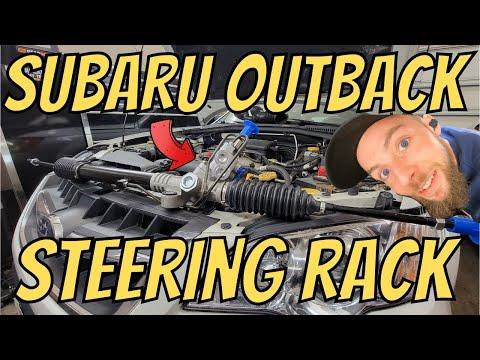
Your Outback does not use a hydraulic power steering pump. It uses Electric Power Steering (EPS), so there’s no pump, pulley, or power steering fluid service to replace.
If your steering feels heavy or you’re seeing a power steering warning light, the repair is usually related to the EPS rack/assist motor, steering angle/torque sensors, power/ground, or battery/charging system.
Difficulty Level: Beginner (checks) / Advanced (rack replacement) | Estimated Time: 0.5-1.5 hours (checks) / 4-7 hours (rack)
⚠️ Safety & Precautions
- ⚠️ Keep hands clear of the steering column and wheels during tests.
- ⚠️ If lifting the vehicle, use jack stands on proper lift points.
- ⚠️ Disconnect the negative battery terminal before unplugging EPS connectors.
- ⚠️ After any steering/suspension work, a professional alignment is required.
🔧 Required Tools
You'll need the following tools for this repair:
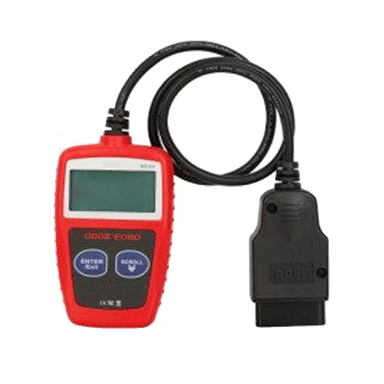
- OBD2 scan tool with ABS/EPS capability (specialty)
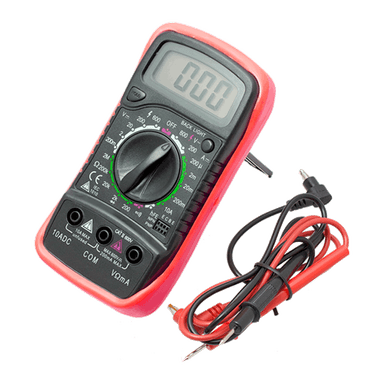
- Digital multimeter
- 10mm socket
- 12mm socket
- 14mm socket
- 3/8" ratchet
- 3/8" torque wrench (10-100 ft-lbs range)
- Trim clip remover
- Flat-blade screwdriver
- Floor jack (rated 3-ton minimum)
- Jack stands (rated 3-ton minimum)
- Wheel chocks
- Nitrile gloves
- Safety glasses
🔩 Required Parts
HowToo sells all the parts you need for this repair:
- EPS-related fuse(s) (as needed) - Qty: 1-2
- Battery terminal anti-corrosion pads (optional) - Qty: 2
- Electric power steering rack assembly (only if confirmed failed) - Qty: 1
- Outer tie rod end(s) (as needed) - Qty: 2
📋 Before You Begin
- Park on level ground, wheels straight, and set the parking brake.
- Install wheel chocks behind the rear wheels.
- If you’ll unplug EPS connectors, use a 10mm socket to disconnect the negative battery terminal and wait 2 minutes.
🔨 Step-by-Step Instructions
Follow these steps in order:
Step 1: Confirm this is an EPS issue (not a mechanical bind)
- Start the engine and slowly turn the wheel left/right in a parking lot.
- Note any warning lights and whether steering effort changes with engine RPM.
- Grinding/clunks suggest mechanical, not “pump”.
Step 2: Scan for EPS/ABS codes
- Plug in an OBD2 scan tool with ABS/EPS capability (specialty). (A “specialty” scan tool can read EPS modules, not just engine codes.)
- Read and write down codes in EPS and ABS/VDC.
- Clear codes, cycle ignition, then recheck which codes return.
Step 3: Check battery voltage (EPS is sensitive to low voltage)
- Use a digital multimeter across the battery terminals with engine OFF: you want roughly 12.4–12.8V.
- Start the engine and recheck: you want roughly 13.5–14.8V charging.
- If voltage is low, fix the battery/charging issue first.
Step 4: Inspect EPS power fuses and connections
- Turn ignition OFF.
- Open the under-hood fuse box and interior fuse area as needed.
- Use a fuse puller/trim clip remover and visually check for blown fuses related to EPS/IG power.
- Confirm fuse continuity with a digital multimeter if the fuse looks questionable.
Step 5: Check EPS rack/motor electrical connectors (basic inspection)
- Safely raise the front end using a floor jack (rated 3-ton minimum) and support with jack stands (rated 3-ton minimum).
- Use a flashlight (phone light is fine) and inspect the EPS rack area for damaged wiring, rubbing, or corrosion at connectors.
- If unplugging connectors: disconnect the battery negative using a 10mm socket first, then re-seat connectors firmly.
Step 6: Decide the correct “replacement” (there is no pump)
- If you have EPS codes pointing to internal rack/motor failure, the typical repair is EPS rack replacement (advanced).
- If codes point to low voltage, sensor calibration, or communication, the repair may be battery/charging or diagnosis with factory-level scan tool.
- Don’t replace the rack without codes/tests.
✅ After Repair
- Recheck for warning lights and re-scan for EPS/ABS codes using an OBD2 scan tool with ABS/EPS capability (specialty).
- If any steering parts are loosened or replaced, get a 4-wheel alignment.
- Test drive at low speed first, then normal speeds.
💰 DIY vs Shop Cost
Shop Cost: $200-$450 (diagnosis/minor electrical) or $1,800-$3,200 (EPS rack replacement + alignment)
DIY Cost: $0-$60 (fuses/clean-up) or $900-$1,800 (rack parts only, if needed)
You Save: $150-$1,400 by doing it yourself!
Shop labor rates vary but typically run $100-$150/hour. This repair takes a shop approximately 1-2 hours (diagnosis) or 4-7 hours (rack).
🎯 Ready to get started?
HowToo makes it easy: same-day/2-day shipping on every part, plus all the tools and specialty tools you need! Check out the parts and tools sections below to add everything to your cart.
Quick questions so I can point you to the exact fix (pick up to two):
- 🧾 Do you have an EPS/steering warning light on the dash?
- 🔍 What symptom are you getting: heavy steering, intermittent assist, or noise/clunk?