














How to Replace the In-Tank Fuel Pump on a 2022 Honda CR‑V
Step-by-step DIY fuel pump module replacement with tools, parts list, torque specs, safety tips, and cost savings
How to Replace the In-Tank Fuel Pump on a 2022 Honda CR‑V
Step-by-step DIY fuel pump module replacement with tools, parts list, torque specs, safety tips, and cost savings


🔧 CR-V - Fuel Pump Replacement
Your CR-V actually has two fuel pumps: a low-pressure pump in the fuel tank (main “fuel pump module”) and a high-pressure pump on the engine. The tank pump is the one usually replaced when people say “fuel pump”.
Difficulty Level: Intermediate | Estimated Time: 2-3 hours
⚠️ Safety & Precautions
- 🔥 Gasoline is highly flammable. Keep away from sparks, cigarettes, and open flames.
- 🧯 Work in a very well-ventilated area to avoid breathing fuel vapors.
- 🔌 Disconnect the negative battery cable before opening the fuel system.
- 💧 Expect fuel spillage when lines are disconnected. Keep rags and a metal drain pan ready.
- ⚡ Do not use power tools that can spark near open fuel.
- 🧤 Wear safety glasses and fuel-resistant gloves to protect skin and eyes.
- 🚗 Make sure the vehicle is on level ground with the parking brake fully engaged.
🔧 Required Tools
You'll need the following tools for this repair:
- 10mm socket
- Ratchet handle 3/8"
- 3/8" drive extension 6"
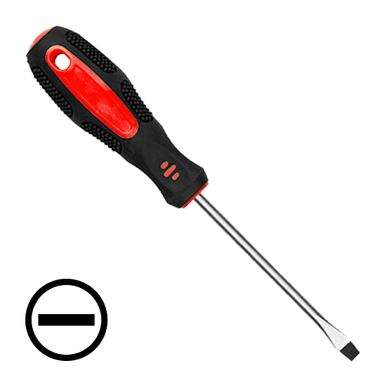
- Flathead screwdriver medium
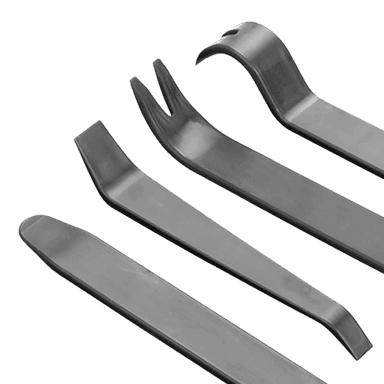
- Trim removal tool plastic
- Fuel line disconnect pliers (specialty)
- Fuel pump locking ring tool for Honda (specialty)
- Torque wrench 3/8" drive (5–60 Nm range)
- Needle-nose pliers
- Shop rags
- Small parts tray
- Flashlight or work light LED
- Safety glasses
- Nitrile gloves
- Portable fan
🔩 Required Parts
HowToo sells all the parts you need for this repair:
- In-tank fuel pump module assembly - Qty: 1
- Fuel pump module seal/gasket - Qty: 1
- Fuel tank lock ring - Qty: 1
- Shop towels - Qty: 1 pack
- Electrical contact cleaner spray - Qty: 1
📋 Before You Begin
- Park your CR-V on level ground, shift to P, and set the parking brake.
- Run the fuel tank down as low as you safely can; a low fuel level makes this easier and safer.
- Turn the ignition OFF and remove the key.
- Open all four windows to improve ventilation inside the cabin.
- Disconnect the negative battery terminal using a 10mm socket and move the cable aside so it cannot spring back.
- Have a metal drain pan or container ready for any fuel drips.
🔨 Step-by-Step Instructions
Follow these steps in order:
Step 1: Relieve fuel system pressure
- With the negative battery cable still connected for this step, open the hood.
- Remove the fuel pump fuse from the under-hood fuse/relay box using needle-nose pliers. The fuel pump fuse is labeled “FUEL PUMP” or “PUMP”; check the fuse box lid diagram.
- Start the engine and let it run until it stalls. This uses up pressure in the fuel line.
- Crank the engine again for 3–4 seconds to release remaining pressure, then turn the key OFF.
- Reconnect the fuel pump fuse by hand, then disconnect the negative battery cable with a 10mm socket.
- Do not skip depressurizing; it reduces fuel spray.
Step 2: Access the fuel pump under the rear seat
- Open the rear doors and locate the rear seat bottom cushion.
- Use your hands to feel along the front edge of the rear seat bottom; there are two latches near the left and right seating positions.
- Pull up sharply on the front edge of the seat at each latch to release it.
- Lift the front of the seat bottom and slide it forward and out of the vehicle. No tools are usually needed here, but you can use a trim removal tool plastic to help if clips are tight.
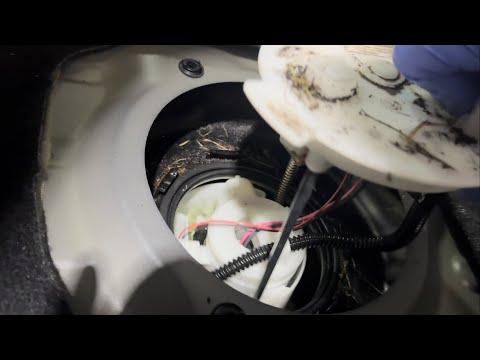
- On the right side (passenger side), you will see a round metal cover held with sealant or small clips on the floor. This is the fuel pump access cover.
- Carefully pry up the cover edge with a flathead screwdriver medium or trim removal tool plastic and remove it.
Step 3: Prepare the area and disconnect the electrical connector
- Use a shop rag to wipe away any dirt or dust around the pump top. This prevents contamination in the tank.
- Shine a flashlight on the pump top and locate the electrical connector.
- Press the locking tab on the connector and gently pull it off by hand. If tight, use needle-nose pliers to help, but do not crush the connector.
- If there is any corrosion, lightly spray electrical contact cleaner spray and let it dry.
Step 4: Disconnect the fuel lines
- There will be one or more plastic fuel lines with quick-connect fittings on the pump top.
- Place shop rags around the connections to catch fuel and position your drain pan nearby.
- Use fuel line disconnect pliers (specialty) or your fingers to squeeze the tabs on the quick connector, then pull the line straight off the fitting.
- Let any fuel drip onto the rag; do not bend or twist the plastic lines.
- Work slowly to avoid cracking plastic fittings.
Step 5: Remove the fuel pump lock ring
- The pump module is held by a large plastic or metal ring (locking ring).
- Use a fuel pump locking ring tool for Honda (specialty) with a ratchet handle 3/8" to turn the ring counterclockwise.
- If you do not have the special tool, do not hammer the ring with a screwdriver; this can cause sparks and damage. The proper tool is much safer.
- Once loose, spin the ring off by hand and set it aside.
Step 6: Lift out the fuel pump module
- Gently lift the pump module straight up by its top using both hands.
- As it comes up, angle it slightly to clear the float arm (the small lever with a plastic float that measures fuel level).
- Let fuel drain from the module back into the tank for a moment before fully removing it.
- Place the old module into your drain pan to catch fuel.
- Remove and discard the old pump seal/gasket from the tank opening.
Step 7: Install the new seal and pump module
- Wipe the tank opening sealing surface with a clean shop rag until it is clean and smooth.
- Place the new fuel pump module seal/gasket into the groove around the tank opening. Make sure it sits flat all the way around.
- Lower the new in-tank fuel pump module assembly into the tank, guiding the float arm in first.
- Align the marks on the pump top with the marks on the tank (if present). If there are no marks, install the new module in the same orientation as the old one (note the position of connectors).
Step 8: Install and torque the lock ring
- Place the new or cleaned fuel tank lock ring over the pump module and start threading it by hand.
- Use the fuel pump locking ring tool for Honda (specialty) with a ratchet handle 3/8" to tighten the ring evenly.
- Torque the lock ring to 75 Nm (55 ft-lbs) using your torque wrench 3/8" drive if your tool supports it. If not, tighten firmly and evenly without over-forcing.
- Even tightening helps prevent fuel leaks.
Step 9: Reconnect fuel lines and electrical connector
- Push each fuel line back onto its fitting until you feel and hear a “click.”
- Gently tug on each line by hand to confirm it is locked.
- Reconnect the electrical connector to the pump top until it clicks in place.
- Double-check there are no tools or rags near the pump area.
Step 10: Reinstall access cover and rear seat
- Place the metal access cover back over the pump opening and press it down into its original position. If it used clips, press until each clip locks.
- Position the rear seat cushion back in the vehicle.
- Slide the rear of the cushion under the seatback first, then push down firmly at each front latch position until you hear/feel it click.
Step 11: Reconnect battery and prime the fuel system
- Reconnect the negative battery cable using a 10mm socket and tighten it snugly. Torque to 7 Nm (5 ft-lbs).
- Turn the ignition to ON (do not start) for about 5 seconds, then turn it OFF. Repeat this 3–4 times. This lets the new pump build pressure.
- Listen for the pump humming briefly each time you turn the key ON.
Step 12: Start the engine and check for leaks
- Start the engine and let it idle.
- Check around the access cover area by carefully lifting it again if needed and looking at the pump top for any wet spots or fuel smell.
- If there are no leaks, reinstall the access cover firmly and close everything up.
- If you see fuel, shut engine off immediately.
✅ After Repair
- Take a short drive and monitor for fuel smell inside or outside the vehicle.
- Check under the CR-V for any drips around the fuel tank area after the test drive.
- If the Check Engine Light comes on, have the codes scanned; sometimes temporary codes appear after fuel system work.
- Keep the tank at least 1/4 full over the next few days to help the new pump stay cool.
💰 DIY vs Shop Cost
Shop Cost: $650-$950 (parts + labor)
DIY Cost: $250-$400 (parts only)
You Save: $250-$700 by doing it yourself!
Shop labor rates vary but typically run $100-$150/hour. This repair takes a shop approximately 1.5-2.0 hours.
🎯 Ready to get started?
HowToo makes it easy: same-day/2-day shipping on every part, plus all the tools and specialty tools you need! Check out the parts and tools sections below to add everything to your cart.