














How to Replace Rear Turn Signal Bulbs on a 2013 Honda CR-V
Step-by-step DIY guide with tools, parts, safety tips, and testing instructions for 2013 CR-V rear turn signal bulb replacement
How to Replace Rear Turn Signal Bulbs on a 2013 Honda CR-V
Step-by-step DIY guide with tools, parts, safety tips, and testing instructions for 2013 CR-V rear turn signal bulb replacement


🔧 CR-V - Rear Turn Signal Bulb Replacement
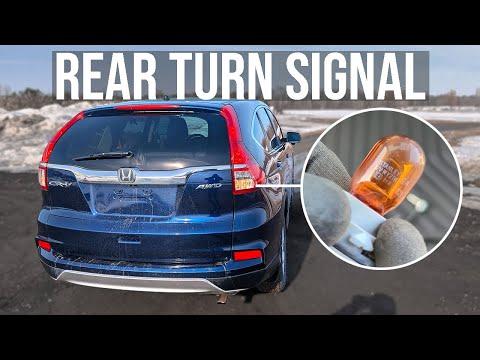
You’ll be replacing the rear turn signal bulbs in the tail light on your CR-V. The bulbs twist out from the back of the tail light, accessed from inside the cargo area.
Difficulty Level: Beginner | Estimated Time: 15-30 minutes
⚠️ Safety & Precautions
- 🔸Turn the ignition OFF and remove the key so lights cannot turn on while you work.
- 🔸Let the bulbs cool before touching them; they can be very hot right after use.
- 🔸Do not touch the glass of new bulbs with bare fingers; skin oils can shorten bulb life.
- 🔸Work in a well-lit, stable area so you don’t trip or bump the open tailgate.
- 🔸Battery disconnect is not required for this job.
🔧 Required Tools
You'll need the following tools for this repair:
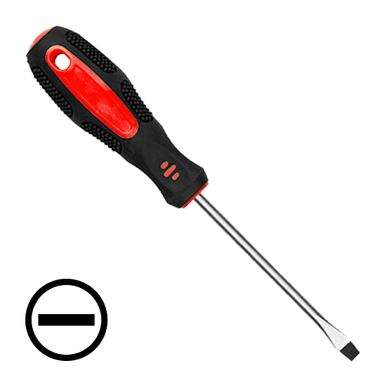
- 🔸Small flathead screwdriver (3-5 mm tip)
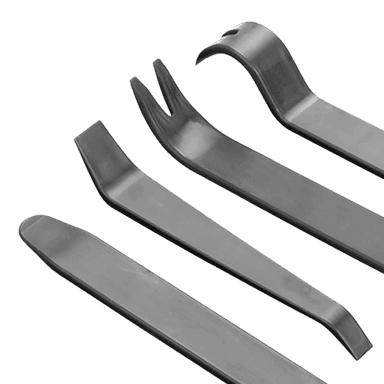
- 🔸Plastic trim removal tool (specialty)
- 🔸Clean shop towel or microfiber cloth
- 🔸Mechanic gloves
- 🔸Safety glasses
🔩 Required Parts
HowToo sells all the parts you need for this repair:
- 🔸Rear turn signal bulb (7440 amber) - Qty: 2 (replace both sides)
- 🔸Dielectric grease for bulb sockets - Qty: 1 small tube
- 🔸Disposable gloves - Qty: 1 box
📋 Before You Begin
- Park your CR-V on level ground, shift to P, and set the parking brake.
- Open the rear tailgate fully so you can reach the side panels in the cargo area.
- Turn off all lights and confirm the turn signals are off.
- Gather tools and parts behind the vehicle so you don’t need to walk away mid-job.
🔨 Step-by-Step Instructions
Follow these steps in order:
Step 1: Access the rear side trim panel
- Stand at the rear of your CR-V with the tailgate open and look at the side wall trim, directly behind each tail light.
- Use the plastic trim removal tool to gently pry open the small rectangular access cover in the interior trim (behind the tail light area).
- If the cover is tight, you can carefully use the small flathead screwdriver, wrapped with a clean shop towel to avoid scratching the plastic.
- Torque spec: No fasteners are removed in this step.
Step 2: Locate the turn signal bulb socket
- Look through the opening behind the tail light. You’ll see several bulb sockets inserted into the rear of the housing.
- The rear turn signal socket is usually the middle or lower socket with colored (often green or brown) wiring; it holds an amber 7440 bulb.
- Compare to the new bulb location to be sure.
- Torque spec: No fasteners are removed in this step.
Step 3: Remove the turn signal bulb socket
- Grip the turn signal socket firmly with your hand through the access opening.
- Turn the socket about a quarter turn counterclockwise by hand to unlock it.
- Pull the socket straight out from the tail light housing.
- If stuck, wiggle gently; do not pry.
- Tool used: Hands only, no tool needed here.
- Torque spec: Socket is twist-lock only; no torque value.
Step 4: Remove the old bulb from the socket
- Hold the socket in one hand. With the other hand, grasp the glass part of the bulb using mechanic gloves or a clean shop towel if hot or slippery.
- Pull the bulb straight out of the socket. It may feel snug but should come out with steady pull.
- If it’s very tight, gently wiggle the bulb as you pull.
- Torque spec: Not applicable for this step.
Step 5: Install the new bulb
- Before installing, apply a tiny dab of dielectric grease to the bulb’s metal contacts. This helps prevent corrosion.
- Holding the new 7440 amber bulb with a clean shop towel (to avoid skin oil), align the metal base with the socket.
- Push the bulb straight into the socket until it seats firmly.
- If it feels loose, remove and reseat.
- Torque spec: Push-fit only; no torque value.
Step 6: Reinstall the bulb socket into the tail light
- Guide the socket with the new bulb back into the opening in the tail light housing.
- Align the tabs on the socket with the slots in the housing.
- Push the socket in fully, then turn it clockwise about a quarter turn until it stops and feels locked.
- Do not force; back off and realign if it won’t turn.
- Tool used: Hands only.
- Torque spec: Twist until snug; no specific torque.
Step 7: Test the new bulb
- Leave the interior access panel still open for now.
- Close the tailgate enough that the tail lights are visible to someone standing behind.
- Turn the ignition to ON (engine can stay off) and use the turn signal stalk to signal left or right, depending on which side you replaced.
- Check that the new bulb flashes at normal speed and brightness.
- If it does not light, reseat the bulb in the socket.
- Torque spec: Not applicable.
Step 8: Reinstall the interior access cover
- Turn the ignition OFF again.
- Align the plastic access cover tabs with the opening in the interior trim.
- Press the cover in firmly by hand until it clicks and sits flush with the trim.
- Use your fingers or the plastic trim removal tool if needed to fully seat any edges.
- Torque spec: Snap-fit only; no torque value.
Step 9: Repeat on the other side
- Repeat Steps 1–8 on the other rear turn signal. It’s best to replace bulbs in pairs so brightness and color match.
- Torque spec: Same as previous steps; no torqued fasteners.
✅ After Repair
- 🔸Turn the ignition ON and check both left and right rear turn signals.
- 🔸Have someone stand behind the CR-V while you operate hazard lights, brakes, and tail lights to confirm all lights work correctly.
- 🔸Make sure both interior access covers are fully seated and no trim is loose.
- 🔸Dispose of old bulbs properly; do not leave them in the cargo area.
💰 DIY vs Shop Cost
Shop Cost: $70-$120 (parts + labor)
DIY Cost: $10-$25 (parts only)
You Save: $60-$95 by doing it yourself!
Shop labor rates vary but typically run $100-$150/hour. This repair takes a shop approximately 0.3-0.5 hours.
🎯 Ready to get started?
HowToo makes it easy: same-day/2-day shipping on every part, plus all the tools and specialty tools you need! Check out the parts and tools sections above to add everything to your cart.