














How to Replace Spark Plugs on a 2018 Honda CR‑V 2.4L Engine
Step-by-step DIY spark plug change with tools, parts list, torque specs, safety tips, and cost savings
How to Replace Spark Plugs on a 2018 Honda CR‑V 2.4L Engine
Step-by-step DIY spark plug change with tools, parts list, torque specs, safety tips, and cost savings


🔧 CR-V - Spark Plug Replacement
You’ll be replacing the four spark plugs on your CR-V’s 2.4L engine. This helps restore smooth running, fuel economy, and easier starting.
Difficulty Level: Beginner | Estimated Time: 1–1.5 hours
⚠️ Safety & Precautions
- 🛑 Work on a completely cold engine to avoid burns and to prevent damaging the aluminum cylinder head.
- 🔌 Turn ignition OFF and remove the key; do not press the start button while coils are unplugged.
- 🔋 Disconnect the negative battery terminal if you’re worried about short circuits around the ignition coils.
- 🔥 Keep all tools and loose items away from the serpentine belt area at the front of the engine.
- ⚡ Never pry directly on ignition coils; they are plastic and can crack.
🔧 Required Tools
You'll need the following tools for this repair:
- 🧰 3/8" drive ratchet
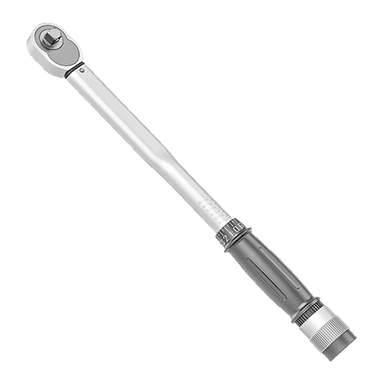
- 🧰 3/8" drive torque wrench (5–60 Nm range)
- 🧰 10mm socket
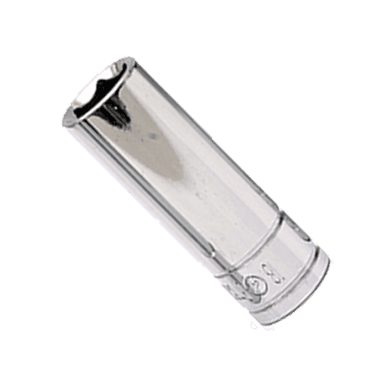
- 🧰 5/8" spark plug socket (magnetic or with rubber insert)
- 🧰 3/8" drive extension (6" length)
- 🧰 Flathead screwdriver (small)
- 🧰 Needle-nose pliers
- 🧰 Feeler gauge set
- 🧰 Shop rag or clean microfiber cloth
- 🧰 Dielectric grease tube
- 🧰 Mechanic’s gloves
- 🧰 Safety glasses
🔩 Required Parts
HowToo sells all the parts you need for this repair:
- 🔩 Iridium spark plugs (correct for 2.4L) - Qty: 4
- 🔩 Throttle body/intake cleaner spray - Qty: 1 (for light cleaning around area, optional)
- 🔩 Dielectric grease - Qty: 1 small tube
📋 Before You Begin
- Park your CR-V on level ground, set the parking brake, and put the transmission in Park.
- Let the engine cool for at least 45–60 minutes if it was running.
- If you choose, disconnect the negative battery cable using a 10mm socket and lay it aside so it cannot spring back.
- Have your new spark plugs ready and check that all four match in part number and appearance.
🔨 Step-by-Step Instructions
Follow these steps in order:
Step 1: Remove engine cover
- Open the hood and support it securely.
- The plastic engine cover on the 2.4L pulls upward; grasp it with both hands and pull straight up to release the rubber grommets.
- If it feels stuck, gently pry at the edges with a flathead screwdriver but do not crack the cover.
Step 2: Identify ignition coils
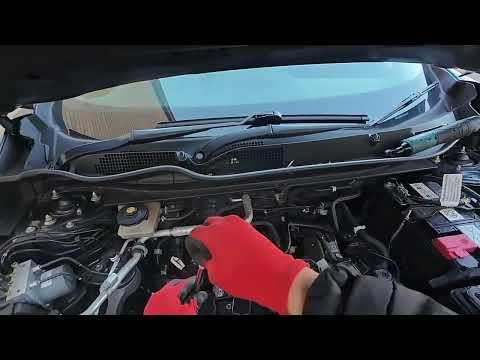
- You will see four black ignition coils on top of the engine, each with an electrical connector and one small bolt holding it down.
- Ignition coil = small unit that sits on each spark plug.
Step 3: Unplug first ignition coil
- Start at cylinder 1 (the one closest to the drive belt/front of the engine).
- Press down the plastic tab on the coil’s electrical connector with your thumb or a flathead screwdriver and gently pull the connector straight off.
- If it is stuck, wiggle the connector slightly while pressing the tab; avoid pulling on the wires.
Step 4: Remove first ignition coil
- Use a 10mm socket and 3/8" drive ratchet to remove the single bolt holding the coil.
- Set the bolt aside where it won’t get lost.
- Grasp the coil by its body and pull straight up; you may need to twist it gently to break the seal on the rubber boot.
- Inspect the coil boot for oil or moisture; if you see oil, the valve cover gasket may be leaking and should be checked later.
Step 5: Remove old spark plug
- Place the 5/8" spark plug socket on the 6" extension and attach to the 3/8" ratchet.
- Carefully lower the socket straight down into the spark plug tube until you feel it seat on the plug.
- Turn the ratchet counterclockwise to loosen the plug; it may be snug at first, then should loosen smoothly.
- Once fully loose, pull the ratchet and extension straight up; the plug should come out captured in the socket.
- If the plug stays in the tube, use the socket alone or needle-nose pliers very carefully to retrieve it.
Step 6: Inspect and gap new spark plug
- Remove one new spark plug from its box and compare it visually to the old one (same length and thread size).
- Use a feeler gauge set to check the gap; Honda 2.4L typically uses about 0.044" (1.1 mm).
- Most iridium plugs come pre-gapped; only adjust if it is clearly off, and be very gentle to avoid damaging the fine tip.
- Do not apply anti-seize to the threads; modern plugs are already coated and Honda advises against it.
Step 7: Install new spark plug (cylinder 1)
- Place the new plug into the 5/8" spark plug socket.
- Carefully lower it straight into the spark plug tube using the extension, keeping it centered so you don’t cross-thread it.
- Using only your fingers on the extension (no ratchet yet), turn the extension clockwise to start the plug by hand.
- Thread it in by hand at least 5–6 full turns; it should spin smoothly with almost no resistance.
- Attach the ratchet and snug the plug gently.
- Attach the torque wrench and tighten to 25 Nm (18 ft-lbs).
- Stop as soon as the torque wrench clicks.
Step 8: Reinstall ignition coil (cylinder 1)
- Put a tiny smear of dielectric grease inside the coil boot opening; this helps sealing and future removal.
- Slide the coil straight down into the tube until it sits fully on the plug.
- Reinstall the 10mm bolt using the 10mm socket and ratchet; snug it and then torque to about 9 Nm (80 in-lbs) with the torque wrench.
- Reconnect the electrical connector until you hear or feel a click.
Step 9: Repeat for cylinders 2, 3, and 4
- Move to the next coil and repeat Steps 3–8 for each cylinder, one at a time.
- Do not remove all coils at once; work in order.
- This helps avoid mixing parts or connectors and keeps dirt out of open plug holes.
Step 10: Reinstall engine cover
- Align the engine cover’s rubber grommets with the mounting posts on the engine.
- Press down firmly above each corner until it snaps into place.
Step 11: Reconnect battery (if disconnected)
- Reconnect the negative battery cable using the 10mm socket and tighten it snugly (do not overtighten).
✅ After Repair
- Start the engine and let it idle; it should start quickly and run smoothly without misfires or shaking.
- Listen for any unusual clicking or snapping sounds from the coil area; if you hear any, shut off and recheck coil connections.
- Take a short, gentle test drive and verify smooth acceleration and normal power.
- A slight idle speed change right after reconnecting the battery is normal while the computer relearns.
💰 DIY vs Shop Cost
Shop Cost: $180–$300 (parts + labor)
DIY Cost: $40–$80 (parts only)
You Save: $140–$220 by doing it yourself!
Shop labor rates vary but typically run $100–$150/hour. This repair takes a shop approximately 0.8–1.0 hours.
🎯 Ready to get started?
HowToo makes it easy: same-day/2-day shipping on every part, plus all the tools and specialty tools you need! Check out the parts and tools sections below to add everything to your cart.