















How to Change the CVT Transmission Fluid on a 2022 Honda CR‑V
Step-by-step 2022 CR‑V CVT drain-and-fill guide with tools, parts list, safety tips, and torque specs
How to Change the CVT Transmission Fluid on a 2022 Honda CR‑V
Step-by-step 2022 CR‑V CVT drain-and-fill guide with tools, parts list, safety tips, and torque specs


🔧 CR-V - CVT Transmission Fluid Change
You’ll be doing a drain-and-fill on the CVT (continuously variable transmission) in your CR-V. This refreshes the fluid that lubricates and cools the transmission, helping prevent shudder, slipping, and early wear.
Difficulty Level: Intermediate | Estimated Time: 1–1.5 hours
⚠️ Safety & Precautions
- 🛑 Always support the vehicle with jack stands; never rely only on a floor jack.
- 🛑 Work on a flat, solid surface so the CR-V sits level; fluid level depends on this.
- 🛑 CVT fluid can be very hot after driving; let the transmission cool until the pan is warm, not hot, to the touch.
- 🛑 Keep CVT fluid off the exhaust and belt areas; wipe spills immediately.
- 🛑 Do not start the engine with the drain plug removed or with very low fluid.
- 🛑 Wear safety glasses and gloves to protect against splashes and sharp edges under the car.
- 🛑 Do not mix other fluids; this CVT must use Honda-specific CVT fluid.
- 🔋 Battery disconnect is not required for this job.
🔧 Required Tools
You'll need the following tools for this repair:
- 🛠️ Floor jack (rated 3-ton minimum)
- 🛠️ Jack stands (rated 3-ton minimum, set of 4)
- 🛠️ Wheel chocks
- 🛠️ 3/8" drive ratchet
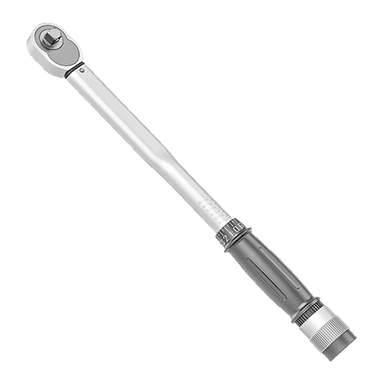
- 🛠️ 3/8" drive torque wrench (5–80 ft-lbs range)
- 🛠️ 10mm socket
- 🛠️ 12mm socket
- 🛠️ 17mm socket
- 🛠️ 10mm hex (Allen) socket
- 🛠️ Short socket extension (3"–6")
- 🛠️ Flathead screwdriver (medium)
- 🛠️ Drain pan (at least 8-liter capacity)
- 🛠️ Long-neck funnel with flexible hose
- 🛠️ Clean plastic measuring jug (at least 4 liters)
- 🛠️ Shop rags or paper towels
- 🛠️ Safety glasses
- 🛠️ Nitrile or mechanic gloves
🔩 Required Parts
HowToo sells all the parts you need for this repair:
- 🧩 Honda CVT fluid (HCF-2) - Qty: 4 liters (drain and fill)
- 🧩 Transmission drain plug crush washer - Qty: 1
- 🧩 Transmission level/check plug crush washer - Qty: 1
- 🧩 Plastic undertray push clips (10mm Honda style) - Qty: 4–6 (optional, for any that break)
- 🧩 Brake cleaner spray - Qty: 1 can (for cleaning spilled fluid)
- 🧩 Disposable shop towels - Qty: 1 pack
📋 Before You Begin
- 🚗 Park the CR-V on level ground, shift to P, and set the parking brake.
- ⏱️ Take a short 5–10 minute drive first; you want the transmission warm, not hot, so the fluid drains better.
- 🧊 Let the vehicle sit 15–20 minutes if the transmission housing feels very hot.
- 📦 Lay out tools and parts so you are not searching under the car.
- 🧴 Make sure you have at least 4 liters of Honda HCF‑2 fluid on hand.
🔨 Step-by-Step Instructions
Follow these steps in order:
Step 1: Safely raise and support the CR-V
- Place wheel chocks behind the rear wheels.
- Use the floor jack to lift the front of your CR-V at the front center jacking point (behind the front bumper, under the subframe).
- Place jack stands under the front pinch welds (the reinforced spots along the side under the doors) and gently lower the vehicle onto them using the floor jack.
- If possible, also lift and support the rear so the CR-V is level using the floor jack and rear jacking point, then jack stands at rear pinch welds.
- Give the car a firm shake to confirm stability.
Step 2: Remove the front undertray / splash shield
- Put on safety glasses and gloves.
- Use a 10mm socket and 3/8" ratchet to remove the bolts holding the plastic undertray at the front and sides.
- Use a flathead screwdriver to gently pry up the center pins of any plastic clips, then pull the clips out.
- Lower the undertray and set it aside.
- Keep bolts and clips together so you don’t lose them.
Step 3: Locate the transmission drain and level/check plugs
- The CVT is on the driver’s side of the engine bay (left side when sitting in the car).
- From underneath, look for the transmission drain plug on the bottom of the transmission case. It takes a 3/8" drive ratchet (square recess) and has a crush washer.
- On the side of the transmission case (toward the front), locate the fluid level/check plug that uses a 10mm hex socket and also has a crush washer.
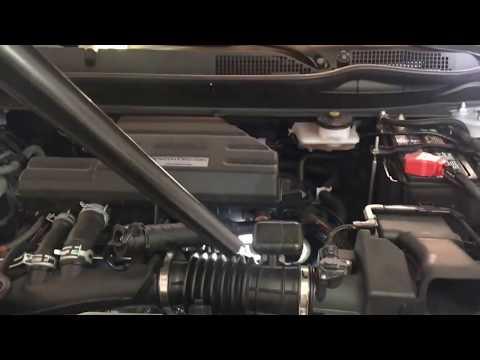
- On top of the transmission, from above, locate the fill plug with a 17mm hex head (near the battery/air box area).
- Identify all three before you loosen anything.
Step 4: Loosen the fill plug first
- From the engine bay, use a 17mm socket, extension, and 3/8" ratchet to loosen the fill plug on top of the transmission. Do not remove it fully yet.
- This confirms you can refill the transmission before you drain it.
- Never drain fluid until you’re sure you can refill.
Step 5: Loosen the level/check plug
- From underneath, position your drain pan under the side of the transmission where the level/check plug is.
- Use a 10mm hex socket and 3/8" ratchet to crack the level/check plug loose, but do not remove it yet.
- This plug is used later to set the correct fluid level.
Step 6: Drain the old CVT fluid
- Move the drain pan directly under the transmission drain plug.
- Use a 3/8" drive ratchet inserted into the square recess to loosen and remove the drain plug.
- Let the fluid fully drain into the pan; this can take several minutes.
- While it drains, inspect the drain plug; it is magnetic and may have fine metal “mud” on it—that is normal, but chunks are not.
- Clean the magnetic tip with a shop rag.
- Note roughly how much fluid comes out by eye.
Step 7: Measure the drained fluid
- Carefully pour the old fluid from the drain pan into the measuring jug.
- On a 2022 CR-V, a typical drain-and-fill is about 3.2–3.7 liters; note the exact amount you got.
- Plan to put almost the same amount of new fluid back in, then fine-tune using the level plug.
Step 8: Reinstall the drain plug with new washer
- Install a new drain plug crush washer on the cleaned drain plug.
- Thread the plug into the transmission by hand to avoid cross-threading.
- Use the 3/8" drive ratchet to snug it, then use a torque wrench with 3/8" drive set to 39 Nm (29 ft-lbs) and tighten the drain plug.
- Wipe the area clean with a rag.
Step 9: Add new CVT fluid from the top
- Now fully remove the 17mm fill plug on top of the transmission by hand.
- Insert the funnel with hose into the fill hole so it seals as well as possible.
- Slowly pour in about 3.0 liters of new Honda HCF‑2 fluid to start.
- If your measured drain amount was more than 3.0 liters, add up to that same amount minus about 200 ml (to avoid overfilling before level check).
- Pour slowly to avoid spills and air pockets.
Step 10: Rough level check (with engine OFF)
- Reinstall the fill plug loosely by hand (do not torque yet) to keep dirt out.
- Go underneath and make sure the drain plug is tight and dry.
- At this stage, you have a “rough” level; the final check is done at a specific temperature with the engine running.
Step 11: Warm the fluid and circulate it
- Lower the CR-V off the jack stands carefully using the floor jack, or leave it level on stands if you can safely start and run it like that and the wheels are free.
- Start the engine with your foot on the brake.
- With the engine idling, move the shifter slowly through P → R → N → D → S → L (if equipped) and back to P, pausing about 2–3 seconds in each gear. Do this 2–3 times.
- This circulates fluid through the CVT and clutch packs.
- Let the engine idle until the transmission is warm; typically 10–15 minutes from cold. The transmission case should feel warm to the touch but not too hot to hold.
Step 12: Final fluid level check and adjustment
- With the engine still idling, and the shifter in P, carefully raise and support your CR-V again so it is level using the floor jack and jack stands.
- Go underneath with your drain pan under the level/check plug.
- Use the 10mm hex socket and 3/8" ratchet to remove the level/check plug while the engine is idling.
- Observe what happens:
- If a thin stream of fluid or slow drip comes out, the level is correct.
- If a lot of fluid gushes out, you are slightly overfilled; let it drain until it slows to a drip.
- If nothing comes out, you are low; reinstall the plug loosely and add ~200 ml through the fill hole, then recheck.
- Once it is only dripping, install a new crush washer on the level/check plug, thread it in by hand, then tighten it with the 10mm hex socket and torque wrench to 39 Nm (29 ft-lbs).
- Shut off the engine after the level/check plug is fully tightened.
Step 13: Final tightening of fill plug
- From above, remove the fill plug again briefly to make sure no fluid is overflowing. Reinstall it with its existing washer if undamaged.
- Thread it in by hand, then tighten with a 17mm socket and torque wrench to 39 Nm (29 ft-lbs).
- Clean any spilled fluid around the fill area with a rag and a little brake cleaner.
Step 14: Reinstall the undertray
- Lift the plastic undertray back into position under the front of your CR-V.
- Install the bolts using a 10mm socket and 3/8" ratchet, tightening them snug, not overly tight.
- Reinstall the plastic clips: push the body of the clip into the hole, then push the center pin down to lock.
- Replace any broken clips with new ones.
Step 15: Lower the CR-V and clean up
- Use the floor jack to lift each end slightly, remove the jack stands, and lower the CR-V to the ground.
- Remove the wheel chocks.
- Pour old CVT fluid from the pan into sealed containers and take it to a recycling center or shop that accepts used oil and ATF.
✅ After Repair
- 🚗 Start the engine, let it idle, and again move the shifter slowly through all positions. Listen for any unusual noises.
- 🧭 Take a gentle 10–15 minute test drive, including some stop-and-go and light acceleration. The transmission should feel smooth with no shudder or flare.
- 🔍 Park on a clean surface and check underneath for any leaks at the drain plug, level/check plug, and around the transmission.
- 📅 Note the mileage and date so you know when the CVT fluid was last changed.
💰 DIY vs Shop Cost
Shop Cost: $220–$320 (parts + labor)
DIY Cost: $70–$110 (parts only, depending on fluid price in your area)
You Save: $110–$250 by doing it yourself!
Shop labor rates vary but typically run $100–$150/hour. This repair takes a shop approximately 1.0–1.3 hours.
🎯 Ready to get started?
HowToo makes it easy: same-day/2-day shipping on every part, plus all the tools and specialty tools you need! Check out the parts and tools sections above to add everything to your cart.