














How to Replace Ignition Coils on a 2022 Honda CR-V 1.5L Turbo
Step-by-step DIY ignition coil replacement with tools, parts list, torque specs, safety tips, and cost savings
How to Replace Ignition Coils on a 2022 Honda CR-V 1.5L Turbo
Step-by-step DIY ignition coil replacement with tools, parts list, torque specs, safety tips, and cost savings


🔧 CR-V - Ignition Coil Replacement
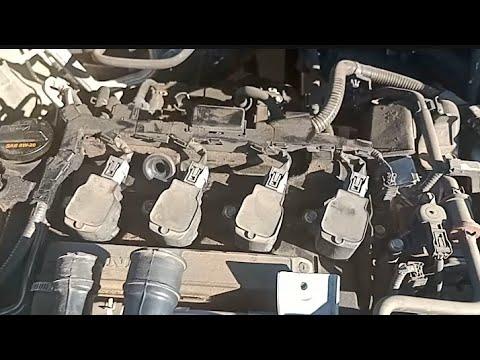
You’ll be removing the plastic engine cover, unplugging each ignition coil, and swapping in new ones on your CR-V. Each cylinder has its own ignition coil sitting on top of the spark plug.
This job helps fix misfires, rough running, poor fuel economy, and check-engine light codes related to ignition.
Difficulty Level: Beginner | Estimated Time: 1-1.5 hours
⚠️ Safety & Precautions
- ⚠️ Always work on a cold engine to avoid burns.
- ⚠️ Turn ignition OFF and remove the key before starting.
- ⚠️ Disconnect the negative battery cable to avoid accidental short circuits.
- ⚠️ Don’t pull on wires; always pull on connectors and coil bodies.
- ⚠️ Keep metal tools away from the battery positive terminal to prevent sparks.
- ⚠️ Work in a well-ventilated area; avoid open flames or smoking near the vehicle.
🔧 Required Tools
You'll need the following tools for this repair:
- 🛠️ 10mm socket
- 🛠️ 8mm socket
- 🛠️ 1/4" drive ratchet
- 🛠️ 1/4" drive extension (3"-6")
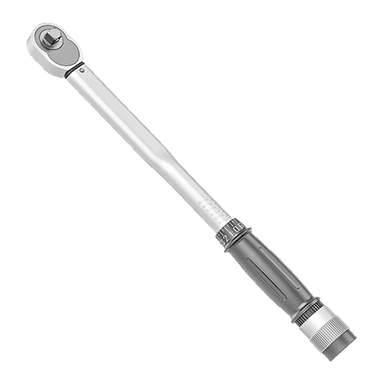
- 🛠️ Torque wrench (inch-lb or low-range ft-lb)
- 🛠️ Flat trim tool or plastic pry tool
- 🛠️ Small flathead screwdriver
- 🛠️ Needle-nose pliers
- 🛠️ Shop rag or clean cloth
- 🛠️ Fender cover or old towel
- 🛠️ Mechanic gloves
- 🛠️ Safety glasses
- 🛠️ OBD2 scan tool (basic)
🔩 Required Parts
HowToo sells all the parts you need for this repair:
- 🔩 Ignition coil set (for 1.5L turbo, 4 coils) - Qty: 1 set (replace all 4 recommended)
- 🔩 Dielectric grease (spark plug boot grease) - Qty: 1 small tube
- 🔩 Battery terminal protector spray - Qty: 1 (optional)
- 🔩 Shop towels - Qty: 1 pack
📋 Before You Begin
- Park your CR-V on level ground, shift to P, and set the parking brake.
- Open the hood and secure it with the hood prop rod.
- Note or take a photo of the engine bay so you remember hose and wire routing.
- Disconnect the negative battery terminal using a 10mm socket and move the cable aside so it can’t spring back.
- Keep nuts and bolts in a small container so you don’t lose them.
🔨 Step-by-Step Instructions
Follow these steps in order:
Step 1: Remove the plastic engine cover
- Lift off any decorative engine cover by pulling straight up; it’s usually held by rubber grommets.
- If your cover has a 10mm bolt, use the 10mm socket and 1/4" ratchet to remove it first.
- Set the engine cover aside in a safe place.
Step 2: Locate the ignition coils
- Look at the top of the engine; you will see four black ignition coils in a row, each with a wiring connector and one small bolt.
- Each coil sits directly over a spark plug.
Step 3: Disconnect the ignition coil electrical connectors
- An ignition coil connector is the plug that brings power and signals to the coil.
- On the first coil (cylinder 1, usually on the passenger side), use a small flathead screwdriver to gently lift the locking tab on the connector.
- With the tab lifted, pull the connector straight back with your fingers; don’t pull on the wires.
- Repeat this for all four coils, one at a time.
- If a connector is stuck, wiggle gently; don’t force it.
Step 4: Remove the ignition coil hold-down bolts
- Each coil has a small bolt (typically 10mm head) holding it to the valve cover.
- Use a 10mm socket, extension, and 1/4" drive ratchet to loosen and remove the bolt for the first coil.
- Place the bolt in your parts container.
- Repeat for the other three coils.
Step 5: Remove the ignition coils
- Grip the body of the coil and twist it gently left and right to break any seal.
- Pull the coil straight up and out of the spark plug tube.
- Inspect the coil boot (the rubber part) for oil, cracks, or burn marks.
- Repeat for all four coils, keeping note of their original positions in case you’re diagnosing a specific cylinder.
Step 6: Inspect the spark plug wells
- Look down into each spark plug hole with a light.
- If you see oil or a lot of dirt, carefully wipe around the opening with a shop rag to avoid dropping debris inside.
- If oil is present, valve cover gasket may need service later.
Step 7: Prepare and install the new ignition coils
- Apply a tiny amount of dielectric grease inside each new coil boot (the part that slides over the spark plug). This helps prevent moisture and sticking.
- Take the new coil for cylinder 1 and insert it straight down into the spark plug tube.
- Press gently until you feel it seat onto the spark plug.
- Align the bolt hole of the coil with the threaded hole in the valve cover.
- Repeat positioning for all four coils.
Step 8: Reinstall coil hold-down bolts and torque them
- Start the coil bolt for cylinder 1 by hand to avoid cross-threading.
- Use the 10mm socket, extension, and ratchet to snug the bolt down lightly.
- Once all four bolts are snug, use a torque wrench with the 10mm socket to tighten each bolt to 12 Nm (8.7 ft-lbs).
- Do not overtighten; the threads are in aluminum.
Step 9: Reconnect the ignition coil connectors
- Take the connector for cylinder 1 and push it straight onto the coil until you hear or feel a “click.”
- Gently tug to make sure it’s locked.
- Repeat for all four coils.
- Visually check that no connectors are half-seated or at an angle.
Step 10: Reinstall the engine cover
- Place the engine cover back over the engine, aligning the grommets with their mounting posts.
- Press down firmly until you feel it snap into place.
- If there was a bolt, reinstall it using the 10mm socket and snug it down. No specific torque is critical here; just firm, not forced.
Step 11: Reconnect the battery
- Reconnect the negative battery cable to the battery terminal.
- Use the 10mm socket and ratchet to tighten the clamp until it’s snug and doesn’t move by hand.
- Optionally spray a light coat of battery terminal protector on the terminal to reduce corrosion.
Step 12: Clear any stored codes (if present)
- Plug your OBD2 scan tool into the OBD2 port under the dashboard.
- Turn the ignition to ON (engine off) and follow the scan tool prompts to read and clear codes.
- If you had misfire codes (like P0301–P0304), confirm they are cleared.
✅ After Repair
- Start your CR-V and let it idle for a few minutes. It should run smoothly with no shaking.
- Watch the dashboard for any new warning lights (especially the check engine light).
- Lightly rev the engine a few times and listen for smooth response, no misfire pops.
- Take a short test drive, including some acceleration. Confirm there is no hesitation or loss of power.
- Re-check under the hood to ensure all connectors are fully seated and nothing is left loose.
💰 DIY vs Shop Cost
Shop Cost: $350-$550 (parts + labor)
DIY Cost: $120-$220 (parts only, all four coils)
You Save: $230-$330 by doing it yourself!
Shop labor rates typically run $100-$150/hour. This repair takes a shop approximately 0.7-1.0 hours.
🎯 Ready to get started?
HowToo makes it easy: same-day/2-day shipping on every part, plus all the tools and specialty tools you need! Check out the parts and tools sections above to add everything to your cart.