









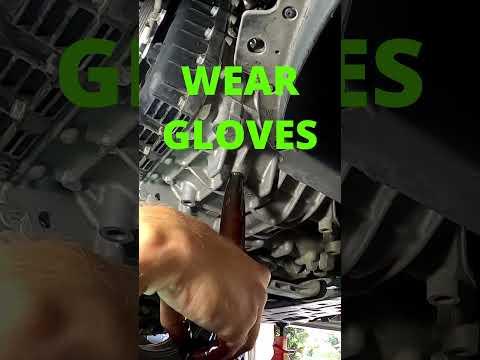







How to Change Automatic Transmission Fluid (Drain & Fill) on a 2021 Hyundai Tucson
Step-by-step DIY guide with required tools, Hyundai ATF SP-IV, fluid level setting, and torque specs
How to Change Automatic Transmission Fluid (Drain & Fill) on a 2021 Hyundai Tucson
Step-by-step DIY guide with required tools, Hyundai ATF SP-IV, fluid level setting, and torque specs


🔧 Tucson - Automatic Transmission Fluid Drain & Fill
On your Tucson, the safest DIY transmission service is usually a drain-and-fill (not a full “power flush”). You’ll drain the old fluid from the pan, then refill with the correct Hyundai-spec ATF and set the level correctly to help shifting and transmission life.
Difficulty Level: Intermediate | Estimated Time: 1.5-2.5 hours
⚠️ Safety & Precautions
- ⚠️ Work on a level surface and support the vehicle with jack stands before going underneath.
- ⚠️ Transmission fluid and exhaust parts can be hot; let the vehicle cool, then wear gloves and safety glasses.
- ⚠️ Keep the vehicle level when checking/finalizing fluid level; being tilted can cause under/overfill.
- ⚠️ Never crawl under a vehicle supported only by a jack.
- ⚠️ Battery disconnect is not required for this service.
🔧 Required Tools
You'll need the following tools for this repair:
- Floor jack (rated 3-ton minimum)
- Jack stands (rated 3-ton minimum)
- Wheel chocks
- Safety glasses
- Nitrile gloves
- Trim clip remover
- Ratchet
- 10mm socket
- Torque wrench (10-100 Nm range)
- Drain pan (10-quart minimum)
- Fluid transfer pump (hand pump) (specialty)
- Long funnel
- OBD2 scan tool with ATF temperature data (specialty)
- Clean rags
🔩 Required Parts
HowToo sells all the parts you need for this repair:
- Automatic transmission fluid (Hyundai ATF SP-IV or Hyundai-approved equivalent) - Qty: 4-5 quarts
- Transmission drain plug washer (crush washer) - Qty: 1
- Brake cleaner - Qty: 1
📋 Before You Begin
- Park on level ground, set the parking brake, and chock the rear wheels.
- Warm the transmission slightly with a 10-15 minute drive so the fluid drains well (not fully hot).
- Confirm you can refill before you drain: locate the fill point first (critical).
- A fluid transfer pump is a hand pump used to push new ATF into a higher fill hole.
- An OBD2 scan tool reads transmission fluid temperature so you don’t overfill/underfill.
🔨 Step-by-Step Instructions
Follow these steps in order:
Step 1: Lift and level the Tucson
- Use wheel chocks behind the rear tires.
- Use a floor jack to lift the front, then support with jack stands.
- If needed to keep it level, lift the rear with the floor jack and add jack stands.
- Level vehicle = correct fluid level.
Step 2: Remove the underbody splash shield (if equipped)
- Use a trim clip remover for plastic clips.
- Use a ratchet with 10mm socket to remove splash shield bolts.
- Set hardware aside in a small tray.
Step 3: Identify the drain plug and the fill point
- Place your drain pan under the transmission.
- Find the transmission drain plug at the bottom of the transmission case.
- Locate the fill point (one of these is used on this Tucson):
- Fill plug on the transmission case (side) that requires a fluid transfer pump, or
- Fill through the engine-bay dipstick/fill tube using a long funnel (some vehicles have a capped tube).
Step 4: Drain the old transmission fluid
- Use a ratchet to loosen and remove the drain plug (keep pressure on it until the last thread).
- Let it drain until it becomes a slow drip (typically 10-20 minutes).
- Clean the drain plug with clean rags and spray area lightly with brake cleaner.
- Install a new drain plug washer (crush washer).
Step 5: Reinstall and torque the drain plug
- Thread the drain plug in by hand first to avoid cross-threading.
- Use a torque wrench (10-100 Nm range) to tighten the drain plug: Torque to 39-49 Nm (29-36 ft-lbs).
- If it doesn’t thread smoothly, stop and realign.
Step 6: Measure what came out
- Use the markings on your drain pan (or pour into a marked container) and note how many quarts drained.
- This is your starting refill amount (usually about 3.5-4.5 quarts on a drain-and-fill).
Step 7: Refill with the correct ATF
- If using a case fill plug: use a fluid transfer pump (hand pump) (specialty) to pump in Hyundai ATF SP-IV.
- If using a dipstick/fill tube: use a long funnel to pour in Hyundai ATF SP-IV.
- Start by adding the same amount you drained, then stop.
Step 8: Circulate fluid and set the level
- Start the engine and keep your foot on the brake.
- Slowly move the shifter through each gear (P-R-N-D and manual modes if equipped), pausing 2-3 seconds in each, then return to Park.
- Connect the OBD2 scan tool with ATF temperature data (specialty) and monitor ATF temperature.
- When ATF is in the normal check range (commonly around 50-60°C / 122-140°F), verify level using your vehicle’s fill method:
- If your Tucson has a dipstick: check it with the engine idling in Park and top off in small amounts using the long funnel.
- If your Tucson is checked at the fill/level plug: remove the level/fill plug carefully and top off with the fluid transfer pump until fluid is at the correct level for that port, then reinstall and tighten.
Step 9: Reinstall the splash shield
- Reinstall the splash shield using the ratchet and 10mm socket.
- Reinstall clips using the trim clip remover to line them up, then press to seat.
Step 10: Lower the vehicle
- Use the floor jack to lift slightly, remove jack stands, then lower the vehicle slowly.
- Remove wheel chocks.
✅ After Repair
- Test drive 10-15 minutes and confirm smooth shifts and no flares/slips.
- Park on clean pavement and check for leaks under the transmission.
- Recheck level one more time using the same method/temperature window you used above.
- Dispose of old ATF at a recycling center/parts store that accepts waste fluids.
💰 DIY vs Shop Cost
Shop Cost: $220-$450 (parts + labor)
DIY Cost: $40-$90 (parts only)
You Save: $180-$360 by doing it yourself!
Shop labor rates vary but typically run $100-$150/hour. This repair takes a shop approximately 1.0-1.8 hours.
🎯 Ready to get started?
HowToo makes it easy: same-day/2-day shipping on every part, plus all the tools and specialty tools you need! Check out the parts and tools sections below to add everything to your cart.