












How to Replace the Front Door Lock Actuator on a 2022 Jeep Grand Cherokee WK
Step-by-step DIY latch/actuator replacement with tools, parts list, torque specs, safety tips, and testing guide
How to Replace the Front Door Lock Actuator on a 2022 Jeep Grand Cherokee WK
Step-by-step DIY latch/actuator replacement with tools, parts list, torque specs, safety tips, and testing guide


🔧 Grand Cherokee WK - Front Door Lock Actuator Replacement
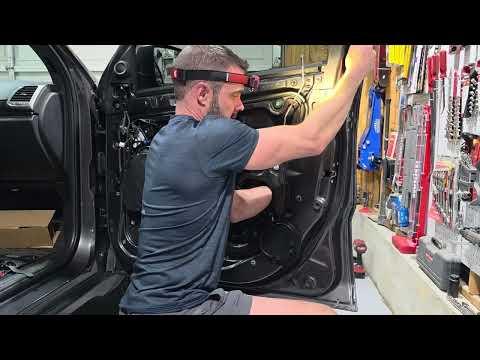
You’ll be removing the interior door panel, loosening the window glass track, then unbolting and swapping the door latch/lock actuator assembly. This part is integrated with the latch on your Jeep, so you replace the whole latch/actuator unit.
Difficulty Level: Intermediate | Estimated Time: 1.5–2.5 hours per door
⚠️ Safety & Precautions
- ⚠️ Your front doors have side airbags in the trim. Always disconnect the battery negative cable and wait at least 5 minutes before unplugging any connectors in the door.
- ⚠️ Work with the window fully up so the glass is secure and out of your way.
- ⚠️ Do not power the lock/unlock switches with the latch removed from the door; you can damage the cables or linkage.
- ⚠️ Support the door panel when it is loose so you do not pull on wiring for the window and mirror switches.
- ⚠️ Keep all screws and clips organized; missing fasteners can cause rattles and loose trim.
🔧 Required Tools
You'll need the following tools for this repair:
- Ratchet handle 1/4"
- Ratchet handle 3/8"
- 8mm socket
- 10mm socket
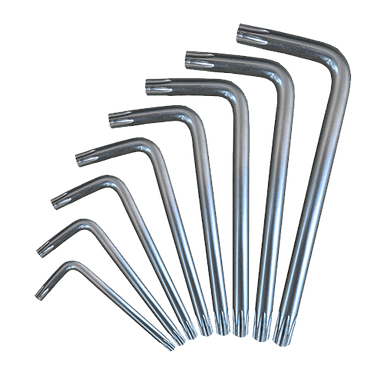
- T20 Torx screwdriver
- T25 Torx screwdriver
- T30 Torx bit with 3/8" drive
- Phillips #2 screwdriver
- Flathead screwdriver small (3–4 mm tip)
- Trim removal tool set (plastic)
- Panel clip removal tool
- Needle-nose pliers
- Torque wrench 3/8" drive (5–30 Nm range)
- Work light or headlamp
- Painter’s tape 25mm
- Marker pen or paint marker
- Safety glasses
- Mechanic gloves
🔩 Required Parts
HowToo sells all the parts you need for this repair:
- Front door latch and lock actuator assembly (side-specific) - Qty: 1
- Front door panel clips - Qty: 10–15 in case some break
- Door water shield butyl adhesive strips - Qty: 1 set
- Front exterior door handle gasket set - Qty: 1
- Multipurpose grease (white lithium) - Qty: small tube
- Electrical contact cleaner - Qty: 1 can
- Masking/painter’s tape - Qty: 1 roll
📋 Before You Begin
- Park the Jeep on level ground, shift to Park, engage the parking brake, and turn the ignition off.
- Lower all windows and then raise the one for the door you are working on fully up again. This resets and makes sure it’s fully closed.
- Open the front door you are working on fully and support it so it does not swing closed on you.
- Disconnect the battery:
- Open hood.
- Use the 10mm socket to loosen the negative (black) battery clamp.
- Remove the clamp from the terminal and secure it so it cannot spring back.
- Wait at least 5 minutes before unplugging any airbag or door wiring connectors.
- Have a clean towel or blanket ready to rest the door panel on once it is removed.
🔨 Step-by-Step Instructions
Follow these steps in order:
Step 1: Decide which front door (driver or passenger)
- These steps apply to both front doors; parts are side-specific (left/right). Make sure you have the correct actuator for the side you are working on.
- Lay out tools and parts before starting.
Step 2: Remove door panel trim screws and covers
- Use the plastic trim removal tool to gently pry off the small trim cover behind the inside door handle. Under it is a screw.
- Use the T20 Torx screwdriver to remove the screw behind the inside handle. Set the screw aside.
- At the lower grab handle/armrest, use the plastic trim tool to pop off the small trim cap that hides another screw.
- Use the T25 Torx screwdriver to remove the screw in the armrest area.
- Check the bottom edge of the door panel for any Phillips #2 screws and remove them if present (Jeep uses screws plus push clips).
Step 3: Release the door panel clips
- Starting at the bottom corner of the panel, slide the plastic trim tool between the panel and the metal door.
- Gently twist to pop the panel away; you will hear clips releasing.
- Work along the bottom and both sides using the panel clip removal tool where needed to pop each clip.
- Once all clips around the edges are free, lift the panel straight up to unhook it from the top window ledge.
- Lift, don’t pull straight out, to avoid damage.
Step 4: Disconnect wiring and inner handle cable
- Support the panel with one hand or rest the bottom on your knee/blanket.
- Unplug the door wiring connectors:
- Use the flathead screwdriver small to gently lift locking tabs on the window switch connector and any mirror/door lock switch connectors.
- Pull connectors straight out by the housings, not the wires.
- Disconnect the inside door handle cable:
- The cable has a plastic retainer clipped into the panel and a small metal ball at the end.
- Use the needle-nose pliers or fingers to unclip the plastic retainer from the panel.
- Rotate the cable to line up the slot and release the ball from the handle.
- Set the door panel aside on a clean surface.
Step 5: Remove or peel back the moisture barrier
- The clear or foam sheet on the metal door is the moisture barrier (also called a water shield). It keeps water out of the cabin.
- Gently peel back the barrier in the rear area of the door (where the latch is) using your hands.
- If the butyl adhesive is very sticky, use the plastic trim tool to help lift it without tearing.
- Peel back just enough to access the latch/actuator and cables. Stick the loose part to itself or tape it up with painter’s tape so it is out of your way.
Step 6: Remove the exterior handle access plug
- On the door edge (the side that latches to the body), locate the small round or rectangular plastic plug near the door handle area.
- Use the flathead screwdriver small to gently pry out this plug.
- Behind this is a Torx screw that retains part of the exterior handle assembly.
Step 7: Loosen the exterior handle retaining screw
- Insert the T30 Torx bit with 3/8" drive through the access hole.
- Turn the screw counterclockwise several turns to loosen it. Do not fully remove it; it is usually captive.
- While loosening, gently wiggle the small rear piece of the outer handle (the cap) with your other hand until it can slide out from the outside.
- Remove the handle cap from the outside of the door and set it aside.
Step 8: Remove or release the exterior door handle
- From the outside, pull the main part of the door handle slightly out and towards the rear to release it from the door.
- Some versions allow the handle to come completely free; others let it hang on a cable. Watch for a small cable going to the latch.
- If there is a cable, note how it is routed and clipped. Take a photo as a reference.
- Use the needle-nose pliers to gently unclip the cable end from the handle if needed.
Step 9: Mark and loosen the window glass channel (if needed)
- Near the latch area inside the door you will see a vertical metal channel or guide for the window glass.
- Use the marker pen to mark the current position of its bolts on the door (top and/or bottom). This keeps window alignment correct.
- Use the 10mm socket with ratchet to loosen (but not completely remove) the bolts holding this channel.
- Gently push the channel slightly aside to create space to pull the latch/actuator out later.
Step 10: Disconnect electrical connector from latch/actuator
- Locate the electrical connector going into the latch/actuator assembly near the door edge.
- Use the flathead screwdriver small to lift the connector lock tab if it has one.
- Pull the connector straight off. If it is dusty, spray a small amount of electrical contact cleaner on the plug and let it dry.
Step 11: Remove the latch/actuator mounting bolts
- At the door edge, identify the 3 Torx bolts around the latch.
- Use the T30 Torx bit with 3/8" drive and ratchet to remove these 3 bolts.
- Support the latch from inside the door with your other hand so it does not fall when the last bolt is removed.
- Factory spec for these bolts: Torque to 9–10 Nm (80–90 in-lbs) on reassembly.
Step 12: Detach inner handle cable and any rods from latch
- From inside the door, gently pull the latch/actuator towards the opening you created by moving the water barrier.
- Disconnect:
- The inner handle cable (similar ball and clip as at the interior handle).
- Any metal lock rods that go to the key cylinder or lock knob (if equipped).
- Use the needle-nose pliers to carefully open small plastic clips that hold cables/rods. Do not snap them.
- Note routing and attachment points or take another photo.
- Work the latch/actuator out through the large opening in the door. Rotate as needed to clear the window track and glass.
Step 13: Prepare and compare the new latch/actuator
- Place the old and new latch/actuator assemblies side by side on a clean surface.
- Make sure all mounting points, connectors, and cable/rod attachment spots match.
- Lightly lubricate moving latch surfaces with a small amount of multipurpose grease if they look dry. Do not get grease in the electrical connector.
Step 14: Install the new latch/actuator into the door
- Feed the new latch/actuator into the door cavity the same way the old one came out.
- Reconnect:
- Inner handle cable into its correct slot and clip the housing into place.
- Any lock rods back into their clips and guides.
- Copy exactly how the old one was connected.
- Line up the latch with the holes at the door edge.
- Install the 3 latch bolts by hand, then tighten with the T30 Torx bit and ratchet.
- Torque all 3 bolts evenly: Torque to 9–10 Nm (80–90 in-lbs).
Step 15: Reconnect electrical connector and window channel
- Plug the door harness connector back into the new latch/actuator until it clicks.
- Reposition the window glass channel to your alignment marks.
- Use the 10mm socket to tighten its bolts.
- Torque to 7–8 Nm (60–70 in-lbs).
Step 16: Reinstall exterior door handle and cap
- If you removed a cable from the outer handle, reconnect it now using the needle-nose pliers to seat the ball and clip.
- Insert the main exterior handle into the door, front end first, then swing the rear in so it engages the latch mechanism.
- Install the small rear handle cap on the outside.
- From the door edge, use the T30 Torx bit to tighten the handle retaining screw through the access hole until the cap is secure but do not over-tighten.
- Typical torque: 3–4 Nm (25–35 in-lbs).
- Snap the plastic access plug back into the door edge.
Step 17: Reattach the moisture barrier
- Carefully lower the moisture barrier back into its original position.
- Press the butyl adhesive firmly all the way around for a good seal. Add new butyl adhesive strips where the seal is weak or damaged.
- Make sure there are no gaps where water could run behind the barrier into the cabin.
Step 18: Reinstall the door panel
- Hold the panel close to the door and reconnect:
- All electrical connectors for window switches, mirror controls, and lock switches.
- Inside handle cable to the interior door handle (ball in, clip housing into the panel).
- Hook the top of the door panel over the window ledge first.
- Once the top is seated, line up the plastic clips with their holes.
- Use your palms to firmly press around the edges of the panel to snap all clips back in.
- Replace any broken clips with new ones before pushing the panel on.
Step 19: Reinstall trim screws and covers
- Use the T25 Torx screwdriver to reinstall the armrest screw. Torque to about 3–4 Nm (25–35 in-lbs).
- Use the T20 Torx screwdriver to reinstall the screw behind the interior handle. Torque to about 2–3 Nm (18–27 in-lbs).
- Reinstall any lower Phillips #2 screws.
- Press the small trim covers back over the screws until they click in.
Step 20: Reconnect battery and test operation
- Under the hood, reconnect the negative battery cable to the terminal.
- Use the 10mm socket to tighten the clamp securely.
- Torque to about 5–6 Nm (45–55 in-lbs).
- Close the hood.
- With the door open:
- Use the key fob to lock/unlock and listen for smooth actuator operation.
- Use the interior lock switch to lock/unlock.
- Pull the inside handle to confirm it opens the door in both locked/unlocked states as expected.
- From outside, check that the handle works and the door latches fully when closed.
- Test several times before moving to the other door.
✅ After Repair
- Start the engine and cycle the power windows up and down; if any window auto-up/down feature is lost, hold the switch up for a few seconds at the top to relearn.
- Use the key fob to lock and unlock all doors several times and watch that the replaced door always follows the others.
- Drive slowly and listen for rattles from the repaired door; if you hear any, a clip or screw may not be fully seated.
- Check for water leaks after the next car wash or rain by inspecting the door panel bottom and carpet for moisture.
💰 DIY vs Shop Cost
Shop Cost: $350–$550 (parts + labor)
DIY Cost: $120–$220 (parts only)
You Save: $230–$330 by doing it yourself!
Shop labor rates vary but typically run $100–$150/hour. This repair takes a shop approximately 1.5–2.0 hours per door.
🎯 Ready to get started?
HowToo makes it easy: same-day/2-day shipping on every part, plus all the tools and specialty tools you need! Check out the parts and tools sections above to add everything to your cart.