









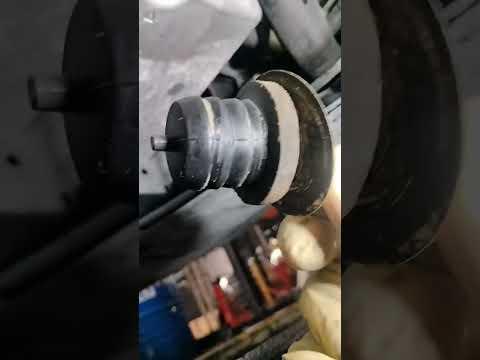







How to Change CVT Transmission Fluid on a 2018 Honda CR-V
Step-by-step DIY drain and fill guide with tools, parts list, torque specs, safety tips, and cost savings
How to Change CVT Transmission Fluid on a 2018 Honda CR-V
Step-by-step DIY drain and fill guide with tools, parts list, torque specs, safety tips, and cost savings


🔧 CR-V - CVT Transmission Fluid Change (Drain & Fill)
You’ll be doing a “drain and fill” on the CVT, which is how Honda designs fluid changes on this transmission. You’ll drain the old fluid from the bottom, then refill from the top with fresh Honda CVT fluid.
Difficulty Level: Intermediate | Estimated Time: 1–2 hours
⚠️ Safety & Precautions
- ⚠️ Always work on a cool engine and transmission; hot fluid can burn you.
- ⚠️ Support the CR-V on jack stands, never trust only a floor jack.
- ⚠️ Keep the CR-V as level as possible front-to-back and side-to-side for accurate fluid level.
- ⚠️ Wear safety glasses and nitrile gloves; transmission fluid is an irritant.
- ⚠️ Keep CVT fluid clean; do not let dirt, sand, or rags fibers fall into the fill opening.
- ⚠️ Do not “power flush” the CVT; Honda recommends only drain-and-fill for CVTs.
- Battery disconnection is not required for this job.
🔧 Required Tools
You'll need the following tools for this repair:
- 🧰 Floor jack (rated 3-ton minimum)
- 🧰 Jack stands (rated 3-ton, set of 4)
- 🧰 Wheel chocks
- 🧰 3/8" drive ratchet
- 🧰 3/8" drive torque wrench (10–80 ft-lb range)
- 🧰 3/8" drive extension (for drain plug)
- 🧰 17mm socket
- 🧰 10mm socket
- 🧰 Socket extension 6"
- 🧰 Flathead screwdriver (medium)
- 🧰 Long-neck fluid funnel (narrow tip)
- 🧰 Drain pan (at least 8-quart capacity)
- 🧰 Shop rags or paper towels
- 🧰 Plastic measuring jug (graduated in quarts/liters)
- 🧰 Work light or flashlight
- 🧰 Safety glasses
- 🧰 Nitrile or mechanic’s gloves
- 🧰 Small funnel for measuring jug
🔩 Required Parts
HowToo sells all the parts you need for this repair:
- 🔩 Honda HCF-2 CVT fluid - Qty: 4 quarts (use ~3–3.5 quarts, keep extra)
- 🔩 CVT drain plug crush washer - Qty: 1
- 🔩 Brake cleaner spray - Qty: 1
- 🔩 Disposable shop towels - Qty: 1 pack
📋 Before You Begin
- Park your CR-V on a flat, solid surface with plenty of room to work.
- Engage the parking brake and place wheel chocks behind the rear wheels.
- Warm up the transmission: drive for 10–15 minutes so the CVT fluid is warm, not hot. Warm drains more completely.
- Shut the engine off and let the vehicle sit for 5–10 minutes to slightly cool and stabilize fluid level.
- Gather all tools and parts so you’re not searching mid-job.
🔨 Step-by-Step Instructions
Follow these steps in order:
Step 1: Safely raise and support the CR-V
- Use the floor jack to lift the front of your CR-V at the front center jacking point (just behind the front bumper, on the subframe crossmember).
- Place jack stands under the left and right front pinch welds (reinforced seam under the doors).
- If possible, lift and support the rear as well so the CR-V sits level on four jack stands.
- Gently shake the body by hand to confirm the CR-V is stable before going underneath.
Step 2: Remove the front under-cover (splash shield)
- Locate the plastic splash shield under the engine/transmission area.
- Use a 10mm socket and socket extension to remove the bolts holding the shield.
- If there are plastic clips, gently pry the centers up using a flathead screwdriver and then pull them out.
- Lower the shield and set it aside, keeping bolts/clips together so you don’t lose them.
Step 3: Locate the CVT drain plug
- Slide under the front of the CR-V (wear safety glasses).
- The CVT is on the driver’s side of the engine bay, bolted to the engine.
- Look for a drain plug on the bottom of the transmission case. It typically accepts a 3/8" drive extension directly (square recess in the plug).
- Position the drain pan under the drain plug with plenty of room for fluid to splash.
Step 4: Drain the old CVT fluid
- Insert a 3/8" drive extension into the drain plug and attach the 3/8" drive ratchet.
- Carefully loosen the drain plug while keeping your other hand ready to steady the pan.
- Finish removing the plug by hand and let the fluid drain completely into the drain pan.
- Allow it to drip for at least 5–10 minutes until it slows to an occasional drip. Patience gives better fluid change.
- Inspect the drain plug: it may have a magnet with metal fuzz. Wipe it clean with a rag and a bit of brake cleaner spray.
Step 5: Measure the drained fluid
- Carefully pour the old fluid from the drain pan into the plastic measuring jug using the small funnel.
- Note exactly how much came out (in quarts or liters). You will refill with this same amount of fresh fluid.
- Matching volume helps avoid over/under fill.
Step 6: Reinstall the drain plug with new washer
- Install a new CVT drain plug crush washer onto the cleaned drain plug.
- Thread the plug in by hand to avoid cross-threading.
- Use the 3/8" drive extension and 3/8" drive torque wrench to tighten the plug.
- Torque to 49 Nm (36 ft-lbs).
- Wipe the area clean with a rag and a little brake cleaner spray so you can later spot leaks.
Step 7: Access the CVT fill port from above
- Lower the CR-V slightly if needed to comfortably work under the hood, but keep it safely supported on jack stands.
- Open the hood and secure it.
- On top of the transmission (toward the front/driver side), locate the CVT fill plug. It’s typically a 17mm-headed bolt on the transmission case.
- You may need to move the intake duct out of the way:
- Use a 10mm socket to loosen any bolts on the intake snorkel.
- Loosen any hose clamps with a flathead screwdriver.
- Lift the duct aside gently.
Step 8: Remove the CVT fill plug
- Use a 17mm socket and 3/8" drive ratchet to loosen and remove the fill plug.
- Set the plug somewhere clean so dirt does not stick to it.
- Place the long-neck fluid funnel snugly into the fill opening.
Step 9: Add new Honda HCF-2 CVT fluid
- Pour fresh Honda HCF-2 CVT fluid into the plastic measuring jug equal to the amount you drained in Step 5.
- Slowly pour that measured amount through the long-neck fluid funnel into the transmission fill opening. Go slowly to avoid spills and bubbles.
- If fluid backs up in the funnel, pause and let it settle, then continue.
Step 10: Reinstall the fill plug
- Remove the funnel and wipe around the fill opening with a clean rag.
- Inspect the fill plug sealing surface; clean if needed.
- Thread the fill plug in by hand first.
- Use the 17mm socket and 3/8" drive torque wrench to tighten the plug.
- Torque to 39 Nm (29 ft-lbs).
Step 11: Reinstall intake duct and splash shield
- Reposition the intake duct you moved earlier.
- Install bolts with the 10mm socket and tighten hose clamps with the flathead screwdriver.
- Under the CR-V, reinstall the front splash shield using the 10mm socket and socket extension for bolts and the flathead screwdriver for clips.
Step 12: Lower the CR-V and warm-check operation
- Use the floor jack to lift slightly, remove the jack stands, and gently lower the CR-V to the ground.
- Start the engine and let it idle with your foot on the brake.
- Move the shifter slowly through all positions: P → R → N → D → S → L (if equipped), pausing 2–3 seconds in each, then back to P.
- This circulates the new fluid through the CVT and clutches.
- Let the engine run for about 5–10 minutes, then shut it off and check under the car for any leaks around the drain and fill plugs.
Step 13: Optional – Fine-tune fluid level (more advanced)
- Honda’s precise level procedure uses fluid temperature and a check plug. For a DIYer, matching the drained volume is usually sufficient.
- If you notice unusual behavior (flaring RPM, slipping, or harsh engagement), have the level checked by a shop with the proper scan tool and procedures.
✅ After Repair
- Take a short test drive (10–15 minutes). Listen for unusual noises and feel for smooth acceleration without slipping or shudder.
- After the drive, park on level ground, keep the engine idling, and shift through all gears again slowly as before.
- Check under the CR-V for any fresh fluid leaks from the drain or fill plug areas.
- Dispose of the old CVT fluid at a recycling center or parts store; do not pour it on the ground or into drains.
- Make a note of the mileage and date so you know when the next CVT fluid service is due.
💰 DIY vs Shop Cost
Shop Cost: $220–$320 (parts + labor)
DIY Cost: $70–$120 (parts only)
You Save: $150–$250 by doing it yourself!
Shop labor rates typically run $100–$150/hour. This repair takes a shop approximately 1.0–1.5 hours.
🎯 Ready to get started?
HowToo makes it easy: same-day/2-day shipping on every part, plus all the tools and specialty tools you need! Check out the parts and tools sections above to add everything to your cart.