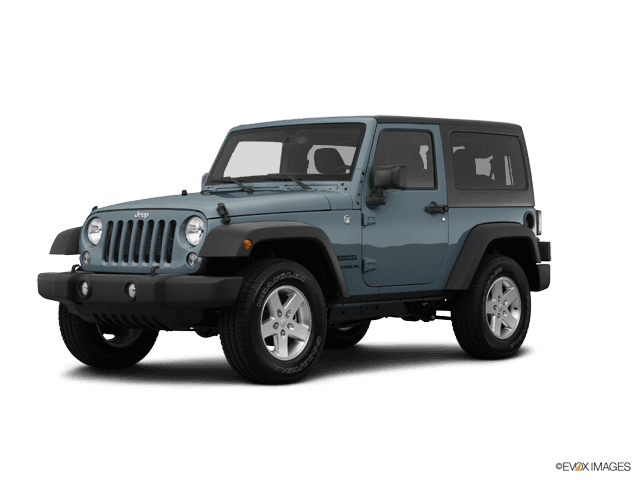









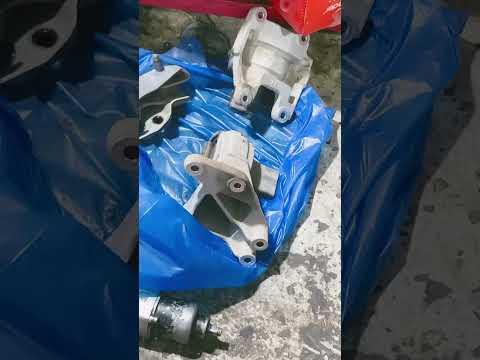







How to Replace Engine Mounts on a 2015 Jeep Wrangler (Step-by-Step DIY Guide)
Tools, parts, safety tips, and torque specs to eliminate clunks, vibration, and engine movement
How to Replace Engine Mounts on a 2015 Jeep Wrangler (Step-by-Step DIY Guide)
Tools, parts, safety tips, and torque specs to eliminate clunks, vibration, and engine movement


🔧 Wrangler - Engine Mount Replacement
Worn engine mounts let the engine lift and twist, which can cause clunks, vibration, and shifting issues—especially with a manual transmission. You’ll support the engine safely, remove one mount at a time, and install the new mounts without letting the engine move too far.
Difficulty Level: Advanced | Estimated Time: 3-6 hours
Assumption: torque specs below are typical for your Wrangler; verify with factory service info if available.
⚠️ Safety & Precautions
- ⚠️ Support the Jeep on jack stands on level ground; never rely on a jack alone.
- ⚠️ Support the engine before loosening any mount hardware; an unsupported engine can drop and pinch wiring/hoses.
- ⚠️ Keep hands clear between the mount and brackets while jacking; mounts can shift suddenly.
- ⚠️ Let the exhaust cool completely; the pipes and catalytic converters can burn you.
- ⚠️ If you remove the starter power cable cover or touch main power wiring, disconnect negative battery terminal first.
🔧 Required Tools
You'll need the following tools for this repair:
- Floor jack (rated 3-ton minimum)
- Jack stands (rated 3-ton minimum)
- Wheel chocks
- Safety glasses
- Mechanic gloves
- Wood block (2x6 or 2x8)
- Socket set: 13mm, 15mm, 16mm, 18mm
- Wrench set: 15mm, 16mm, 18mm
- Ratchet (3/8")
- Ratchet (1/2")
- Breaker bar (1/2")
- Extensions (3", 6", 12")
- Universal joint adapter
- Torque wrench (10-200 ft-lbs)
- Trim clip tool
- Flashlight
- Penetrating oil
🔩 Required Parts
HowToo sells all the parts you need for this repair:
- Right engine mount (passenger side) - Qty: 1
- Left engine mount (driver side) - Qty: 1
- Engine mount hardware kit - Qty: 1
📋 Before You Begin
- Park on level ground, put the transmission in 1st gear, set the parking brake, and chock the rear wheels.
- Spray penetrating oil on visible engine-mount nuts/bolts and let it soak 10-15 minutes.
- Plan to replace one mount at a time so the engine stays aligned.
- Set up your engine support: place a wood block on a floor jack saddle; this spreads the load and helps protect the oil pan.
🔨 Step-by-Step Instructions
Follow these steps in order:
Step 1: Raise and support the Jeep
- Use a floor jack (rated 3-ton minimum) to lift the front.
- Set the frame securely on jack stands (rated 3-ton minimum) and gently lower the Jeep onto them.
- Leave the floor jack available for engine support.
Step 2: Remove the front skid plate (if equipped)
- Use a 18mm socket with a breaker bar (1/2") to remove skid-plate bolts.
- Support the plate with one hand while removing the last bolts, then lower it carefully.
Step 3: Support the engine
- Position the floor jack (rated 3-ton minimum) under the oil pan with the wood block (2x6 or 2x8) between the jack and pan.
- Jack up slowly until the wood block just contacts and lightly supports the engine.
- Do not lift the Jeep off stands.
Step 4: Replace the passenger-side engine mount
- Locate the passenger-side mount between the engine bracket and frame bracket using a flashlight.
- Remove the mount’s through-bolt/nut:
- Use an 18mm socket and 18mm wrench (one side holds the bolt, the other turns the nut).
- If the bolt binds, slightly raise/lower the engine with the floor jack to relieve tension.
- Remove the mount-to-engine bracket fasteners:
- Use a 15mm socket with extensions (6", 12") and a universal joint adapter as needed.
- Remove the mount-to-frame fasteners:
- Use a 15mm socket or 16mm socket (varies by hardware).
- Work the mount out:
- Raise the engine slightly with the floor jack to create clearance, then pull the mount out by hand.
- Install the new passenger-side mount:
- Position the new mount in place by hand.
- Start all bolts/nuts by hand first to avoid cross-threading.
- Snug fasteners with a ratchet (3/8") only (do not final-torque yet).
- Align and install the through-bolt:
- Use the floor jack to raise/lower the engine until the bolt slides through smoothly.
- Final torque passenger-side fasteners with a torque wrench (10-200 ft-lbs):
- Through-bolt/nut: Torque to 108 Nm (80 ft-lbs)
- Mount-to-engine bracket bolts: Torque to 61 Nm (45 ft-lbs)
- Mount-to-frame bolts/nuts: Torque to 61 Nm (45 ft-lbs)
Step 5: Replace the driver-side engine mount
- Repeat the same process on the driver side using a flashlight.
- Remove the through-bolt/nut with an 18mm socket and 18mm wrench.
- Remove mount fasteners with a 15mm socket and extensions (3", 6", 12"); use a universal joint adapter if access is tight.
- Raise/lower the engine slightly with the floor jack to relieve bind and line up the mount holes.
- Final torque driver-side fasteners with a torque wrench (10-200 ft-lbs):
- Through-bolt/nut: Torque to 108 Nm (80 ft-lbs)
- Mount-to-engine bracket bolts: Torque to 61 Nm (45 ft-lbs)
- Mount-to-frame bolts/nuts: Torque to 61 Nm (45 ft-lbs)
Step 6: Reinstall skid plate
- Lift the skid plate into position and start all bolts by hand.
- Tighten with an 18mm socket and final torque with a torque wrench (10-200 ft-lbs): Torque to 75 Nm (55 ft-lbs)
Step 7: Lower the engine and Jeep
- Slowly lower the engine support using the floor jack until the engine rests fully on the new mounts.
- Raise the Jeep slightly with the floor jack, remove the jack stands, then lower to the ground.
✅ After Repair
- Start the engine and let it idle; listen for any new clunks or rattles.
- With the hood open, lightly blip the throttle in neutral and watch for excessive engine lift; a small amount is normal.
- Test drive and check for vibration under acceleration and on decel.
- Re-check all visible mount fasteners for tightness after the first drive.
💰 DIY vs Shop Cost
Shop Cost: $600-$1,200 (parts + labor)
DIY Cost: $160-$450 (parts only)
You Save: $440-$750 by doing it yourself!
Shop labor rates vary but typically run $100-$150/hour. This repair takes a shop approximately 3-6 hours.
🎯 Ready to get started?
HowToo makes it easy: same-day/2-day shipping on every part, plus all the tools and specialty tools you need! Check out the parts and tools sections below to add everything to your cart.