













How to Replace Rear Door Window Regulator on a 2016 Jeep Wrangler (Step-by-Step)
Tools, parts, safety tips, and torque specs to remove the door panel and install a new regulator/motor
How to Replace Rear Door Window Regulator on a 2016 Jeep Wrangler (Step-by-Step)
Tools, parts, safety tips, and torque specs to remove the door panel and install a new regulator/motor


🔧 Wrangler - Rear Window Regulator Replacement
The rear window regulator is the mechanism that raises and lowers the rear door glass. If the window won’t move, moves crooked, or you hear grinding/clicking, the regulator (and sometimes the motor) is usually worn or broken and needs replacement.
Difficulty Level: Intermediate | Estimated Time: 1.5-3.0 hours (per rear door)
⚠️ Safety & Precautions
- ⚠️ Disconnect the negative battery cable before working inside the door to prevent accidental window movement.
- ⚠️ Support the window glass with tape or wedges before unbolting it from the regulator so it can’t drop.
- ⚠️ Wear gloves—inner door metal edges are sharp.
- ⚠️ Keep fingers out of the regulator “scissor/cable” path while testing.
🔧 Required Tools
You'll need the following tools for this repair:
- Safety glasses
- Mechanic gloves
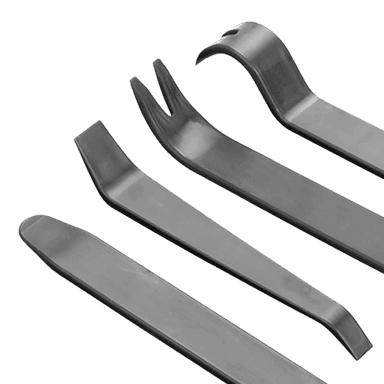
- Trim clip remover tool
- Plastic pry tool set
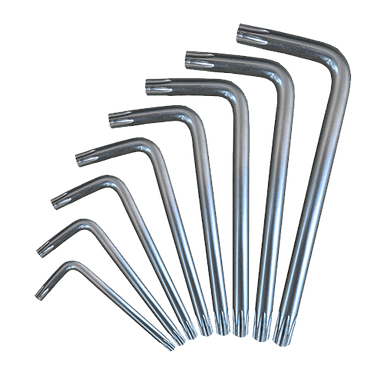
- Torx T20 screwdriver
- Torx T30 screwdriver
- Phillips #2 screwdriver
- 10mm socket
- 1/4" drive ratchet
- 6" extension, 1/4" drive
- Pick tool
- Painter's tape, 1.5" wide
- Magnetic pickup tool
- Torque wrench, 1/4" drive (20–200 in-lbs range)
- Flashlight
🔩 Required Parts
HowToo sells all the parts you need for this repair:
- Rear door window regulator assembly - Qty: 1
- Rear door window regulator motor - Qty: 1 (if not included with regulator)
- Door panel retainer clip set - Qty: 1 (recommended)
- Butyl tape (door vapor barrier adhesive) - Qty: 1 (recommended)
📋 Before You Begin
- 🅿️ Park on level ground, key off, and keep the doors fully open for working room.
- 🔋 Disconnect the negative battery cable using a 10mm socket.
- 🧼 Have a clean surface ready to set the door panel and screws (they’re easy to lose).
🔨 Step-by-Step Instructions
Follow these steps in order:
Step 1: Remove the rear door interior trim panel
- Use a plastic pry tool set to gently pop off any small trim covers around the interior handle/pull (if equipped).
- Remove door-panel screws using a Torx T20 screwdriver and/or Phillips #2 screwdriver (screw locations commonly include the pull handle and lower edge of the panel).
- Use a trim clip remover tool to release the plastic push-clips around the panel edge. (A trim clip remover is a fork-shaped tool that pops clips without tearing the panel.)
- Lift the door panel upward to unhook it from the window ledge.
- Disconnect electrical connectors (window switch and/or courtesy light) using a pick tool to release locking tabs if needed.
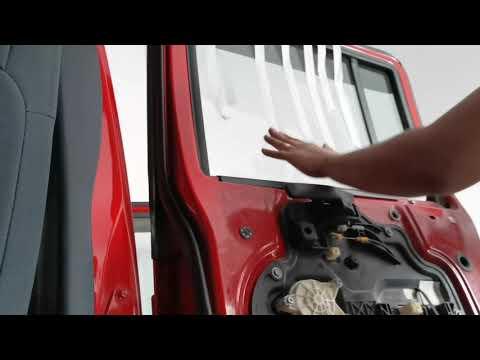
Step 2: Remove the vapor barrier (water shield)
- Peel the vapor barrier back carefully by hand; use a plastic pry tool set if the butyl adhesive is stubborn.
- Don’t tear it—water leaks start here.
Step 3: Position and secure the glass
- Reconnect the window switch temporarily if needed to move the glass until the regulator-to-glass fasteners are visible through the access holes.
- Disconnect the switch again before unbolting anything.
- Use painter's tape, 1.5" wide to tape the glass to the door frame (2–3 long strips) so the glass cannot fall.
Step 4: Disconnect the glass from the regulator
- Through the door access openings, remove the glass clamp/retainer fasteners using a 10mm socket with a 1/4" drive ratchet and 6" extension.
- Once loose, make sure the glass is still firmly held by the painter's tape.
- Torque to 9 N·m (80 in-lbs) during reassembly (glass-to-regulator fasteners).
Step 5: Unplug and remove the regulator (and motor if separate)
- Unplug the window motor connector(s) using a pick tool as needed.
- Remove the regulator mounting bolts using a 10mm socket with a 1/4" drive ratchet and 6" extension.
- Remove any motor fasteners (if your replacement regulator does not include a motor) using a Torx T30 screwdriver.
- Carefully maneuver the regulator assembly out through the main door opening. Use a flashlight to avoid snagging cables.
- Torque to 9 N·m (80 in-lbs) during reassembly (regulator-to-door bolts).
Step 6: Install the new regulator
- Slide the new regulator into the door the same way the old one came out.
- Start all mounting bolts by hand first to prevent cross-threading, then tighten with a 10mm socket.
- If transferring the motor, install it using a Torx T30 screwdriver and tighten evenly in a crisscross pattern.
- Torque to 9 N·m (80 in-lbs) for regulator mounting bolts.
Step 7: Reattach the glass and verify smooth operation
- Lower or raise the regulator carriage as needed (briefly reconnect the switch) so the glass clamp points line up.
- Attach the glass to the regulator using a 10mm socket, then tighten evenly.
- Remove the painter's tape, 1.5" wide.
- Reconnect the window switch and test the window travel up/down while watching for tilt or binding.
- Stop immediately if it clicks or twists.
Step 8: Reinstall the vapor barrier and door panel
- Re-stick the vapor barrier; add butyl tape where the original adhesive won’t reseal.
- Reconnect all electrical connectors.
- Hang the door panel on the top lip first, then press the clips in around the edges by hand.
- Reinstall all screws using a Torx T20 screwdriver and/or Phillips #2 screwdriver.
- If any clips stayed in the door, pull them out with a trim clip remover tool and reinstall them into the panel before refitting.
✅ After Repair
- 🔋 Reconnect the negative battery cable using a 10mm socket.
- 🪟 Cycle the rear window fully down and fully up 5–10 times to confirm smooth movement and proper sealing at the top.
- 💧 Check the vapor barrier seal: after a car wash/rain, verify the rear carpet stays dry.
- 🔊 Listen for rattles; if present, re-check door-panel clips and fasteners.
💰 DIY vs Shop Cost
Shop Cost: $350-$750 (parts + labor, per rear door)
DIY Cost: $120-$320 (parts only, per rear door)
You Save: $230-$430 by doing it yourself!
Shop labor rates vary but typically run $100-$150/hour. This repair takes a shop approximately 1.5-3.0 hours.
🎯 Ready to get started?
HowToo makes it easy: same-day/2-day shipping on every part, plus all the tools and specialty tools you need! Check out the parts and tools sections below to add everything to your cart.