









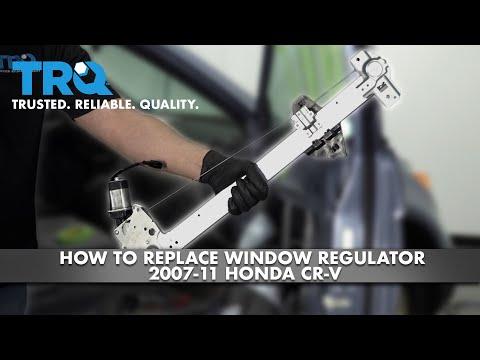




How to Replace a Front Power Window Regulator on a 2011 Honda CR-V
Step-by-step door panel removal, tools/parts list, safety tips, and key torque specs
How to Replace a Front Power Window Regulator on a 2011 Honda CR-V
Step-by-step door panel removal, tools/parts list, safety tips, and key torque specs


🔧 CR-V - Front Window Regulator Replacement
Replacing the front window regulator fixes a window that’s stuck, tilts, grinds, or drops inside the door. You’ll remove the door panel, support the glass, swap the regulator (and possibly the motor), then test smooth operation.
Difficulty Level: Intermediate | Estimated Time: 1.5-3.0 hours (per door)
Quick questions (so I match your parts and steps): Which front window are you doing (driver or passenger)? And are you replacing regulator only or regulator + motor assembly?
⚠️ Safety & Precautions
- ⚠️ Keep fingers clear of the scissor/cable mechanism; it can pinch hard.
- ⚠️ Support the glass with tape before unbolting it, so it doesn’t drop.
- ⚠️ Turn the ignition OFF and remove the key before unplugging door wiring.
- ⚠️ If your door has any yellow SRS connectors (airbag-related), do not probe them; disconnect the battery negative first.
- 🔋 Recommended: disconnect the battery negative cable if you’ll have the switch unplugged and keys nearby.
🔧 Required Tools
You'll need the following tools for this repair:
- Safety glasses
- Mechanic gloves
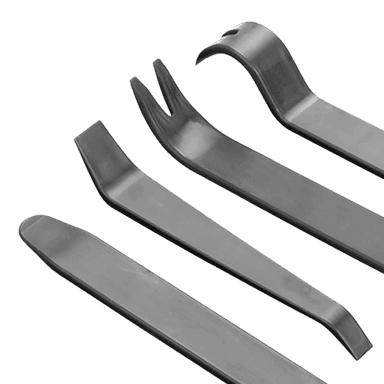
- Trim panel removal tool
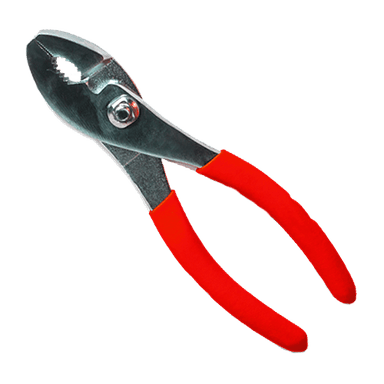
- Panel clip pliers
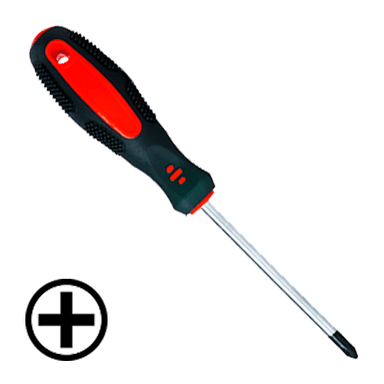
- Phillips #2 screwdriver
- Small flat-blade screwdriver
- 8mm socket
- 10mm socket
- 1/4" drive ratchet
- 3" extension (1/4" drive)
- Torque wrench (in-lb/ft-lb capable)
- Needle-nose pliers
- Painter’s tape (1"-2" wide)
- Work light
🔩 Required Parts
HowToo sells all the parts you need for this repair:
- Front window regulator - Qty: 1
- Front window motor - Qty: 1 (only if replacing motor too)
- Door panel retainer clips - Qty: 6-10 (as needed)
- Weatherstrip adhesive / butyl tape (vapor barrier sealer) - Qty: 1 (as needed)
- White lithium grease (spray or paste) - Qty: 1 (as needed)
📋 Before You Begin
- Park on level ground and turn ignition OFF.
- Open the front door fully for working room.
- If the window still moves: lower the glass until you can see the glass-to-regulator bolts through the access holes (usually about halfway down).
- If disconnecting the battery: use a 10mm socket to remove the negative terminal and isolate it so it can’t spring back.
🔨 Step-by-Step Instructions
Follow these steps in order:
Step 1: Remove the trim pieces and door pull screw(s)
- Use a small flat-blade screwdriver to gently pop the small trim cover(s) at the interior door handle area and/or door pull pocket.
- Remove the exposed screw(s) using a Phillips #2 screwdriver (some screws may be 8mm; use an 8mm socket if needed).
- Tip: Put screws in a cup right away.
Step 2: Remove the power window switch panel
- Use a trim panel removal tool to pry up the switch panel from the armrest.
- Unplug the electrical connector(s) by pressing the lock tab and pulling straight out (use needle-nose pliers only if needed, gently).
Step 3: Remove the door panel
- Starting at the bottom edge, use a trim panel removal tool or panel clip pliers to pop the door panel clips free.
- Lift the entire panel straight upward to unhook it from the top window ledge.
- Disconnect any remaining connectors (courtesy light, etc.).
- If equipped with a cable for the inside handle: unclip it carefully (a cable is a mechanical wire with an end “ball” that hooks into the handle).
Step 4: Peel back the vapor barrier
- Carefully peel the plastic moisture barrier back far enough to access the regulator and glass bolts.
- Use a work light so you can see through the service holes.
- Tip: Don’t tear it; it prevents water leaks.
Step 5: Support the glass
- If the glass is up, place wide strips of painter’s tape over the top of the door frame and onto the outside of the glass to hold it.
- If the glass is down or loose, raise it by hand to the fully-up position, then tape it securely.
Step 6: Unbolt the glass from the regulator
- Line up the regulator’s glass clamps/bolts with the access holes (you may need to temporarily plug the window switch back in and key ON to move it; then key OFF again).
- Use a 10mm socket with a 1/4" drive ratchet and 3" extension to remove the glass mounting bolts.
- Once unbolted, push the glass fully up by hand and add more painter’s tape to secure it.
- Torque to 10 N·m (7 ft-lbs)
Step 7: Unplug the window motor (if separate)
- Unplug the motor connector from inside the door by pressing the lock tab and pulling straight out.
Step 8: Remove the regulator (and motor if replacing as an assembly)
- Use a 10mm socket and 1/4" drive ratchet to remove the regulator mounting bolts.
- Carefully maneuver the regulator out through the large service opening.
- Torque to 9 N·m (80 in-lbs)
Step 9: Swap the motor onto the new regulator (only if reusing your motor)
- Place the regulator on a bench/floor.
- Use a 10mm socket to remove the motor bolts and transfer the motor to the new regulator.
- Make sure the motor gear seats flat before tightening.
- Torque to 9 N·m (80 in-lbs)
Step 10: Install the new regulator
- Slide the regulator into the door and loosely start all bolts by hand (use a 10mm socket).
- Tighten the regulator mounting bolts evenly using a torque wrench.
- Torque to 9 N·m (80 in-lbs)
- Plug the motor electrical connector back in.
Step 11: Reattach the glass to the regulator
- Remove some tape so the glass can drop slightly into position.
- Lower the glass carefully into the regulator clamps/holes.
- Install the glass mounting bolts using a 10mm socket, then tighten with a torque wrench.
- Torque to 10 N·m (7 ft-lbs)
Step 12: Function test before reassembly
- Temporarily plug in the window switch (leave the panel off).
- Turn key ON and run the window up and down slowly while watching the track.
- If it binds or tilts: stop and check that the glass is seated correctly in the run channels.
- Turn key OFF and unplug the switch again for reassembly.
Step 13: Lubricate the window channels lightly
- Apply a light coat of white lithium grease to the regulator sliding surfaces (not the glass).
- Use a clean rag (with mechanic gloves) to wipe off excess.
- Tip: Too much grease attracts dirt.
Step 14: Reinstall the vapor barrier and door panel
- Press the vapor barrier back onto the sticky butyl; add butyl tape if it no longer seals.
- Reconnect all electrical connectors.
- Hang the door panel on the top ledge first, then press the clips in around the edges by hand.
- Reinstall screws with a Phillips #2 screwdriver (or 8mm socket if applicable).
- Snap trim covers back in using the trim panel removal tool (gently press by hand to finish).
✅ After Repair
- Turn key ON and run the window fully down, then fully up several times.
- Listen for clicking or popping; if you hear it, recheck bolt tightness and glass alignment.
- Check that the door panel is fully clipped in (no gaps) and the vapor barrier is sealed (prevents water leaks).
- If you disconnected the battery, reset the clock and radio presets if needed.
💰 DIY vs Shop Cost
Shop Cost: $350-$750 (parts + labor, per front door)
DIY Cost: $80-$250 (parts only, per front door)
You Save: $270-$500 by doing it yourself!
Shop labor rates vary but typically run $100-$150/hour. This repair takes a shop approximately 1.5-3.0 hours.
🎯 Ready to get started?
HowToo makes it easy: same-day/2-day shipping on every part, plus all the tools and specialty tools you need! Check out the parts and tools sections below to add everything to your cart.